Hey fellow tech explorers,
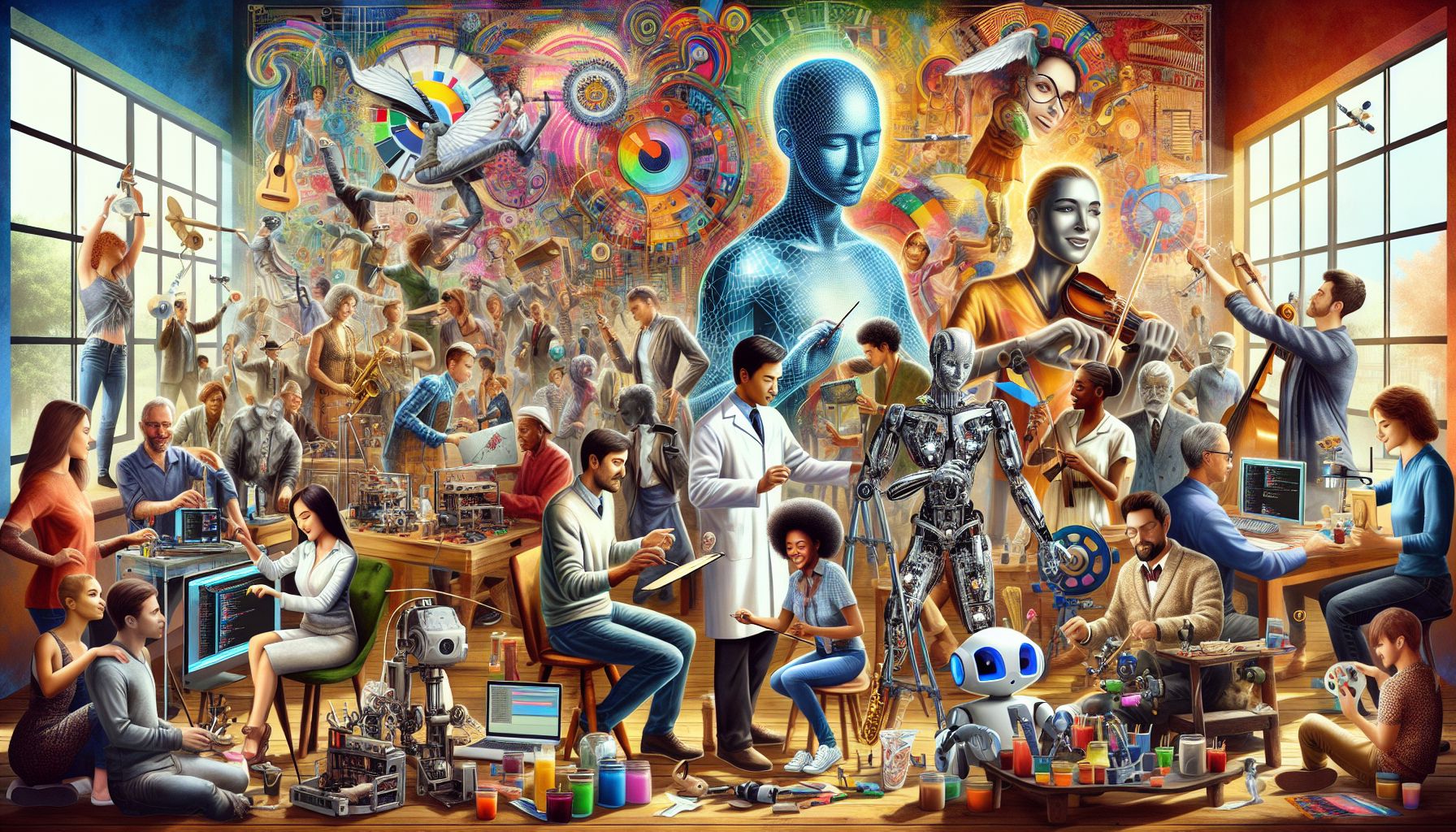
Ever stare at the cloudless sky and wonder if the future’s just a simulation of reality cause today’s tech feels like magic? Yep, me too, especially when I look at what’s happening with Artificial Intelligence (AI). Now, hold your horses; I know the term “AI” has been thrown around like Frisbees at a startup office picnic, but today, we’re gonna chat about something really extraordinary that’s happening in this world. Think of it as the renaissance artists built with circuit boards and deep learning instead of brushes and canvases.
The Craftshop of Virtual Thinkers
Artificial Intelligence, in its current form, is like a packed craftshop where each piece of tech you open could change our lives in really weird ways. I’ve been elbow-deep exploring setups like OpenAI’s ChatGPT, and it’s wild how a few lines of code can actually chat with your brain and whip up essays, poetry, and even love letters. Really though, who needs Tinder when your AI’s got game? (Kidding, don’t dump your date plans, sort out those commitment issues like an adult).
Cool New Kicks: Advanced AI Models
Let’s break away from dingy basements and pizza parties. AI applications are going mainstream, struttin’ their stuff down Wall Street. These tech maestros aren’t just good at Uncle Bob-level small talk anymore; they’re everywhere. OpenAI with its breakthrough language models, NVIDIA storming the visual realms and Google’s aces up the Quantum sleeves are visions of reality that redefine speed, learning, and adaptability.
Advanced Language Models are being improved every day, breaking into schools to tutor us, within design studios helping sculptors chalk out the next visionary sculpture. Basically doing everything short of picking a killer prison-break tune. This isn’t just progress; it’s watching technology grow something that feels almost human, until it becomes just another buzzword. Whoops!
Machine Learning Gets Real
Look, I’m gonna level with you here. Machine Learning is AI’s practical cousin that actually gets stuff done. It finds patterns in the chaos we call data and makes sense of it all. The interconnected systems work together, building these complex networks based on deep learning that can recognize faces, predict weather, or recommend your next Netflix binge.
Engineers are constantly fine-tuning these systems, fighting bugs and glitches to make AI more reliable. It’s fascinating work, but let me spare you the technical jargon that makes your eyes glaze over. The short version? These systems learn from massive amounts of data and get better at their jobs over time. Pretty straightforward when you strip away all the academic complexity.