The Changing Geography of Literary Success
The modern literary world looks like one massive translation project, where stories cross borders not just through language but through completely new ways of being found and sold. Social media platforms now drive more than a fifth of fiction purchases at major publishing houses. This changes everything about how readers find books. It’s more than marketing evolution. It shows how stories themselves move through culture differently now, similar to how translation carries meaning across languages.

It works just like when a novel travels from its original language into another culture. Translators have to balance staying true to the source with making it readable. Publishers now face the same dilemma: keeping literary integrity while adapting to platforms where fifteen-second videos decide a book’s fate. The Literary Hub book culture world increasingly grapples with this tension, as serious literature fights for attention alongside genre fiction and popular reads.
This democratized literary discovery changes how we think about the novel’s place in culture. When readers discover Clarice Lispector through the same algorithm that suggests romance novels, the line between high and popular literature blurs in ways that seemed impossible ten years ago. Translation becomes about moving between languages, but also between different cultural spaces and what readers expect.
The Economics of Literary Risk in a Consolidated Market
Publishing houses have gotten much more cautious about debut literary fiction. First-time novelists face smaller advance offers as industry consolidation makes everyone less willing to take risks. This economic reality mirrors what happens with literary translation, where publishers have always seen translated works as risky investments. Both debut literary fiction and translated literature sit in similar spots in the publishing world, products that need nurturing and patience rather than quick commercial returns.
Here’s where it gets weird: in genre fiction, self-published authors often out-earn their traditionally published peers. This happens partly because genre fiction has a clearer relationship with what readers want. Genre works function like skilled translations of familiar story patterns, delivering recognizable pleasures in new packages. Literary fiction, though, reaches for the untranslatable, experiences that resist easy labels or quick understanding.
Publishers face a basic translation problem: how to explain the value of literary ambition to a market increasingly run by algorithmic recommendations and instant gratification. Publishers Weekly industry news coverage shows an industry wrestling with questions that go way beyond business strategy into the core of how literary value gets created and recognized.
Retail Renaissance and the Physical Book’s Stubborn Appeal
The bookstore world has seen an unexpected comeback. Major chains are adding dozens of new locations after years of predicted doom. This revival reveals something deep about the relationship between physical books and literary culture that resists digital translation. Browsing a bookstore involves serendipitous discovery that algorithms can’t fully copy, much like reading literature in its original language provides layers of meaning that even excellent translation can’t completely preserve.
The physical book’s survival points to literature’s embodied nature. Novels exist not just as information to transmit but as objects that carry cultural weight through their physical presence. Finding a translated work on a bookstore shelf feels different from discovering it through a digital recommendation. The physical book allows for the patient, sustained attention that literary fiction demands, while digital platforms often favor rapid consumption that works against literature’s deeper rhythms.
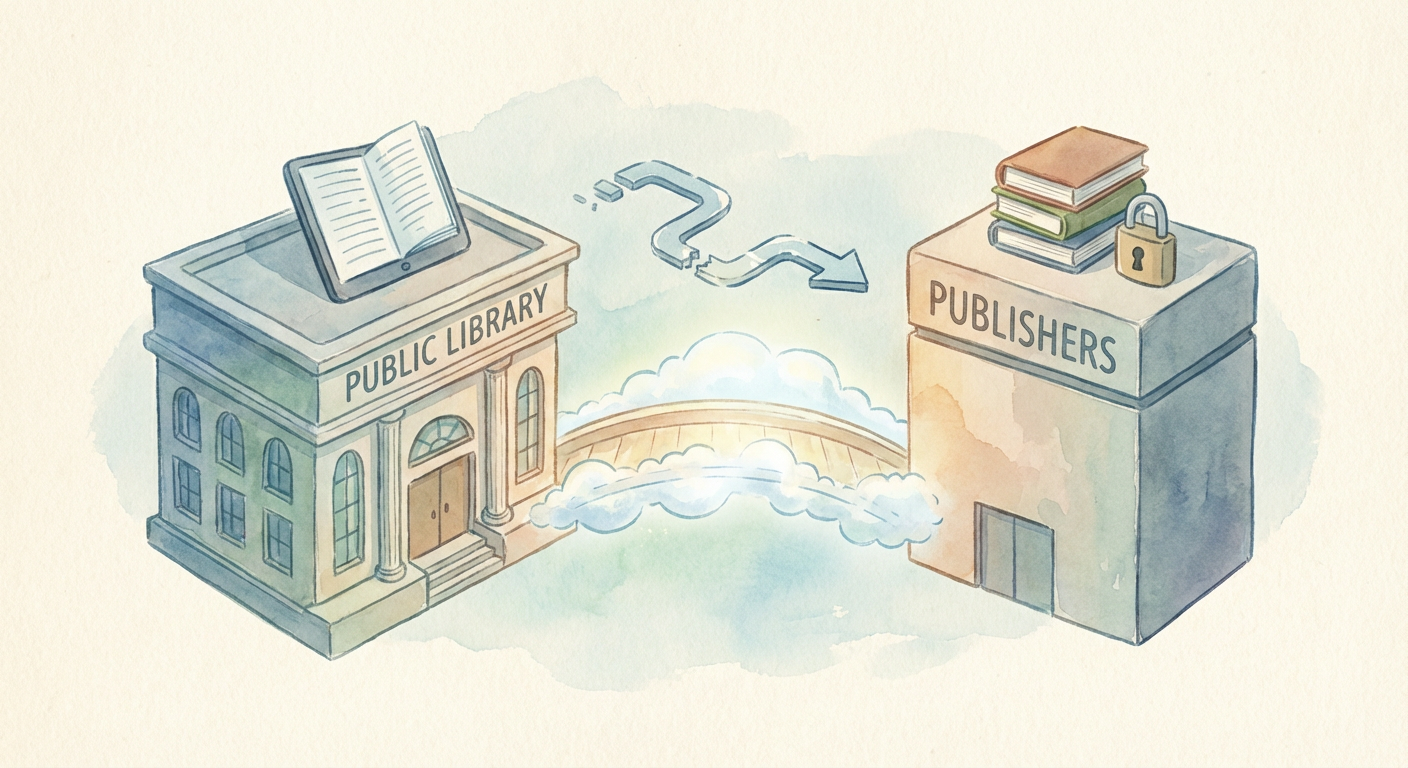
This revival happens alongside ongoing fights between publishers and libraries over digital lending rights, conflicts that have gotten worse since 2020. These disputes reveal basic questions about how literary culture adapts to digital distribution while preserving the economic structures that support serious fiction. Libraries have always been crucial spaces for literary discovery, especially for translated works that might otherwise lack commercial visibility.
The Homogenization Problem in Literary Recognition
Literary prize culture faces growing criticism for producing increasingly uniform prize-worthy fiction. This problem looks a lot like issues in literary translation. Just as translation can sometimes flatten a work’s distinctive voice into a more palatable, internationally readable style, prize culture may be pushing writers toward a particular register of literary seriousness that travels well across cultures but sacrifices local specificity and individual voice.
This creates a paradox for contemporary literary fiction. While the novel form has never been more global or diverse in terms of who’s writing, the aesthetic criteria for literary recognition may be getting narrower. Prize committees, like translators, face the challenge of making works accessible to broad audiences while preserving what makes them distinctive and valuable. The resulting tension shapes not just which books get recognized but how they get written in the first place.
The problem goes beyond individual prizes to the broader infrastructure of literary culture. When similar aesthetic values dominate prestigious awards across different countries and languages, the global literary conversation may become less rich and varied than its apparent diversity suggests. This is a failure of cultural translation at the institutional level, where the mechanisms for recognizing literary excellence accidentally limit the forms that excellence can take.
Toward a More Capacious Literary Culture
This moment in literary fiction demands the same creative flexibility that characterizes the best literary translation. Instead of seeing social media discovery, economic pressures, and changing reading habits as threats to serious literature, we might view them as new contexts that require thoughtful adaptation. The most successful literary translators understand that staying true to a source text requires strategic departures from its surface features. Similarly, preserving what matters most about literary fiction may require accepting significant changes in how it reaches readers and sustains itself economically.
The novel’s future likely depends on developing more sophisticated approaches to these translation challenges. This means creating space for literary fiction that can thrive across different discovery mechanisms while maintaining its capacity to surprise and challenge readers. It means supporting economic models that value literary innovation alongside commercial viability. Most importantly, it means recognizing that literary culture’s health depends not on preserving existing forms unchanged but on ensuring they continue to evolve in ways that serve their deepest purposes.
How do you see contemporary literary fiction navigating these challenges in your own reading experience? The conversation around literature’s future benefits from voices across the entire spectrum of literary engagement, from casual readers to industry professionals to scholars of comparative literature.