The Shock of Literary Betrayal
It happened to me last month with a book I’d been anticipating for two years. You know that feeling when you’ve been counting down to a release date, pre-ordered months in advance, cleared your entire weekend schedule? I did all of that for the latest novel from an author whose previous work had completely changed how I thought about family trauma and memory. I expected to be destroyed in the best possible way. Instead, I found myself staring at the final page feeling like I’d been served a lukewarm approximation of a meal I’d been craving.
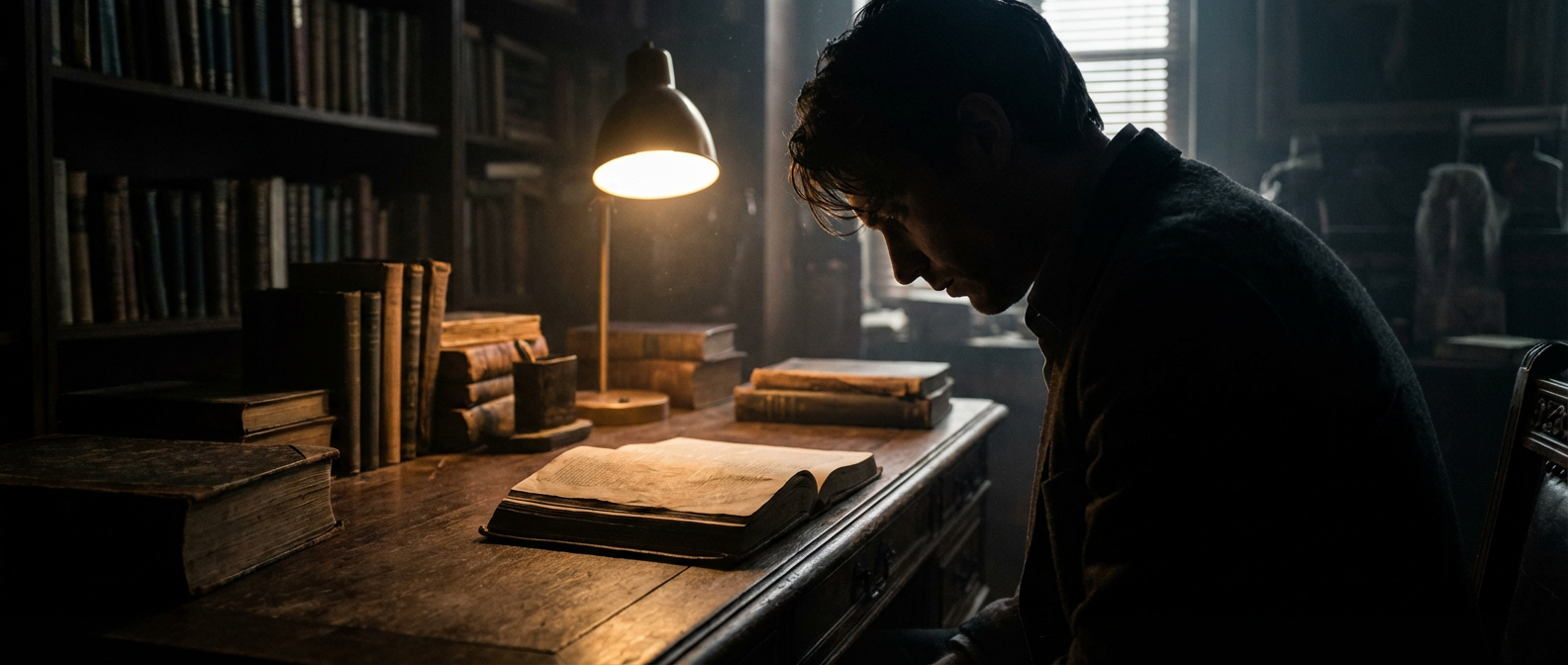
The disappointment felt almost personal. Not because the book was objectively terrible, but because it wasn’t the book I needed it to be. Even worse was realizing that this wasn’t really about the author at all. This was about me, about the impossible standards I’d built up, about the weight of expectation I’d loaded onto 300 pages of bound paper. When beloved authors disappoint us, we have to face something uncomfortable about how we relate to their work.
The Myth of Consistent Genius
We talk about authors like they’re brands with guaranteed quality control, but creativity doesn’t work that way. Stephen King has written both “The Stand” and “Dreamcatcher.” Toni Morrison gave us “Beloved” and also “God Help the Child,” which divided even her most devoted readers. The assumption that a writer who moved us once will continue to do so in exactly the same way says more about our need for reliability than about artistic reality.
Part of this expectation comes from how we discover authors in the first place. Most of us encounter a writer through their strongest work, the novel that’s been filtered through years of critical acclaim and reader recommendations. We’re meeting them at their peak, then expecting every subsequent book to reach that same summit. It’s like falling in love with someone on their best day and then feeling betrayed when they’re human on a Tuesday.
The author-reader relationship is weirdly one-sided. Writers have no idea who’s picking up their books or what emotional baggage we’re bringing to the experience. They can’t adjust their work to meet our individual needs, yet we often read as if they should be writing specifically for us. When they inevitably fail to meet our unspoken expectations, we feel abandoned by someone who never knew we existed.
The Evolution Problem
Sometimes the disappointment comes not from declining quality but from growth we didn’t want. Authors change, experiment, take risks that don’t pay off for readers who fell in love with their earlier style. I think about fans who couldn’t follow Margaret Atwood from “The Handmaid’s Tale” to “The Blind Assassin,” or readers who felt lost when Zadie Smith moved from “White Teeth” to “NW.” The work isn’t necessarily worse, but it’s different enough to feel like betrayal.
This evolution problem reveals the tension between artistic growth and reader loyalty. We want authors to surprise us, but not too much. We want them to develop their craft, but not to abandon what made us love them in the first place. It’s an impossible balance. Yet we’re often unforgiving when writers choose artistic exploration over comfort.
There’s also the question of whether we’re disappointed in the book or disappointed in ourselves for changing. Sometimes we return to a beloved author after years away and find that we’re no longer the same reader who fell in love with their work. The author hasn’t failed us, we’ve outgrown them, or moved in a different direction, or simply developed different tastes. This kind of disappointment feels like losing a friend to natural drift rather than dramatic falling out.
The Weight of Parasocial Intimacy
Reading creates an illusion of intimacy that can make literary disappointment feel like personal rejection. When we spend hours inside an author’s imagined worlds, we begin to feel like we know them. We develop expectations about their values, their sensibilities, their understanding of the human condition. A book that contradicts these assumptions can feel like discovering that a close friend has been hiding parts of their personality.
Social media has made this worse. Authors who share their thoughts on Twitter or Instagram create additional layers of fake connection. We might love their novels and then feel disillusioned by their political takes, or appreciate their literary voice while finding their online presence grating. These disappointments bleed into how we read their work, creating a complex web of expectations that has little to do with the actual books.
The most painful disappointments often come from authors whose work has been a source of comfort or inspiration during difficult times. When they publish something that doesn’t speak to us in the same way, it can feel like losing a form of emotional support. We’re not just disappointed in a book, we’re grieving the loss of a relationship that helped us make sense of the world.
Learning to Love Imperfectly
The healthiest way I’ve found to handle literary disappointment is to treat it like any other relationship challenge: with curiosity rather than judgment. Instead of asking “How could they write something so disappointing?” I try to ask “What was I hoping this book would do for me that it didn’t do?” Often, the answer tells me as much about my current emotional state as it does about the book’s quality.
I’ve also learned to appreciate authors’ entire bodies of work rather than individual books in isolation. Some writers are consistently good, others are wildly uneven but capable of occasional brilliance. Both approaches have value. Knowing that an author sometimes misses lets me appreciate their hits more fully, while also leaving room for pleasant surprises when a book I expected nothing from delivers something extraordinary.
Maybe the goal isn’t to avoid disappointment but to let it teach us something about the reading life. When beloved authors let us down, they remind us that books aren’t products designed to meet our specifications. They’re artistic expressions that sometimes connect with us and sometimes don’t. The magic happens not in the guarantee of satisfaction, but in the ongoing conversation between what writers offer and what readers bring to the page.
What literary disappointments have taught you about your own reading habits? I’d love to hear about the books that didn’t live up to your expectations and what you learned from sitting with that discomfort.