
The Nakamoto Surprise: Blockchain Beyond Bitcoin

Hello, tech trailblazers! 👋 Welcome to another trip down the blockchain rabbit hole. I want to share a different perspective on blockchain technology that’s reshaping our tech dreams. While everyone watches Bitcoin’s wild ups and downs, the technology behind it—blockchain—is quietly transforming pretty much every industry you can think of. If “blockchain” just makes you think of cryptocurrency treasure maps, trust me, there’s way more complex and exciting stuff happening behind the scenes.

Let’s dig into how blockchain actually works, cut through all the skepticism swirling around it, and explore some genuinely cool transformations happening right now. We’re talking about supply chains that actually work efficiently, and entirely new digital ecosystems built on this technology.

What is Blockchain, Really?

Think of blockchain like a digital ledger that everyone can see but no one can cheat. Instead of trusting one company or bank to keep records, the information gets stored across thousands of computers. Each “block” contains a bunch of transactions, and they’re all chained together chronologically. Once something gets added to the chain, it’s basically impossible to change without everyone noticing.

The real magic happens because it’s decentralized. No single authority controls it, which means no single point of failure. Traditional databases can get hacked, corrupted, or manipulated by whoever runs them. Blockchain makes that incredibly difficult because you’d need to somehow hack thousands of computers at the exact same time.

Where Blockchain is Making Real Changes

Beyond the cryptocurrency hype, blockchain is solving actual problems in surprising places. Supply chain management is probably the most practical application I’ve seen. Companies can now track products from raw materials to your doorstep, with every step recorded permanently. No more mystery meat or counterfeit goods slipping through the cracks.

Healthcare is another area that’s getting interesting. Patient records on blockchain could mean your medical history follows you securely, no matter which hospital or doctor you visit. Real estate transactions are becoming faster and more transparent. Even voting systems are being tested with blockchain to prevent fraud and increase trust in elections.

The Reality Check

Look, I’m not going to pretend blockchain solves everything. It’s still energy-intensive, can be slow, and honestly, most people don’t understand it well enough to use it properly yet. But the potential is there, and we’re seeing real implementations that work.

The technology is moving past the speculation phase into actual utility. Companies are finding specific problems blockchain solves better than traditional methods. That’s when things get genuinely exciting, not just profitable.
##The AI Evolution: How Generative AI is Sculpting Future Interactions

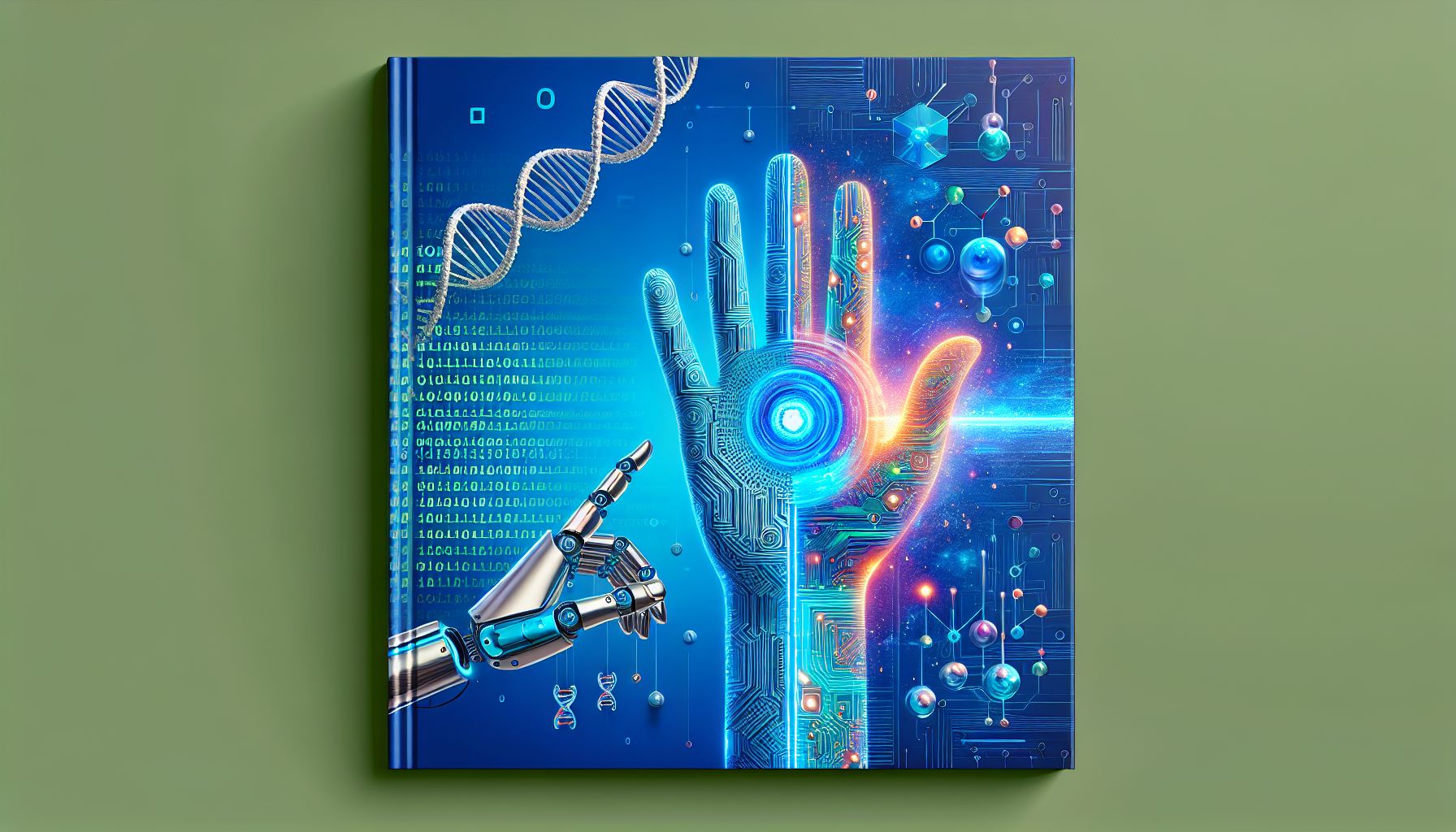
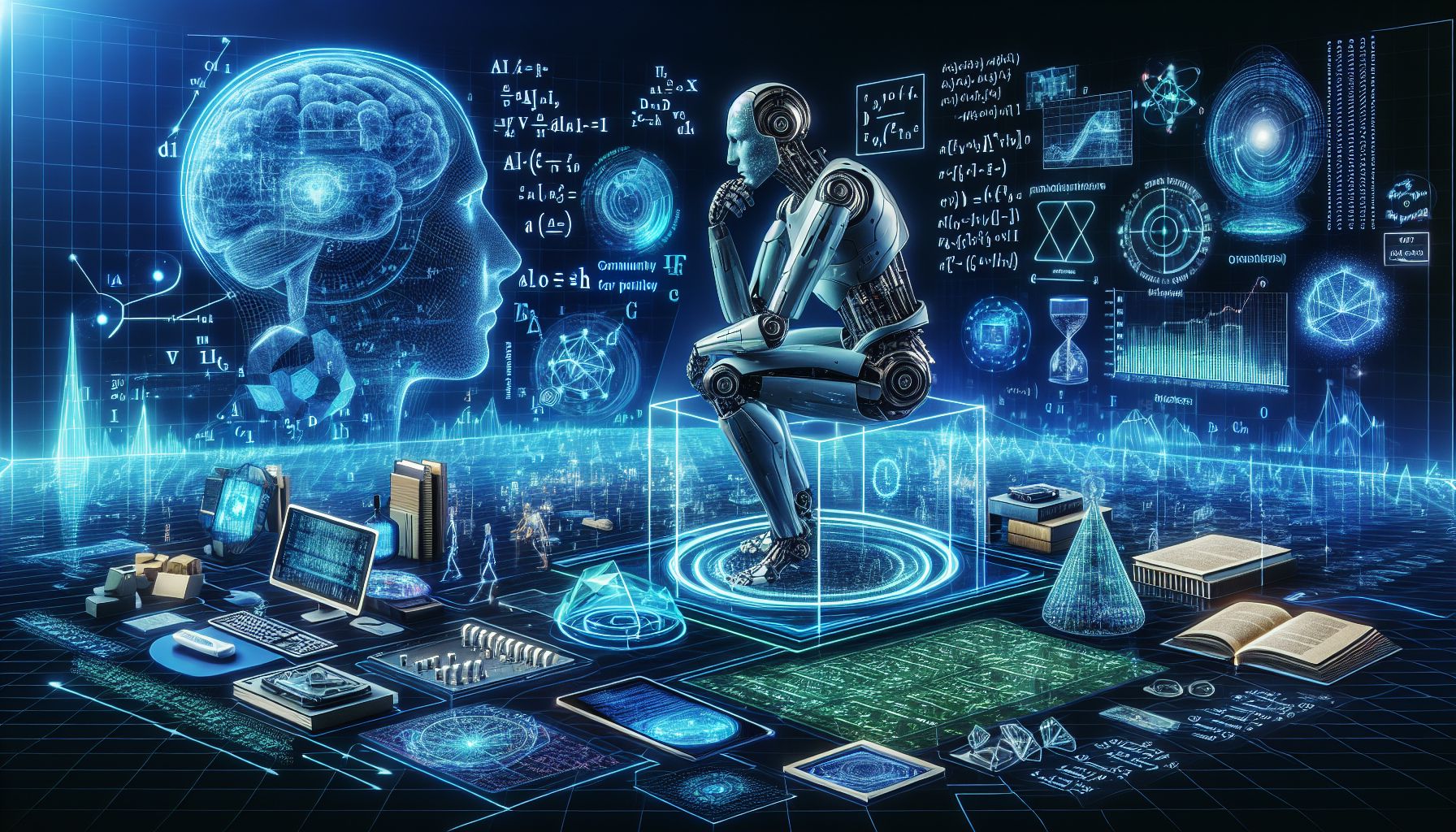
Over the past few years, artificial intelligence has moved way beyond being just a tech buzzword. It’s become a real tool that’s changing how we work, create, and communicate. You know that Spider-Man quote about great power and great responsibility? That pretty much sums up where we are with AI right now. There’s incredible potential here, but also some serious complexity to navigate. Generative AI, in particular, has been making some pretty impressive leaps lately.

Generative AI is the part of AI that can create things that look and sound like they came from humans. We’re talking text, images, audio, even data sets. The tech behind this relies on neural networks, natural language processing, and machine learning algorithms that have gotten really good at learning patterns without being explicitly programmed for every scenario.

The Emergence of Generative AI

Companies are using tools like OpenAI’s GPT to automate creative work, change how we approach education, and blur the lines in media and entertainment. Some researchers think we’re heading toward what they call “art-empathy” where machines create content that actually makes us feel something.

These algorithms can be pretty unsettling or incredibly helpful, depending on how you look at it. They can write news articles that sound completely human or create paintings that look like they came from a real artist. It’s both exciting for creativity and a bit concerning when you think about how it might mess with our perception of what’s real.

Generative Design: A Boon for Industries

One area where this tech is really making waves is generative design. Instead of engineers manually creating every design iteration, algorithms generate tons of alternatives. Car companies, aerospace firms, and architects are using this approach. The machines can iterate through possibilities faster than any human team could manage.

We’re seeing materials engineered at the atomic level to manipulate light or heat in ways that weren’t possible before. The results often look nothing like traditional designs, but they perform better than anything humans would have come up with on their own.

Democratizing Creativity & Revolutionizing Communication

There’s something to that Picasso quote about creation being an act of destruction first. Generative AI is definitely breaking down old barriers to creative work. Text generation tools that handle multiple languages are making translation and multilingual content much more accessible.

Take something like AI animation tools that can bring literary characters to life from just a script description. These technologies lower the bar for people who have creative ideas but maybe not the technical skills to execute them traditionally.

Communication is changing too. The chatbots we interact with now are still pretty basic, but customer service AI and diagnostic tools are getting more sophisticated. We’re seeing real improvements in how naturally these systems can handle conversations.

Challenges to Overcome

But let’s be realistic here. Every new technology comes with problems to solve. Security issues are a big concern, especially around transparency and accountability. When an AI system makes a mistake or gets manipulated, it’s not always clear how to fix it or who’s responsible.

Ethical Alignment & Societal Shifts

The ethical questions are probably the trickiest part. How do we make sure these systems align with human values when humans themselves don’t always agree on what those values should be? There are ongoing debates about bias in AI systems, job displacement, and how to regulate this technology without stifling innovation.

We’re also seeing shifts in how people think about authorship and creativity. If an AI helps write a song or design a building, who gets credit? These aren’t just philosophical questions anymore, they have real legal and economic implications.

The Path Forward

Generative AI is creating new economic opportunities, especially in creative fields. But it’s also forcing us to rethink some fundamental assumptions about work, creativity, and human-machine collaboration.

The key seems to be finding the right balance. We want to harness the benefits of this technology while being thoughtful about the risks. That means ongoing research into AI safety, better frameworks for accountability, and probably some new regulations as we figure out how this all plays out.

What’s clear is that generative AI isn’t going anywhere. The question is how we shape its development and integration into society. The decisions we make now about research priorities, ethical guidelines, and regulatory approaches will determine whether this technology becomes a genuine benefit or creates new problems we’re not prepared to handle.

Is Artificial General Intelligence Closer Than We Think? Exploring AI-Driven Promises

Hey, tech explorers! 🎩🤖 If you’re like me, driven by daydreams about utopian futures powered by Artificial Intelligence (AI), grocery-ordering drones, and empathetic robots finally unchaining us from mundane chores – you’re in for a treat! Theories around singularity and AI superseding human intelligence might have a fascinating playground today in our blog post about Artificial General Intelligence (AGI).

Are we riding high on a soon-to-be wave of AGI, or is it just wistful thinking marinated in sci-fi generational indoctrination?

Artificial Intelligence in the Mainstream: More than Just Rocket Science

We’ve seen artificial intelligence work its way into the mainstream narrative. Netflix sci-fi hits about intelligent robots, dystopian shows built on AI themes. Technologies powered by AI, like recommendation engines, chat interfaces, and sentiment analytics, are part of our daily routine now.

But within AI and Machine Learning circles, there’s one idea that keeps coming up: AGI. The dream (or nightmare, depending on who you ask) that machines could one day match human intelligence across the board.

Defining the Pandora’s Box: What is Artificial General Intelligence?

For newcomers to the AGI conversation, here’s the simple version: Artificial General Intelligence is AI that matches human-level cognitive abilities. Not just chess or image recognition, but the full spectrum of what human brains can do.

Think about it. Right now, we have narrow AI that’s brilliant at specific tasks but useless outside its domain. AGI would be different. It could learn, reason, create, and adapt across any field, just like humans do. That’s both exciting and terrifying.

Current State of AI Development

Looking at where we are today, the progress is honestly impressive. Large language models can write, code, and reason in ways that seemed impossible just a few years ago. Computer vision systems recognize objects better than humans in many cases. Game-playing AI has conquered everything from Go to StarCraft.

But here’s the thing: these are still narrow systems. ChatGPT can’t drive a car. The AI that beats world champions at poker can’t write poetry. We’re still in the era of specialized intelligence, not general intelligence.

The Path Forward

Some researchers think AGI is decades away. Others believe we’re closer than most people realize. The truth? Nobody really knows. The timeline depends on breakthroughs we can’t predict and problems we haven’t solved yet.

What I find interesting is how the goalposts keep moving. Every time AI achieves something we thought was uniquely human, we adjust our definition of intelligence. Maybe that says more about us than about the technology.

Anticipating AGI: Revolution Isn’t as Far as Opposition Says

Whether AGI arrives in 10 years or 50, one thing’s certain: it will change everything. The question isn’t if, but when and how. And honestly? That’s both thrilling and slightly nerve-wracking to think about.

4 Tips For Finding The Best Car Insurance Companies

Shopping for the best car insurance companies is a very personal experience. Different people have different desires and needs when it comes to auto insurance. Don’t be afraid to ask questions when considering which company to choose. This article will give you information and advice when looking for the best car insurance company for your needs.

best car insurance companies

To help you find the best car insurance companies nationwide, we compiled data on overall customer satisfaction and cost for major companies. We also looked at the cost for drivers with different levels of driving experience. Most auto insurance companies offer free quotes online. Just visit one of the company websites and answer a few questions about your driving history and preferences. Based on your answers, we’ve compiled the top 10 best auto insurance companies for each category.

Property Damage Only: Property damage coverage from the best cheap auto insurance companies costs the least in monthly premiums. This type of car insurance covers damage that happens to your vehicle in an accident. For most states, this coverage requires a high deductible and you may pay a little less per month because of the lower monthly premium.

Customer Service Rating: There are hundreds of insurance companies available to the public today, but only a few offer top notch customer service. Unfortunately, you often have to dig deep into the Internet to find customer reviews. Before signing up with any company, make sure you read a few reviews. The Better Business Bureau is a great resource for finding information about whether a company has a good reputation for customer service. Most customer service reviews include positive feedback from past customers.

No claims bonus programs: Many car insurance companies offer no claim bonus programs for new drivers. With these programs, drivers don’t need to pay the difference between what the insurance company pays out if they meet with an accident and what the insurer pays out if they meet with a medical emergency. Since drivers are more likely to drive without being adequately covered, these programs can often result in cheap rates for new drivers. Many insurers also offer no claim bonuses for drivers who have taken advanced driver training courses.

Extended warranties: Often, car insurance companies also offer extended warranties for their customers. Some insurers give their customers three or four years of extended coverage. For most insurers, this is a great savings for the customer. These extended warranties can often be used to recoup some of the cost of the warranty. An example would be a warranty that covered your vehicle for five years if it was stolen.

High deductibles: When shopping around for a car insurance policy, ask the insurance provider what the deductibles will be. This matters because high deductibles will save you a lot of money on premiums. If you can pay your deductible in one lump sum, it will save you a considerable amount of money on your premium. So if you can afford to pay your deductible, you might want to consider increasing your deductible.

Auto clubs: Many states offer discounts for members of auto clubs. For instance, in several states, automobile club members may receive a discount on the premiums they pay out. However, these policies will not cover your automobile when it’s involved in an accident. To receive full coverage, you should purchase an auto club membership. Several states have different laws about auto clubs, so it’s best to check your state regulations before enrolling in any program.