When Debut Novels Cross Borders: Why Translation Makes or Breaks Literary First Impressions

The Invisible Hand That Shapes Your Reading Experience

You know that feeling when you finish a debut novel and immediately text everyone you know about it? That moment when you’ve discovered something extraordinary? I had that experience twice last month with the same book. First, I read Elena Knows by Claudia Piñeiro in Spanish, then picked up the English translation by Frances Riddle. Two completely different emotional journeys, same story. It got me thinking about how translation shapes our relationship with international debuts in ways we rarely acknowledge.

When Debut Novels Cross Borders: Why Translation Makes or Breaks Literary First Impressions

When we rave about a translated debut, we’re actually celebrating two artistic achievements at once. There’s the original author’s vision, yes, but also the translator’s recreation of that vision in English. Yet most of our book conversations skip right over this. We say “I love Cho Nam-joo’s Kim Jiyoung, Born 1982” when we really mean “I love Jamie Chang’s English rendering of Cho Nam-joo’s Kim Jiyoung, Born 1982.” This isn’t just being picky about language. Understanding this distinction changes how we read, how we recommend books, and how we think about literary discovery.

Illustration for When Debut Novels Cross Borders: Why Translation Makes or Breaks Literary First Impressions

The Debut Novel Pressure Cooker

Debut novels face impossible expectations. They carry the weight of an author’s entire literary future, the hopes of publishers betting on unknown voices, and readers’ hunger for the next big thing. When that debut is translated, the stakes multiply. The translator becomes responsible not just for getting the words right, but for ensuring the author’s debut makes the right first impression in English.

Consider Han Kang’s The Vegetarian, which introduced many English readers to her work before she won the International Booker Prize. Deborah Smith’s translation captured something urgent and unsettling that perfectly matched Han Kang’s original vision. But what if the translation had been clunky or overly explanatory? Would Han Kang’s later novels have found the same eager English-speaking audience? Translation quality can make or break an international author’s entire English-language career.

This pressure creates weird dynamics in the translation world. Established translators often get first crack at anticipated debuts, while newer translators might be paired with riskier projects. The result? An uneven landscape where some debuts get luxury treatment while others struggle with inexperienced or mismatched translators. As readers, we experience this inequality as mysterious variation in quality between international books, not understanding that translation matching is as important as editor-author relationships.

When Translation Choices Define Character Voice

The real test of translation artistry comes with debut novels that center distinctive narrative voices. These books succeed or fail based on whether readers connect with how the protagonist sees the world. In translation, that voice becomes a collaboration between author and translator, with the translator making countless small decisions about tone, register, and personality.

Take Fernanda Melchor’s Hurricane Season, translated by Sophie Hughes. Melchor’s debut is a torrent of run-on sentences and violent imagery that mirrors the chaos of rural Mexican life. Hughes had to recreate not just the meaning but the overwhelming sensation of Melchor’s prose rhythms. She chose to preserve the long, unpunctuated passages even when they challenge English readers’ expectations. The result feels authentically disorienting, exactly as Melchor intended. Hughes understood that smoothing out the style would have betrayed the novel’s essential character.

Compare this with translations that prioritize readability over authenticity. These versions might smooth out cultural specificities or adjust sentence structures to match English conventions. The resulting books often feel more accessible but less distinctive. For debut novelists trying to establish unique literary voices, this kind of translation can be devastating. Readers encounter a generic version of what should have been a singular artistic vision.

The Cultural Context Dilemma

Debut novels often draw heavily on their authors’ specific cultural backgrounds, creating translation challenges that go way beyond language. How much context should a translator provide? How do you convey cultural nuances without overwhelming English readers with explanatory text? These decisions shape whether international debuts feel authentically foreign or uncomfortably alien.

Mieko Kawakami’s Breasts and Eggs, translated by Sam Bett and David Boyd, offers a masterclass in cultural translation. The novel is deeply rooted in contemporary Japanese women’s experiences, particularly around body image and reproductive choices. The translators preserved Japanese honorifics and cultural references while providing just enough context for English readers to follow the emotional logic of characters’ relationships. They resisted the urge to over-explain, trusting readers to understand unfamiliar social dynamics.

This approach requires tremendous confidence from both translators and publishers. It’s always safer to add explanatory footnotes or convert foreign references into familiar American or British contexts. But the best translated debuts maintain their cultural specificity while remaining emotionally accessible. They invite English readers into different ways of thinking and being rather than converting foreign experiences into something we already know.

Reading Translation as Literary Art

Once you start paying attention to translation as creative work, you can’t stop noticing it. You begin recognizing translator signatures, the way certain translators consistently make choices that feel distinctly their own. You start seeking out books based on who translated them, not just who wrote them. Jennifer Croft’s translation of Olga Tokarczuk’s Flights feels completely different from Antonia Lloyd-Jones’s translation of Tokarczuk’s Drive Your Plow Over the Bones of the Dead, even though both capture essential aspects of Tokarczuk’s vision.

This awareness transforms how we think about international literature. Instead of treating translation as transparent transmission of meaning, we can appreciate it as interpretive art. The best translated debuts give us access not just to foreign stories, but to the creative collaboration between two artistic minds working across languages and cultures. We get to witness what happens when one writer’s vision encounters another writer’s craft, creating something that exists fully neither in the original language nor in pure English, but in the space between them.

What debuts in translation have surprised you lately? I’m always hunting for that perfect collision of debut energy and translation artistry, and I’d love to hear what you’ve discovered. Sometimes the books that hit differently are the ones where translation and original vision achieve that rare harmony that makes you forget you’re reading across languages at all.
The Books That Slip Between Shelves: Five Underrated Gems That Refuse to Stay in Their Lane

When Literary Fiction Gets Its Hands Dirty

Let me tell you about The Sellouts by Paul Beatty, which won the Pulitzer and somehow still feels like a secret handshake among readers who appreciate when literary fiction decides to throw punches. This isn’t your polite workshop story about quiet epiphanies over coffee. Beatty takes the constraints of satire and literary respectability and uses them to build something that shouldn’t work but absolutely does: a novel about a man trying to reinstate slavery and segregation in his California neighborhood that’s simultaneously hilarious and devastating.

The Books That Slip Between Shelves: Five Underrated Gems That Refuse to Stay in Their Lane

What makes this book brilliant isn’t just its audacity, but how Beatty uses the literary fiction framework to examine race in America through the funhouse mirror of absurdist comedy. The demands of the genre, character development, precise language, thematic depth, become tools for dismantling racial assumptions rather than obstacles to entertainment. It’s proof that literary fiction doesn’t have to choose between being smart and being alive.

Similarly, Interior Chinatown by Charles Yu uses the rigid structure of a television screenplay to explore Asian American identity and invisibility. Yu takes the constraints of the TV format and transforms them into a metaphor for how we’re all performing roles society has written for us. The book reads like a brilliant thought experiment that happens to break your heart, showing how genre constraints can become the very thing that sets a story free.

Illustration for The Books That Slip Between Shelves: Five Underrated Gems That Refuse to Stay in Their Lane

Science Fiction That Forgets to Be Cold

The Space Merchants by Frederik Pohl and C.M. Kornbluth deserves a spot on every dystopian fiction syllabus, but it keeps getting overshadowed by the usual suspects. Published in 1952, this novel predicted our current advertising-saturated corporate hellscape with such precision it’s almost uncomfortable to read. The demands of 1950s science fiction, the need to extrapolate from current trends, the expectation of technological speculation, forced the authors to create something that reads less like prophecy and more like documentation.

What sets this apart from other dystopian fiction is its focus on marketing and consumption rather than government surveillance or war. The protagonist is an advertising executive in a world where corporations have replaced governments, and the book explores how consumer culture can be just as totalitarian as any political regime. It’s science fiction that uses the future to examine the present, but with a specificity and dark humor that makes Orwell seem almost quaint.

The book works because Pohl and Kornbluth understood that good science fiction isn’t about predicting the future, it’s about using the constraints of speculative storytelling to examine human nature under pressure. They took the genre’s demand for world-building and used it to create a mirror that’s still reflecting our reality seventy years later.

Mystery Fiction That Solves More Than Crimes

Devil in a Blue Dress by Walter Mosley gets mentioned in discussions of hard-boiled detective fiction, but it deserves recognition as something more complex: a novel that uses the constraints of noir to explore post-war Black Los Angeles with the kind of detail and care usually reserved for literary fiction. Easy Rawlins isn’t just solving a case; he’s navigating a world where being Black and observant makes you both invaluable and expendable.

Mosley understands that the best mystery fiction isn’t about puzzles, it’s about revealing character and society through the process of investigation. The constraints of the genre, the need for clues, red herrings, and resolution, become tools for exploring how justice works differently depending on who you are and where you live. The mystery structure forces Mosley to show rather than tell, creating a social critique that lands harder because it arrives through story rather than sermon.

What makes this book remarkable is how Mosley uses Easy’s position as an outsider-insider to examine American society from an angle that pure literary fiction might struggle to achieve. The detective story framework gives him permission to ask uncomfortable questions and follow them to their logical conclusions, proving that genre constraints can be liberation in disguise.

Horror That Haunts Your Heart

Mexican Gothic by Silvia Moreno-Garcia takes the constraints of Gothic horror, isolated houses, family secrets, atmospheric dread, and uses them to examine colonialism and cultural identity in ways that straight historical fiction might find difficult to achieve. The book follows Noemí as she investigates her cousin’s disturbing letters from her new husband’s family estate, but the real horror emerges from the intersection of personal and historical trauma.

Moreno-Garcia understands that the best horror fiction doesn’t just scare you, it makes you confront uncomfortable truths about power and vulnerability. The Gothic framework allows her to externalize internal fears about identity and belonging, while the horror constraints demand that she make those fears visceral and immediate rather than abstract. The result is a book that works as both spine-tingling entertainment and sophisticated cultural critique.

The genius of the book lies in how Moreno-Garcia uses the genre’s emphasis on atmosphere and mood to create a reading experience that mirrors her protagonist’s gradual understanding of her situation. The constraints of horror fiction, the need to build tension, create genuine scares, provide cathartic resolution, become tools for exploring how historical trauma persists in family structures and cultural expectations.

Why Genre Boundaries Matter Less Than Good Storytelling

These books succeed because their authors understood something important: genre constraints aren’t limitations to overcome but tools to master. Each of these writers took the specific demands of their chosen form, the linguistic precision of literary fiction, the world-building requirements of science fiction, the investigative structure of mystery, the atmospheric demands of horror, and used them to tell stories that wouldn’t work as well in any other genre.

What unites these underrated gems isn’t their quality alone, but their refusal to apologize for their genre affiliations while simultaneously transcending them. They prove that the best books don’t escape their genres, they use genre constraints to achieve things that wouldn’t be possible otherwise. They understand that readers don’t need to choose between intelligence and entertainment, between literary merit and page-turning excitement.

I keep thinking about how these books found me at exactly the right moments, often through recommendations from readers who understood that good storytelling transcends artificial boundaries. If you’ve read any of these, I’d love to hear how they hit you. And if you haven’t, consider this your midnight text from a friend who just discovered something that needs to be shared.

When Words Won’t Come: Breaking Through Reading Slumps in Translation

The Particular Loneliness of Not Reading

You know that feeling when you’re standing in front of your overflowing bookshelf, running your finger along familiar spines, and nothing calls to you? When the thought of starting another book feels like trying to force yourself to fall in love? Reading slumps are peculiar beasts. They strike without warning and overstay their welcome, leaving us feeling disconnected from something that once felt as natural as breathing.

But here’s what I’ve discovered after years of wrestling with my own literary dry spells: sometimes the problem isn’t that we’ve lost our love for stories, but that we’ve been reading in too narrow a linguistic lane. When you’ve been swimming in the same literary waters for months, your reading muscles get used to particular rhythms, specific ways of constructing meaning. The solution might not be finding a different story, but finding a different way of telling stories entirely.

This is where translation comes in, not as a consolation prize or exotic alternative, but as a fundamentally different reading experience. Translated literature doesn’t just offer us stories from other cultures. It offers us other ways of thinking about language itself, other structures of meaning that can jolt our reading brain back to life.

Why Translation Breaks Different Neural Pathways

When you read a translation, you’re experiencing a unique literary artifact that exists nowhere else in the world. You’re not reading Ferrante or Murakami or Knausgård. You’re reading Ann Goldstein’s Ferrante, Jay Rubin’s Murakami, Don Bartlett’s Knausgård. Each translation is a collaboration between the original author and the translator, creating something that’s both faithful to the source and entirely new.

This double consciousness can be exactly what your slump-addled brain needs. Good translators don’t just convert words from one language to another. They make thousands of micro-decisions about rhythm, register, cultural context, and emotional weight. They’re essentially rewriting the book in your language while trying to preserve the author’s voice, style, and intent. The result is prose that often moves differently than native-language writing, with unexpected cadences and surprising word choices that can wake up reading pathways you’d forgotten you had.

I remember picking up László Krasznahorkai’s “Satantango” during a particularly stubborn reading slump, drawn to George Szirtes’ translation after months of bouncing off perfectly good English-language novels. Those serpentine, page-long sentences that seem to spiral inward on themselves completely rewired my expectations of what prose could do. The experience was like hearing music in a different key signature after months of the same chord progressions.

The Rhythm Method: How Different Languages Shape Story

Each language has its own internal music, and translators are essentially jazz musicians, improvising variations on themes while staying true to the essential melody. German, with its compound words and flexible sentence structure, creates different narrative possibilities than English. Japanese, with its context-dependent meaning and different relationship to subject and object, produces entirely different story rhythms. Spanish carries different emotional registers, different ways of expressing intimacy and distance.

When translators bring these linguistic characteristics into English, they create hybrid prose that can feel both familiar and foreign. Jennifer Croft’s translation of Olga Tokarczuk doesn’t just give us Polish stories in English words. It gives us English that has been stretched and shaped by Polish sensibilities, Polish ways of moving through ideas and emotions. Reading it is like discovering that your native language has rooms you never knew existed.

This is why translation can be so effective for breaking reading slumps. Your brain, accustomed to certain patterns and expectations, suddenly encounters familiar words arranged in unfamiliar ways. The cognitive magic required to process these different linguistic patterns can restart the reading pleasure that felt so elusive just pages before.

Strategic Slump-Busting: A Translator’s Approach

Not all translations are created equal when it comes to slump-busting. Some translators prioritize invisibility, smoothing out linguistic differences to create prose that reads as if it were originally written in English. Others embrace what translation scholar Lawrence Venuti calls “foreignization,” preserving elements that remind you you’re reading across languages. For slump-busting purposes, you often want something closer to the latter.

Look for translators who have distinctive styles, who aren’t afraid to let their English be influenced by the source language’s characteristics. Robin Moger’s Arabic translations maintain some of the flowing, meditative quality of Arabic prose. Deborah Smith’s Korean translations (controversial though they may be) create English that moves with different assumptions about how sentences should unfold. These translators aren’t trying to trick you into forgetting you’re reading a translation. They’re inviting you into a linguistic space that exists between languages.

Start with shorter works. Translated poetry can be particularly effective because poems concentrate all these linguistic differences into smaller, more manageable doses. Try reading some Wisława Szymborska or Paul Celan. Their translators have had to make visible the invisible music of their original languages, creating English poems that sound like no native English speaker would write but that somehow make perfect sense.

Beyond the Slump: Translation as Ongoing Literary Practice

Once translation helps you crawl out of your reading slump, don’t abandon it for familiar literary territory. Make it part of your regular reading diet. Not because you should read internationally to be a better person (though you might become one), but because translation keeps your reading brain flexible and curious. It prevents the kind of linguistic complacency that leads to slumps in the first place.

Start paying attention to translators’ names. Read multiple translations of the same work if you can find them. Notice how different translators make different choices, how Richard Pevear and Larissa Volokhonsky’s Dostoevsky feels different from Constance Garnett’s, how each creates a different version of the same Russian soul in English words.

Most importantly, let translation remind you that reading is always an act of interpretation. Even when we read books originally written in our native language, we’re translating the author’s consciousness into our own understanding, their words into our emotional experience. Translation just makes this invisible process visible, reminding us that every act of reading is a collaborative creation between writer and reader, a conversation across the spaces between minds.

What translations have rescued you from reading slumps? I’d love to hear about the books that reminded you why you love reading in the first place, especially if they came to you through the beautiful, complex art of translation.

When Fall Reading Lists Let You Down: A Love Letter to Literary Disappointment

The Great Autumn Setup

You know that feeling when October hits and suddenly every bookstagram account, literary magazine, and well-meaning friend starts pushing the same handful of “essential fall reads”? The atmospheric gothic novels, the cozy mysteries set in New England, the sweeping historical fiction that promises to transport you to foggy moors and candlelit libraries. I fell hard for this seasonal reading pressure this year, armed with a carefully curated list that looked perfect on paper but left me staring at my ceiling at 2 AM wondering why I felt so hollow after finishing books that should have been exactly my thing.

The truth is, seasonal reading recommendations often work against us as readers. They create expectations that have more to do with marketing timing and aesthetic vibes than with the actual emotional mess we bring to our reading lives. When we approach a book because it’s “perfect for fall,” we’re asking it to perform a specific mood rather than letting it speak to us on its own terms. And books, like people, rarely perform well under that kind of pressure.

This autumn taught me something about the gap between anticipation and experience, between what we think we want from a book and what we actually need. It’s a lesson wrapped in disappointment, but disappointment that deepened my understanding of how we connect with stories.

The Atmospheric Letdown

Let’s start with the book everyone said would be my perfect October companion: a highly praised literary horror novel set in a crumbling Victorian mansion. The cover was gorgeous, all shadowy trees and elegant typography. The premise hit every note I thought I wanted: isolated house, mysterious family history, unreliable narrator slowly unraveling the truth. I could practically smell the woodsmoke and feel the wool blanket while reading it.

Except the atmosphere everyone raved about felt manufactured to me, like those artificial autumn scents that smell nothing like actual leaves. The author seemed so committed to creating “gothic mood” that the characters became props for the setting. Every description was perfectly crafted but emotionally dead. I kept waiting for the story to grab me, for some genuine human moment to break through all that beautiful, calculated bleakness.

The disappointment wasn’t about the book being bad. Objectively, it was well-written, cleverly plotted, and deserving of its praise. The disappointment was about the mismatch between what I brought to it and what it offered back. I wanted to be unsettled and moved. Instead, I felt impressed but distant. I realized I’d been reading for the experience I thought I should have rather than staying open to the experience the book actually provided.

This is where reader-response criticism becomes personal rather than academic. Wolfgang Iser wrote about the “implied reader” that texts create, but what happens when you’re not that reader? When the gap between the reader the text expects and the reader you actually are becomes a chasm? Sometimes the most valuable reading experiences are the ones that don’t work, because they force us to examine our own expectations and desires.

The Cozy Mystery That Wasn’t Cozy Enough

Next came the British cozy mystery series that multiple trusted friends insisted would be my new obsession. Small village, quirky amateur detective, tea shops and murder most foul. The first book had won awards and spawned twelve sequels, clearly beloved by readers who knew good comfort reading when they found it.

But comfort reading is deeply personal, and what soothes one reader can irritate another. The protagonist’s relentless cheerfulness in the face of violence felt jarring rather than charming to me. The cozy format’s requirement that murder be somehow tamed, made safe and solvable within 250 pages, struck me as completely at odds with my current need to sit with complexity and ambiguity. I wanted comfort, but I needed comfort that acknowledged difficulty rather than sidesteping it.

The real revelation came when I realized I was reading these books wrong. I was approaching them as escapism when I actually needed something more like companionship. The disappointment taught me that seasonal reading recommendations often assume we all want the same thing from autumn: hygge and harvest vibes, comfort and nostalgia. But maybe what I needed this fall was something that met me in my actual emotional weather, not the emotional weather the calendar suggested I should be having.

What Worked When Everything Else Didn’t

The book that finally grabbed me wasn’t on anyone’s fall reading list. It was a slim memoir about a woman caring for her aging mother while her own marriage fell apart, written with the kind of precise, unflinching honesty that makes you forget you’re reading words on a page. Nothing about it screamed “autumn vibes.” No atmospheric descriptions, no seasonal imagery, no cozy fireplaces or rustling leaves.

But it was exactly what I needed because it matched my internal season rather than the external one. Sometimes we’re in a spring mood during winter, or a winter mood during summer. Sometimes we need books that challenge the emotional weather we think we’re supposed to be experiencing and instead meet us where we actually are.

This memoir worked because it trusted me as a reader to handle complexity without neat resolution. It offered intimacy without false comfort, honesty without despair. It reminded me that the best reading relationships happen when we stop trying to read what we think we should want and start paying attention to what we actually need.

The seasonal reading industrial complex wants us to believe that certain books belong to certain times of year, but our internal landscapes don’t follow the calendar. The most meaningful reading often happens when we ignore the seasonal pressure and trust our own instincts about what will help us in this moment, in this mood, with whatever we’re carrying.

Embracing the Mismatch

Here’s what I learned from my autumn of literary disappointment: the books that don’t work for us are just as valuable as the ones that do, maybe more so. They teach us about our own reading desires and blind spots. They force us to articulate what we actually want from stories, not what we think we should want.

Those highly recommended books weren’t wrong, and I wasn’t reading them wrong either. We simply weren’t right for each other at that moment in time. Reader-response criticism reminds us that meaning happens in the space between reader and text, and sometimes that space is filled with productive friction rather than smooth connection.

The disappointment also reminded me why I love talking about books so much. When we share our reading experiences honestly, including the mismatches and letdowns, we help each other understand that reading is deeply personal. Your perfect fall read might be my October disappointment, and that’s not a failure of either of us. It’s just proof that we’re all bringing our full, complicated selves to the page.

So tell me: what books disappointed you this season, and what did those disappointments teach you about your own reading needs? I’m genuinely curious about the gaps between expectation and experience in your reading life, because those gaps often reveal the most interesting truths about who we are as readers.

The Essay’s Second Life: How Personal Narrative Is Reshaping Non-Fiction Publishing

Beyond the Memoir Machine

The publishing industry has spent the better part of two decades chasing the next big memoir, convinced that readers craved sweeping life narratives above all else. Publishers signed celebrity tell-alls and trauma narratives with equal fervor, betting that book-length personal stories would always find their audience. Yet something curious has emerged from recent sales data: essay collections by debut authors are consistently outpacing traditional narrative non-fiction in both critical reception and commercial performance.

The Essay's Second Life: How Personal Narrative Is Reshaping Non-Fiction Publishing
The Essay’s Second Life: How Personal Narrative Is Reshaping Non-Fiction Publishing

This shift is more than a temporary market correction. Writers like Carmen Maria Machado, Hanif Abdurraqib, and Jia Tolentino have shown that readers want the essay’s particular blend of intellectual rigor and personal insight. Their collections succeed precisely because they reject the memoir’s need to explain everything, offering instead a patchwork approach to experience that feels more honest to how we actually process our lives.

The essay’s comeback challenges the assumption that modern readers can’t focus on anything longer than social media posts. Instead, it suggests that audiences have grown sophisticated enough to appreciate what essays do best: think through ideas in real time, embrace contradiction, and leave space for the reader’s own interpretive work.

Digital Platforms as Literary Laboratories

Substack has completely changed the economics of essay writing, letting thousands of writers get paid directly without traditional gatekeepers. This platform, along with similar newsletter services, has created a new ecosystem where writers can build audiences around their particular voice and perspective rather than pitching to publications with established editorial visions.

What comes out of this direct-to-reader model is a different kind of essay entirely. Writers develop ongoing relationships with their subscribers, creating work that builds over time rather than standing alone as isolated pieces. The best Substack essayists understand that they’re not just writing individual posts but constructing serial narratives that unfold across months and years.

This digital-first approach has also encouraged the growth of micro-memoir and flash non-fiction, forms that emerged naturally from online reading habits rather than traditional publishing constraints. Writers working in these compressed formats have discovered that brevity can intensify rather than diminish emotional impact, creating complete narrative experiences in just a few hundred words.

From Magazine to Manuscript

The pathway from longform journalism to book deals has become increasingly formalized, with editors at major publishing houses regularly scanning Longreads best non-fiction and similar curation sites for potential authors. Writers who master the 3,000 to 8,000-word feature format often find themselves courted by agents looking to expand successful pieces into full-length works.

Publications like The Atlantic and The New Yorker have become unofficial farm systems for book publishing. Their rigorous fact-checking and editorial processes work as quality assurance for risk-averse publishers. Writers who can navigate these publications’ demanding standards often possess the discipline and craft necessary for sustained book-length work.

Yet this pipeline creates its own problems. The magazine feature operates differently than the book chapter, and many promising longform pieces resist expansion. The most successful transitions happen when writers understand that they’re not simply inflating existing work but using their magazine success as proof of concept for entirely new projects.

The Academic Revival in Trade Publishing

Perhaps most surprising is the commercial viability of annotated editions and critical apparatus in trade publishing. Books that might once have been relegated to university presses are finding mainstream success, suggesting that readers have more appetite for intellectual rigor than publishers traditionally assumed. The success of works like Rebecca Solnit’s annotated “The Faraway Nearby” or the growth of footnote-heavy books indicates a readership comfortable with academic conventions.

This trend parallels the growth of The Paris Review essays and similar publications that maintain high literary standards while remaining accessible to general readers. The boundary between academic and popular non-fiction has become increasingly blurred, with readers proving that they don’t need dumbed-down content to engage with complex ideas.

Audio-first books represent another fascinating development, with some authors now writing specifically for spoken delivery rather than silent reading. These works incorporate repetition, rhythm, and other sonic elements that would feel excessive on the page but create powerful listening experiences. The format acknowledges that many readers now consume books primarily through audiobooks, treating them as designed sonic experiences rather than incidental recordings.

The Essay as Archaeological Method

Rather than representing a nostalgic return to classical forms, today’s essay revival shows how traditional literary modes can evolve to meet contemporary needs. The personal essay has always been a hybrid form, combining reportage, criticism, memoir, and philosophical speculation in proportions determined by each writer’s particular obsessions and talents.

Contemporary essayists understand this formal flexibility as an opportunity rather than a constraint. They’re not trying to write like Montaigne or Didion but rather digging up the essay’s essential properties to create something distinctly of this moment. The best contemporary essay collections feel both timeless and urgently contemporary, rooted in classical traditions but responsive to current cultural pressures.

What we’re witnessing isn’t the return of an old form but the emergence of something genuinely new: hybrid works that borrow freely from memoir, criticism, reportage, and creative non-fiction while maintaining the essay’s essential commitment to thinking through ideas on the page. These works succeed because they offer readers what our current moment demands: intelligence without pretension, personal insight without narcissism, and formal innovation without incomprehensibility.

The essay’s comeback suggests that readers are ready for more challenging and rewarding literary experiences. As this renaissance continues, it will be interesting to see how writers push the form’s boundaries even further, creating new possibilities for how non-fiction can capture and illuminate human experience.

The Algorithm’s Pen: How AI Writing Tools Are Redrawing the Author’s Map

The New Writing Room

The numbers tell a story of rapid adoption that would make any publishing phenomenon envious. By early 2025, ChatGPT had attracted over 200 million weekly users, moving from tech curiosity to household utility in record time. For authors, this isn’t just another digital tool entering their workspace. It’s a fundamental change in how stories get told, drafted, and refined.

Fiction writers have flocked to specialized platforms like Sudowrite and Novelcrafter, tools designed specifically for narrative construction rather than general text generation. These applications understand story structure, character development, and genre conventions in ways that generic AI assistants can’t match. The appeal is clear: some authors report cutting their first-draft timeline by 30 to 60 percent when they bring AI into their process.

But this efficiency comes with messy complications that go way beyond individual writing habits. The publishing world is scrambling to adapt to a technology that challenges basic assumptions about authorship, creativity, and literary value. Every genre faces these questions differently, but none can ignore them completely.

Genre Boundaries Under Pressure

Romance writers who embrace AI tools often focus on plot generation and character relationship mapping, areas where formula and reader expectations create clear parameters. The genre’s commercial nature and established tropes provide natural guardrails for AI assistance. Mystery authors use these tools differently, turning to them for red herring development and timeline consistency checks across complex narratives.

Literary fiction is a more complex case study. Authors in this space have the strongest resistance to AI assistance, viewing the technology as completely opposed to the personal voice and unique perspective that defines their work. Yet some experimental writers are exploring AI as a collaborative partner, much like previous generations used found text or chance operations in their creative process.

Science fiction and fantasy authors occupy middle ground, comfortable with technological innovation but protective of world-building integrity. These genres show how AI tools can excel at consistency tracking across complex fictional universes while struggling with the imaginative leaps that define speculative fiction at its best. The constraints each genre imposes shape how AI assistance actually works in practice.

The Legal and Ethical Minefield

Behind the creative applications lies a brewing legal storm that threatens to reshape the entire field. The Authors Guild advocacy efforts include high-profile class-action suits against OpenAI and Google, challenging these companies’ use of copyrighted works as training data without permission or compensation.

These legal battles raise questions that go beyond simple copyright infringement. If AI systems learn from millions of books to generate new text, what is fair use versus theft? How do we value the labor of writers whose work trained these systems? The answers will determine whether AI writing tools represent collaborative enhancement or exploitative automation.

Publishers are implementing their own safeguards as the legal mess remains unsettled. Kindle Direct Publishing now requires disclosure for AI-generated content, forcing authors to navigate new transparency requirements. This policy shift acknowledges what many in publishing already suspected: AI-generated books were flooding digital marketplaces, often without readers knowing.

Reader Detection and Market Response

Readers have developed surprisingly sophisticated abilities to identify AI-generated prose. Online forums buzz with discussions of telltale patterns: repetitive sentence structures, overly polished dialogue that lacks human irregularity, and plot developments that follow predictable algorithmic paths. This reader awareness has created a backlash against undisclosed AI use, with some authors facing serious criticism when their AI assistance comes to light.

The market response varies dramatically by genre and platform. Self-published romance on digital platforms shows more tolerance for AI assistance, especially when authors are transparent about their process. Traditional literary markets remain largely resistant, with many publications explicitly requiring human-only submissions. This creates a split landscape where AI acceptance depends heavily on context and audience expectations.

Professional publishing guidance, including insights from industry experts like those featured in Jane Friedman publishing advice, emphasizes transparency and intentional use rather than wholesale rejection of these tools. The focus shifts from whether to use AI toward how to use it responsibly and effectively.

Redefining the Author’s Craft

Perhaps the biggest change AI brings to authorship is expanding what writing means. Traditional writing emphasized generating original text from blank page to finished manuscript. AI tools introduce a model where writing becomes more curatorial and editorial, focusing on direction, refinement, and creative decision-making rather than pure text production.

This shift challenges romantic notions of the solitary author wrestling with inspiration, but it also opens possibilities for writers who struggle with specific aspects of the craft. An author with brilliant ideas but weak dialogue skills can now use AI for conversation drafts while maintaining creative control over character development and thematic content. The tools become enablers rather than replacements.

Looking across genres reveals that different forms of writing may require different relationships with AI assistance. Technical writing and content marketing have already embraced these tools with minimal controversy. Creative writing faces more resistance, but even here, the boundaries continue to shift as authors experiment with hybrid approaches that preserve human creativity while using algorithmic efficiency.

The future likely belongs not to authors who reject AI entirely nor to those who rely on it completely, but to writers who develop sophisticated understanding of when and how these tools enhance their particular creative process. As the technology matures and the legal framework solidifies, we may discover that AI writing tools change not what stories get told, but how efficiently and effectively authors can tell them. What aspects of this technological shift do you find most compelling or concerning in your own writing practice?

The Newsletter Renaissance: How Writers Are Reclaiming Direct Reader Relationships

The Intimate Economics of Email

While algorithms decide which voices reach which audiences, writers have found something surprisingly powerful hiding in plain sight: the email newsletter. What started as a basic communication tool has become a sophisticated publishing ecosystem. The Substack platform alone now hosts more than thirty-five million active subscribers across seventeen thousand paid publications. This isn’t just a trend. It’s a fundamental shift in how literary culture pays for itself.

The Newsletter Renaissance: How Writers Are Reclaiming Direct Reader Relationships

The numbers reveal how hungry readers are for unmediated connection with writers. When readers choose to receive an author’s words directly in their inbox, they’re making a deliberate decision to prioritize that voice above the noise of social media feeds and algorithmic recommendations. This direct relationship creates something rare in our fragmented attention economy: reliable, recurring engagement between writer and reader.

Think about the sentence as the basic unit of this new economy. Each newsletter is a collection of carefully chosen sentences, delivered not to anonymous masses but to individuals who explicitly requested them. The writer knows their words will arrive in the most personal digital space, the inbox, where they compete not with endless scroll but with messages from friends, family, and colleagues.

Liberation from Platform Dependency

For decades, writers built their audiences on platforms they didn’t control, subject to sudden policy changes, algorithm adjustments, and corporate whims. The newsletter economy offers something different: ownership of the relationship itself. When a writer maintains an email list, they have a direct channel to their readers that can’t be throttled by engagement metrics or eliminated by platform changes.

This shift is more than tactical advantage. It’s a philosophical return to the basic compact between writer and reader. The subscription model requires readers to make an active choice, repeatedly, to engage with a particular voice. Writers must earn this attention not through viral moments or algorithmic favor, but through consistent delivery of value, insight, and craft.

Email list ownership has become the primary hedge against algorithmic dependency, offering writers a form of reader relationship insurance. While social media followers might see only a fraction of posts due to platform algorithms, newsletter subscribers receive every issue directly. This reliability transforms the writer-reader dynamic from lottery to contract.

The Million-Dollar Question

The most successful newsletter writers now earn more than one million dollars annually from subscription revenue alone. These figures are more than entrepreneurial success stories. They prove that readers will pay directly for writing they value when given the opportunity and the right delivery mechanism.

But these top earners reveal only part of the story. Most newsletter writers earn modest supplemental income, and the economics require careful attention to both acquisition and retention. Monthly churn rates average between five and eight percent for paid newsletters, meaning writers must constantly attract new subscribers to maintain steady revenue. This churn rate reflects the competition for reader attention and the ongoing challenge of providing consistent value.

The conversion metrics offer insight into reader behavior patterns. Established writers typically convert between three and seven percent of free subscribers to paid subscriptions. These percentages might seem modest, but they represent readers making deliberate financial commitments to support specific voices. Each paid subscriber becomes not just a revenue source but a stakeholder in the writer’s continued work.

Platform Competition and Writer Choice

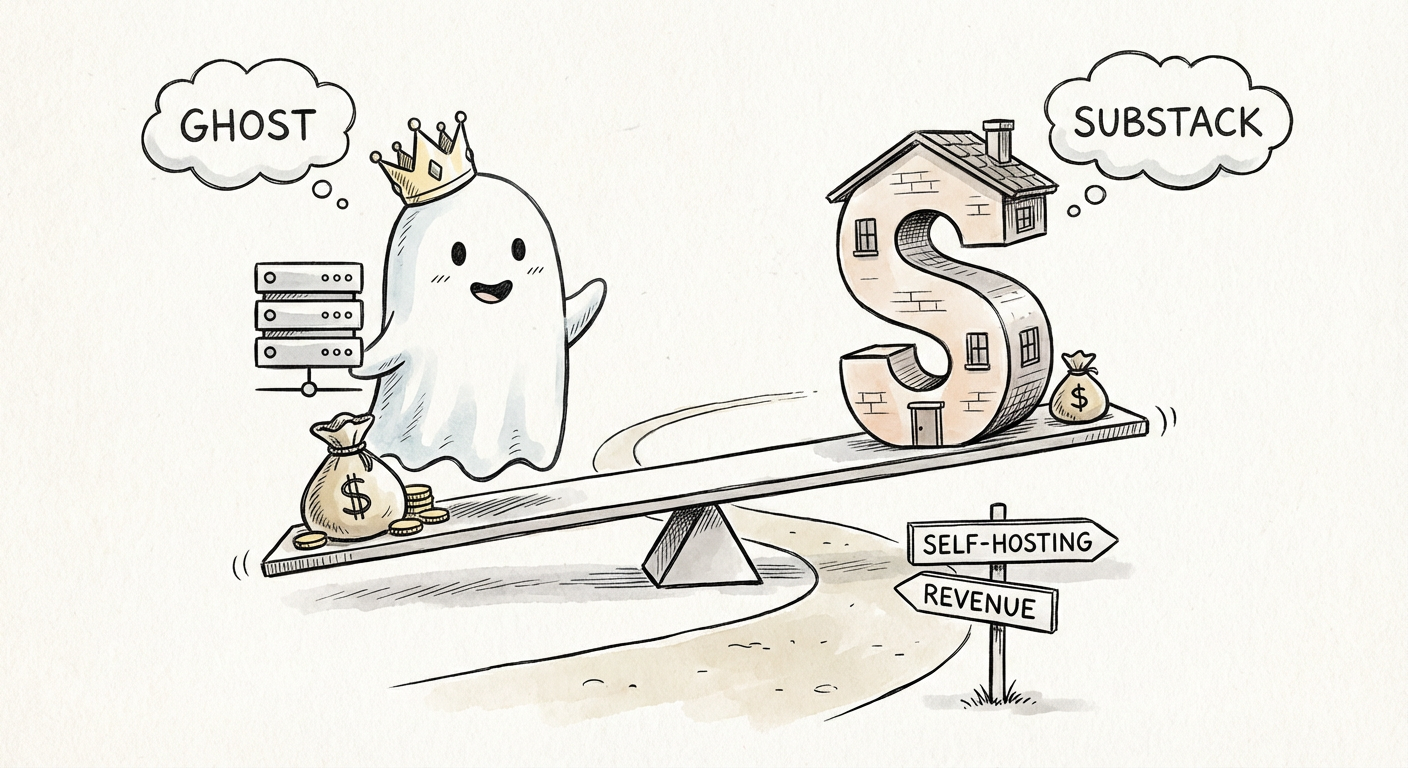
While Substack dominates newsletter conversations, alternatives like the Ghost publishing platform compete by offering different value propositions around revenue sharing and hosting options. Ghost appeals to writers who prefer greater control over their publishing infrastructure, allowing self-hosting while providing professional newsletter tools. This competition benefits writers by expanding their options and pressuring platforms to improve terms and features.

The platform choice reflects deeper questions about independence and sustainability. Writers must balance convenience against control, community features against customization options, and built-in discovery against complete ownership of their subscriber data. Each platform represents a different philosophy about the relationship between writer, technology, and reader.

These technical decisions matter because they shape the long-term viability of a writer’s direct relationship with their audience. The platform becomes part of the publishing infrastructure, and changing platforms later can prove difficult and costly in terms of subscriber retention and technical complexity.

The Future of Literary Patronage

Newsletter subscriptions are a modern form of literary patronage, where readers collectively support writers they want to continue hearing from. This model returns economic power to the basic unit of all writing: the relationship between a person who writes and people who want to read what they write. Unlike traditional publishing, which requires writers to appeal to editors and publishers who guess at reader preferences, newsletters allow writers to build direct evidence of reader interest and willingness to pay.

The subscription model also changes how writers approach their craft. Knowing that subscribers can cancel at any time creates pressure for consistent quality, but it also allows for experimentation and evolution. Writers can test different approaches, explore developing interests, and grow their voice over time while maintaining their core audience.

This direct funding model particularly benefits writers whose work might not fit traditional publishing categories or whose audience, while passionate, is too small for conventional publishing economics. The newsletter economy allows niche voices to find sustainable support from dedicated readers who value exactly what makes those voices distinctive.

As this ecosystem continues developing, it offers writers something increasingly rare: the possibility of building sustainable creative careers through direct reader support. The question for each writer becomes not whether to participate, but how to approach this opportunity with the same attention to craft and reader service that defines all good writing.

The Novel in Translation: How Global Voices Are Reshaping Literary Fiction

The Changing Geography of Literary Success

The modern literary world looks like one massive translation project, where stories cross borders not just through language but through completely new ways of being found and sold. Social media platforms now drive more than a fifth of fiction purchases at major publishing houses. This changes everything about how readers find books. It’s more than marketing evolution. It shows how stories themselves move through culture differently now, similar to how translation carries meaning across languages.

The Novel in Translation: How Global Voices Are Reshaping Literary Fiction

It works just like when a novel travels from its original language into another culture. Translators have to balance staying true to the source with making it readable. Publishers now face the same dilemma: keeping literary integrity while adapting to platforms where fifteen-second videos decide a book’s fate. The Literary Hub book culture world increasingly grapples with this tension, as serious literature fights for attention alongside genre fiction and popular reads.

This democratized literary discovery changes how we think about the novel’s place in culture. When readers discover Clarice Lispector through the same algorithm that suggests romance novels, the line between high and popular literature blurs in ways that seemed impossible ten years ago. Translation becomes about moving between languages, but also between different cultural spaces and what readers expect.

Illustration for The Novel in Translation: How Global Voices Are Reshaping Literary Fiction

The Economics of Literary Risk in a Consolidated Market

Publishing houses have gotten much more cautious about debut literary fiction. First-time novelists face smaller advance offers as industry consolidation makes everyone less willing to take risks. This economic reality mirrors what happens with literary translation, where publishers have always seen translated works as risky investments. Both debut literary fiction and translated literature sit in similar spots in the publishing world, products that need nurturing and patience rather than quick commercial returns.

Here’s where it gets weird: in genre fiction, self-published authors often out-earn their traditionally published peers. This happens partly because genre fiction has a clearer relationship with what readers want. Genre works function like skilled translations of familiar story patterns, delivering recognizable pleasures in new packages. Literary fiction, though, reaches for the untranslatable, experiences that resist easy labels or quick understanding.

Publishers face a basic translation problem: how to explain the value of literary ambition to a market increasingly run by algorithmic recommendations and instant gratification. Publishers Weekly industry news coverage shows an industry wrestling with questions that go way beyond business strategy into the core of how literary value gets created and recognized.

Retail Renaissance and the Physical Book’s Stubborn Appeal

The bookstore world has seen an unexpected comeback. Major chains are adding dozens of new locations after years of predicted doom. This revival reveals something deep about the relationship between physical books and literary culture that resists digital translation. Browsing a bookstore involves serendipitous discovery that algorithms can’t fully copy, much like reading literature in its original language provides layers of meaning that even excellent translation can’t completely preserve.

The physical book’s survival points to literature’s embodied nature. Novels exist not just as information to transmit but as objects that carry cultural weight through their physical presence. Finding a translated work on a bookstore shelf feels different from discovering it through a digital recommendation. The physical book allows for the patient, sustained attention that literary fiction demands, while digital platforms often favor rapid consumption that works against literature’s deeper rhythms.

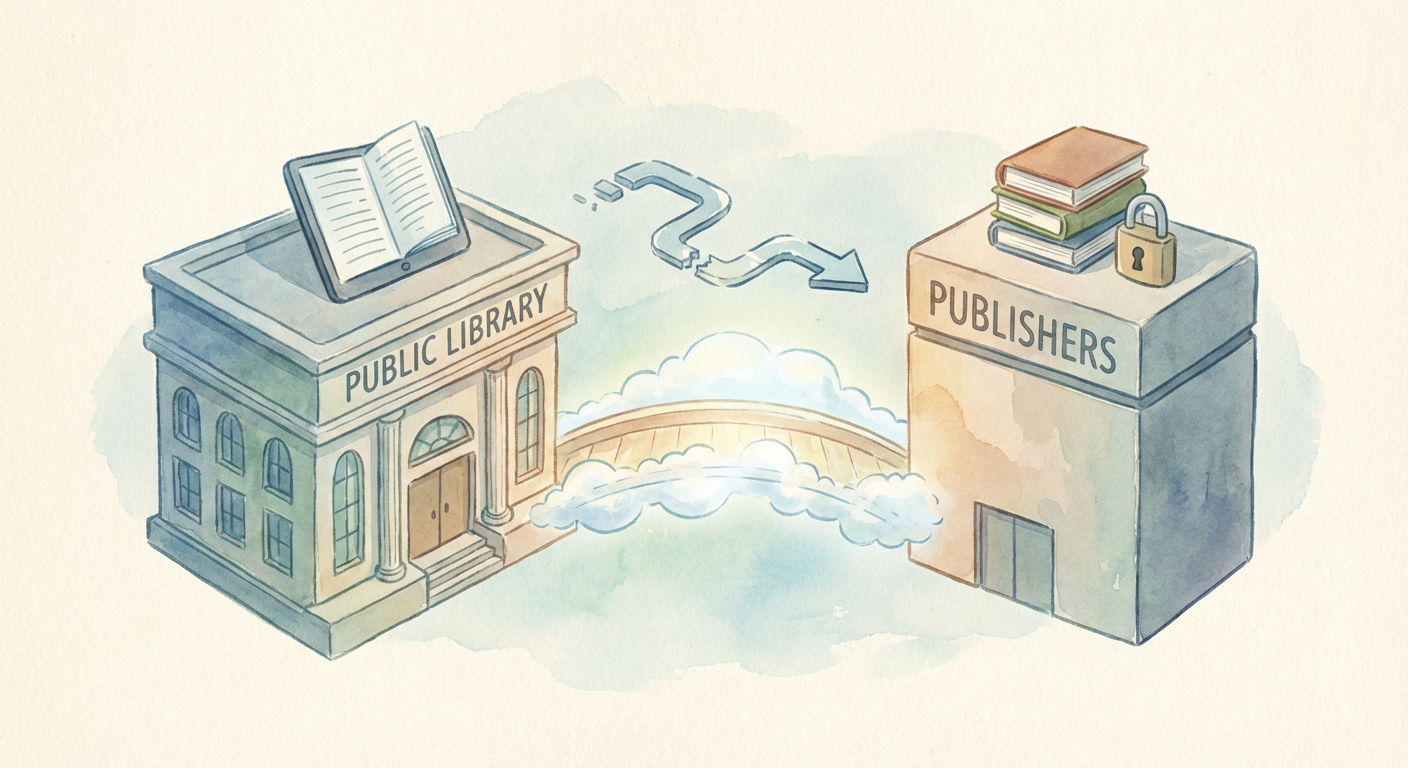
This revival happens alongside ongoing fights between publishers and libraries over digital lending rights, conflicts that have gotten worse since 2020. These disputes reveal basic questions about how literary culture adapts to digital distribution while preserving the economic structures that support serious fiction. Libraries have always been crucial spaces for literary discovery, especially for translated works that might otherwise lack commercial visibility.

The Homogenization Problem in Literary Recognition

Literary prize culture faces growing criticism for producing increasingly uniform prize-worthy fiction. This problem looks a lot like issues in literary translation. Just as translation can sometimes flatten a work’s distinctive voice into a more palatable, internationally readable style, prize culture may be pushing writers toward a particular register of literary seriousness that travels well across cultures but sacrifices local specificity and individual voice.

This creates a paradox for contemporary literary fiction. While the novel form has never been more global or diverse in terms of who’s writing, the aesthetic criteria for literary recognition may be getting narrower. Prize committees, like translators, face the challenge of making works accessible to broad audiences while preserving what makes them distinctive and valuable. The resulting tension shapes not just which books get recognized but how they get written in the first place.

The problem goes beyond individual prizes to the broader infrastructure of literary culture. When similar aesthetic values dominate prestigious awards across different countries and languages, the global literary conversation may become less rich and varied than its apparent diversity suggests. This is a failure of cultural translation at the institutional level, where the mechanisms for recognizing literary excellence accidentally limit the forms that excellence can take.

Toward a More Capacious Literary Culture

This moment in literary fiction demands the same creative flexibility that characterizes the best literary translation. Instead of seeing social media discovery, economic pressures, and changing reading habits as threats to serious literature, we might view them as new contexts that require thoughtful adaptation. The most successful literary translators understand that staying true to a source text requires strategic departures from its surface features. Similarly, preserving what matters most about literary fiction may require accepting significant changes in how it reaches readers and sustains itself economically.

The novel’s future likely depends on developing more sophisticated approaches to these translation challenges. This means creating space for literary fiction that can thrive across different discovery mechanisms while maintaining its capacity to surprise and challenge readers. It means supporting economic models that value literary innovation alongside commercial viability. Most importantly, it means recognizing that literary culture’s health depends not on preserving existing forms unchanged but on ensuring they continue to evolve in ways that serve their deepest purposes.

How do you see contemporary literary fiction navigating these challenges in your own reading experience? The conversation around literature’s future benefits from voices across the entire spectrum of literary engagement, from casual readers to industry professionals to scholars of comparative literature.

The Self-Publishing Economics of 2026: What the Numbers Really Tell Us

The Revenue Revolution That Traditional Publishing Can’t Ignore

The financial side of book publishing has changed so dramatically that it would make even seasoned industry veterans dizzy. Independent authors now earn royalty rates between 35 and 70 percent on major platforms, while their traditionally published counterparts still get the industry standard of 10 to 15 percent. This isn’t just about numbers. It’s a complete restructuring of how money flows from reader to writer.

The math gets even more interesting when you look at specific genres. Romance and thriller authors who went the self-publishing route regularly report annual incomes in the six-figure range. These aren’t outliers or unicorn success stories. They’re a growing group of professional writers who figured out how to treat their craft as both art and business. The Alliance of Independent Authors has tracked this trend extensively, showing how smart publishing choices can transform a writing hobby into a real career.

What makes these numbers really striking is how consistent they are across different markets and reader groups. The traditional gatekeeping model, which used to decide which voices reached readers, has been replaced by direct market validation. Authors succeed or fail based on their ability to connect with audiences, not their skill at navigating publishing house politics.

The Audio Revolution and Rights Management

Audio rights have become just as valuable as print rights for successful independent authors, creating dual revenue streams that traditional contracts often bundle together in ways that don’t favor the author. This reflects changing consumption habits, but more importantly, it shows how independent authors can keep control over multiple format rights that big publishers typically grab.

The technical barriers that once made audiobook production impossibly expensive have mostly disappeared. Professional-quality recording equipment costs less than a month’s rent in most cities. Narrators, editors, and producers offer services at every price point. The Reedsy self-publishing guide gives authors comprehensive resources for navigating these production decisions, from budget considerations to quality standards.

Smart independent authors now treat audiobook rights as a separate revenue stream that needs its own marketing strategy and audience development. This approach often generates higher lifetime value per title than traditional publishing models, where audio rights disappear into complex subsidiary arrangements that rarely benefit the original creator.

Distribution Strategies in the Platform Economy

Modern distribution has solved one of self-publishing’s biggest historical problems through aggregation services that can place a single upload across more than 40 retail platforms at once. This tech solution addresses the time management nightmare that used to force authors to choose between writing and business administration.

The strategic question has shifted from “how do I get my book into stores” to “how do I optimize my presence across multiple ecosystems.” Each platform has its own algorithm, promotional opportunities, and reader behavior patterns. Success means understanding these details without getting overwhelmed by their complexity.

But the core strategic debate hasn’t changed: wide distribution versus Amazon-exclusive programs. KDP Select offers better promotional tools and higher royalty rates in exchange for platform exclusivity. Wide distribution sacrifices these benefits for broader market reach and less dependency on a single retailer. This decision shapes every subsequent marketing and pricing strategy.

Social Media Discovery and the New Gatekeepers

BookTok has completely changed fiction discovery for readers under 35, driving between 20 and 30 percent of new book discoveries in this important demographic. This is more than a marketing channel. It’s a complete reimagining of how literary recommendations move through social networks.

Traditional book marketing relied on professional reviewers, bookstore placement, and media coverage. Social media discovery works on different principles: visual appeal, emotional connection, and peer recommendation. Books succeed on these platforms based on their ability to create shareable moments rather than critical acclaim or industry recognition.

Independent authors often adapt faster to these environments because they’re not stuck with corporate marketing strategies or brand guidelines. They can experiment with content, talk directly with readers, and change their approach based on real-time feedback. This flexibility is a competitive advantage that larger organizations struggle to match.

The Economics of Creative Independence

The financial models behind independent publishing have evolved beyond simple revenue calculations. Successful authors now think in terms of lifetime customer value, cross-platform brand building, and diversified income streams. Writing becomes one piece of a broader creative business that might include courses, speaking engagements, consulting, or licensed content.

This approach requires skills that traditional publishing never demanded from authors. Writers must understand market segmentation, pricing psychology, social media algorithms, and customer retention strategies. The learning curve is steep, but the potential rewards justify the investment for authors willing to tackle the business side of their craft.

The most successful independent authors treat their publishing career as a translation project: converting creative vision into market reality while keeping the artistic integrity that makes their work distinctive. This balance requires constant negotiation between commercial viability and creative authenticity.

These economic realities keep evolving as technology advances and reader habits shift. Authors considering the independent path should research current market conditions, connect with successful peers, and develop strategies that align with their creative goals and financial needs. The numbers tell a compelling story, but individual success depends on execution, persistence, and adaptability in an increasingly complex publishing world.

The Novel’s New Geography: Navigating Literary Fiction in the Age of Algorithms

Where Stories Find Their Readers

The literary world has flipped upside down, and honestly, we’re all still figuring out how to navigate it. Social media platforms now drive over a fifth of fiction sales across major publishing houses, completely changing how novels reach readers. This isn’t just about marketing budgets shifting from print ads to influencer partnerships. It’s a massive change in who decides what stories deserve attention.

The Novel's New Geography: Navigating Literary Fiction in the Age of Algorithms
The Novel’s New Geography: Navigating Literary Fiction in the Age of Algorithms

BookTok creators, many of them teenagers and young adults, have become the new tastemakers for millions of readers. Their sixty-second recommendations pack more punch than established review outlets. The algorithm loves emotional hits over literary complexity. Books that look good on camera, that you can explain in a snappy caption, that make people feel something fast, these are the novels exploding right now.

But here’s the thing: this shake-up of the old literary gatekeeping system brings some real surprises. Diverse voices that traditional publishing might have ignored are finding devoted readers. Romance bleeds into literary fiction, fantasy tackles social issues. The whole debate about what counts as “serious” literature has moved way beyond stuffy academic circles into bedrooms and coffee shops everywhere.

The Economics of Literary Risk

Publishers have clamped down hard on debut fiction advances as the market gets shakier. Those generous investments in unknown literary voices? Pretty much extinct. Publishing houses, dealing with corporate overlords and demands for quick profits, play it safe now. It’s a vicious cycle where new voices can’t break through while established authors hoard most of the resources.

Here’s what really gets me: independent authors writing genre fiction often make more money than their traditionally published peers. They keep bigger chunks of their sales, pivot quickly when readers want something different, and actually talk to their audiences. Meanwhile, literary fiction writers jump through endless hoops that might not even lead to real exposure or decent pay.

This reality is forcing aspiring literary novelists to get creative. Some try hybrid approaches, self-publishing first to build audiences before chasing traditional contracts. Others question whether traditional publishing’s fancy reputation is worth the shrinking paychecks. The Literary Hub book culture captures these tensions as writers wrestle with what success even means anymore.

The Institutional Response

Barnes and Noble’s comeback under new management gives me hope for physical book culture. Adding thirty new stores shows real confidence in actual bookstores. These spaces matter for literary fiction discovery, letting readers stumble onto books they’d never find through algorithm suggestions.

Independent bookstores keep fighting the good fight for literary fiction through personal recommendations and smart displays. Their staff picks carry serious weight with readers who want quality over viral fame. These stores build real communities around literature, hosting readings and discussions that go way deeper than just buying and consuming books.

But the ongoing war between publishers and libraries over digital lending rights threatens another key discovery channel. Since 2020, things have gotten ugly as publishers restrict library e-book access because they’re worried about lost sales. This battle hits literary fiction especially hard since it depends on library circulation to reach readers who might not buy experimental or challenging work.

The Prize Culture Problem

Literary awards, once reliable quality markers, face growing heat for pushing cookie-cutter fiction. Prize culture has created recognizable patterns in winning novels, making people wonder if awards actually recognize great literature or just trendy aesthetic choices. Publishers increasingly game their submissions to match what they think prize committees want, which might be killing real innovation.

This sameness goes beyond individual prizes to create what critics call “prize fiction,” novels that seem engineered to win awards rather than challenge readers or break new artistic ground. The result reinforces certain styles and themes while pushing others to the margins, potentially shrinking literary fiction’s creative possibilities.

This has sparked fights about whether prizes should actively diversify their picks or stick with existing standards. Some say changing selection criteria compromises artistic integrity, while others argue current systems just keep excluding people. These arguments reflect bigger questions about who gets to decide literary value and how cultural institutions adapt to changing demographics and perspectives.

Charting the Path Forward

The novel’s future isn’t about picking sides between traditional and digital, old guard and newcomers. It’s about finding the sweet spot. The best literary fiction today mixes artistic ambition with readable storytelling, serious themes with compelling narratives. Authors who get both classical literary techniques and modern communication are the ones making it work.

Publishers need to balance commercial pressure with their responsibility to nurture literary culture. This might mean accepting smaller immediate returns on debut fiction while building long-term author relationships. It could mean embracing digital marketing without ditching the deeper editorial relationships that help literary writers grow their skills.

Readers have skin in this game too. We need to seek out challenging literature alongside our algorithm-fed entertainment. The best literary culture happens when readers actively explore beyond their comfort zones, supporting both familiar voices and fresh talent. Publishers Weekly industry news consistently shows that engaged readers create sustainable markets for diverse literary fiction.

This conversation about literary fiction’s future needs to keep going across all these platforms and communities. What novels are you finding that push conventional boundaries? How do you balance accessibility with artistic ambition in your reading? Literary culture’s health depends on curious readers, risk-taking publishers, and writers who refuse to choose between artistic integrity and connecting with audiences. I’d love to hear your thoughts on how we might better support the literary fiction that shapes how we understand human experience.