The Algorithm’s Pen: How AI Writing Tools Are Redrawing the Author’s Map

The New Writing Room

The numbers tell a story of rapid adoption that would make any publishing phenomenon envious. By early 2025, ChatGPT had attracted over 200 million weekly users, moving from tech curiosity to household utility in record time. For authors, this isn’t just another digital tool entering their workspace. It’s a fundamental change in how stories get told, drafted, and refined.

Fiction writers have flocked to specialized platforms like Sudowrite and Novelcrafter, tools designed specifically for narrative construction rather than general text generation. These applications understand story structure, character development, and genre conventions in ways that generic AI assistants can’t match. The appeal is clear: some authors report cutting their first-draft timeline by 30 to 60 percent when they bring AI into their process.

But this efficiency comes with messy complications that go way beyond individual writing habits. The publishing world is scrambling to adapt to a technology that challenges basic assumptions about authorship, creativity, and literary value. Every genre faces these questions differently, but none can ignore them completely.

Genre Boundaries Under Pressure

Romance writers who embrace AI tools often focus on plot generation and character relationship mapping, areas where formula and reader expectations create clear parameters. The genre’s commercial nature and established tropes provide natural guardrails for AI assistance. Mystery authors use these tools differently, turning to them for red herring development and timeline consistency checks across complex narratives.

Literary fiction is a more complex case study. Authors in this space have the strongest resistance to AI assistance, viewing the technology as completely opposed to the personal voice and unique perspective that defines their work. Yet some experimental writers are exploring AI as a collaborative partner, much like previous generations used found text or chance operations in their creative process.

Science fiction and fantasy authors occupy middle ground, comfortable with technological innovation but protective of world-building integrity. These genres show how AI tools can excel at consistency tracking across complex fictional universes while struggling with the imaginative leaps that define speculative fiction at its best. The constraints each genre imposes shape how AI assistance actually works in practice.

The Legal and Ethical Minefield

Behind the creative applications lies a brewing legal storm that threatens to reshape the entire field. The Authors Guild advocacy efforts include high-profile class-action suits against OpenAI and Google, challenging these companies’ use of copyrighted works as training data without permission or compensation.

These legal battles raise questions that go beyond simple copyright infringement. If AI systems learn from millions of books to generate new text, what is fair use versus theft? How do we value the labor of writers whose work trained these systems? The answers will determine whether AI writing tools represent collaborative enhancement or exploitative automation.

Publishers are implementing their own safeguards as the legal mess remains unsettled. Kindle Direct Publishing now requires disclosure for AI-generated content, forcing authors to navigate new transparency requirements. This policy shift acknowledges what many in publishing already suspected: AI-generated books were flooding digital marketplaces, often without readers knowing.

Reader Detection and Market Response

Readers have developed surprisingly sophisticated abilities to identify AI-generated prose. Online forums buzz with discussions of telltale patterns: repetitive sentence structures, overly polished dialogue that lacks human irregularity, and plot developments that follow predictable algorithmic paths. This reader awareness has created a backlash against undisclosed AI use, with some authors facing serious criticism when their AI assistance comes to light.

The market response varies dramatically by genre and platform. Self-published romance on digital platforms shows more tolerance for AI assistance, especially when authors are transparent about their process. Traditional literary markets remain largely resistant, with many publications explicitly requiring human-only submissions. This creates a split landscape where AI acceptance depends heavily on context and audience expectations.

Professional publishing guidance, including insights from industry experts like those featured in Jane Friedman publishing advice, emphasizes transparency and intentional use rather than wholesale rejection of these tools. The focus shifts from whether to use AI toward how to use it responsibly and effectively.

Redefining the Author’s Craft

Perhaps the biggest change AI brings to authorship is expanding what writing means. Traditional writing emphasized generating original text from blank page to finished manuscript. AI tools introduce a model where writing becomes more curatorial and editorial, focusing on direction, refinement, and creative decision-making rather than pure text production.

This shift challenges romantic notions of the solitary author wrestling with inspiration, but it also opens possibilities for writers who struggle with specific aspects of the craft. An author with brilliant ideas but weak dialogue skills can now use AI for conversation drafts while maintaining creative control over character development and thematic content. The tools become enablers rather than replacements.

Looking across genres reveals that different forms of writing may require different relationships with AI assistance. Technical writing and content marketing have already embraced these tools with minimal controversy. Creative writing faces more resistance, but even here, the boundaries continue to shift as authors experiment with hybrid approaches that preserve human creativity while using algorithmic efficiency.

The future likely belongs not to authors who reject AI entirely nor to those who rely on it completely, but to writers who develop sophisticated understanding of when and how these tools enhance their particular creative process. As the technology matures and the legal framework solidifies, we may discover that AI writing tools change not what stories get told, but how efficiently and effectively authors can tell them. What aspects of this technological shift do you find most compelling or concerning in your own writing practice?

The Newsletter Renaissance: How Writers Are Reclaiming Direct Reader Relationships

The Intimate Economics of Email

While algorithms decide which voices reach which audiences, writers have found something surprisingly powerful hiding in plain sight: the email newsletter. What started as a basic communication tool has become a sophisticated publishing ecosystem. The Substack platform alone now hosts more than thirty-five million active subscribers across seventeen thousand paid publications. This isn’t just a trend. It’s a fundamental shift in how literary culture pays for itself.

The Newsletter Renaissance: How Writers Are Reclaiming Direct Reader Relationships

The numbers reveal how hungry readers are for unmediated connection with writers. When readers choose to receive an author’s words directly in their inbox, they’re making a deliberate decision to prioritize that voice above the noise of social media feeds and algorithmic recommendations. This direct relationship creates something rare in our fragmented attention economy: reliable, recurring engagement between writer and reader.

Think about the sentence as the basic unit of this new economy. Each newsletter is a collection of carefully chosen sentences, delivered not to anonymous masses but to individuals who explicitly requested them. The writer knows their words will arrive in the most personal digital space, the inbox, where they compete not with endless scroll but with messages from friends, family, and colleagues.

Liberation from Platform Dependency

For decades, writers built their audiences on platforms they didn’t control, subject to sudden policy changes, algorithm adjustments, and corporate whims. The newsletter economy offers something different: ownership of the relationship itself. When a writer maintains an email list, they have a direct channel to their readers that can’t be throttled by engagement metrics or eliminated by platform changes.

This shift is more than tactical advantage. It’s a philosophical return to the basic compact between writer and reader. The subscription model requires readers to make an active choice, repeatedly, to engage with a particular voice. Writers must earn this attention not through viral moments or algorithmic favor, but through consistent delivery of value, insight, and craft.

Email list ownership has become the primary hedge against algorithmic dependency, offering writers a form of reader relationship insurance. While social media followers might see only a fraction of posts due to platform algorithms, newsletter subscribers receive every issue directly. This reliability transforms the writer-reader dynamic from lottery to contract.

The Million-Dollar Question

The most successful newsletter writers now earn more than one million dollars annually from subscription revenue alone. These figures are more than entrepreneurial success stories. They prove that readers will pay directly for writing they value when given the opportunity and the right delivery mechanism.

But these top earners reveal only part of the story. Most newsletter writers earn modest supplemental income, and the economics require careful attention to both acquisition and retention. Monthly churn rates average between five and eight percent for paid newsletters, meaning writers must constantly attract new subscribers to maintain steady revenue. This churn rate reflects the competition for reader attention and the ongoing challenge of providing consistent value.

The conversion metrics offer insight into reader behavior patterns. Established writers typically convert between three and seven percent of free subscribers to paid subscriptions. These percentages might seem modest, but they represent readers making deliberate financial commitments to support specific voices. Each paid subscriber becomes not just a revenue source but a stakeholder in the writer’s continued work.

Platform Competition and Writer Choice

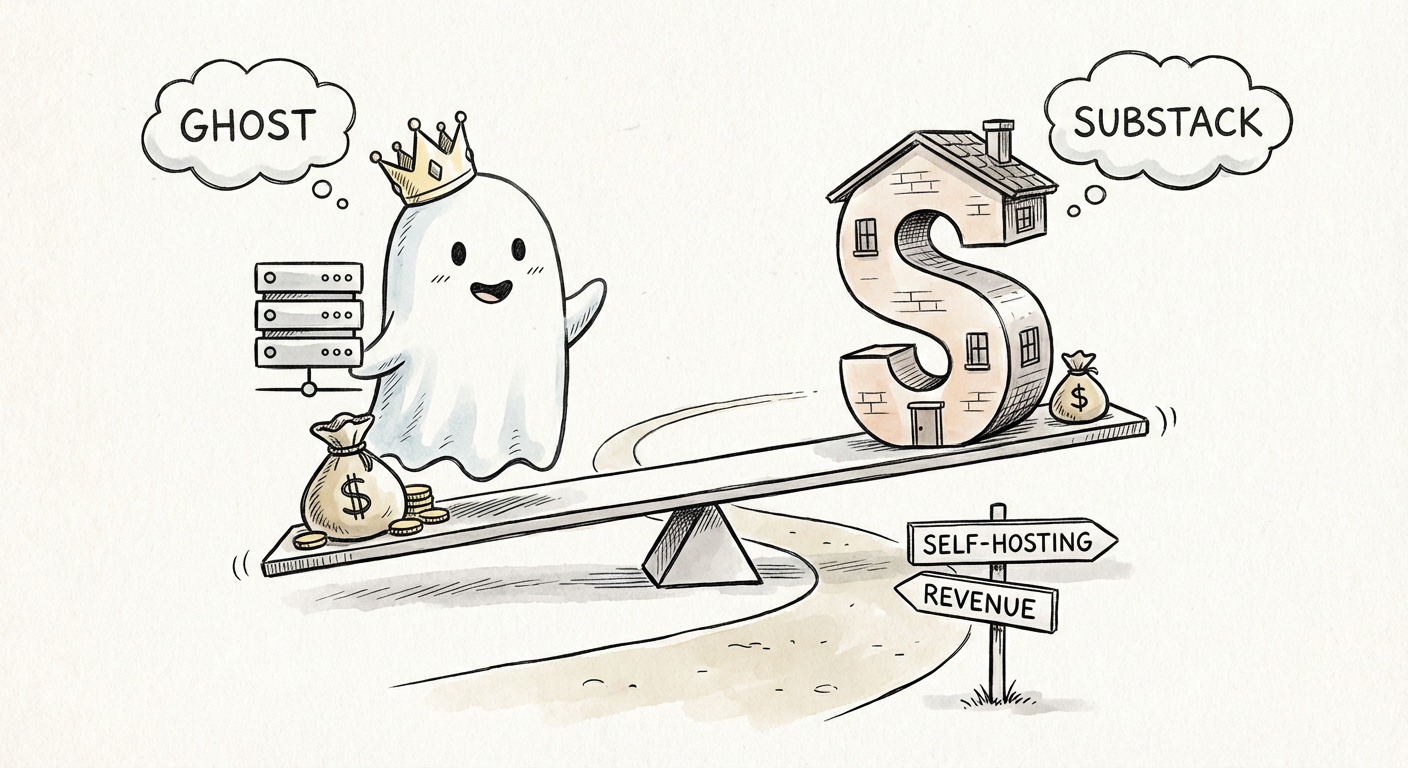
While Substack dominates newsletter conversations, alternatives like the Ghost publishing platform compete by offering different value propositions around revenue sharing and hosting options. Ghost appeals to writers who prefer greater control over their publishing infrastructure, allowing self-hosting while providing professional newsletter tools. This competition benefits writers by expanding their options and pressuring platforms to improve terms and features.

The platform choice reflects deeper questions about independence and sustainability. Writers must balance convenience against control, community features against customization options, and built-in discovery against complete ownership of their subscriber data. Each platform represents a different philosophy about the relationship between writer, technology, and reader.

These technical decisions matter because they shape the long-term viability of a writer’s direct relationship with their audience. The platform becomes part of the publishing infrastructure, and changing platforms later can prove difficult and costly in terms of subscriber retention and technical complexity.

The Future of Literary Patronage

Newsletter subscriptions are a modern form of literary patronage, where readers collectively support writers they want to continue hearing from. This model returns economic power to the basic unit of all writing: the relationship between a person who writes and people who want to read what they write. Unlike traditional publishing, which requires writers to appeal to editors and publishers who guess at reader preferences, newsletters allow writers to build direct evidence of reader interest and willingness to pay.

The subscription model also changes how writers approach their craft. Knowing that subscribers can cancel at any time creates pressure for consistent quality, but it also allows for experimentation and evolution. Writers can test different approaches, explore developing interests, and grow their voice over time while maintaining their core audience.

This direct funding model particularly benefits writers whose work might not fit traditional publishing categories or whose audience, while passionate, is too small for conventional publishing economics. The newsletter economy allows niche voices to find sustainable support from dedicated readers who value exactly what makes those voices distinctive.

As this ecosystem continues developing, it offers writers something increasingly rare: the possibility of building sustainable creative careers through direct reader support. The question for each writer becomes not whether to participate, but how to approach this opportunity with the same attention to craft and reader service that defines all good writing.

The Novel in Translation: How Global Voices Are Reshaping Literary Fiction

The Changing Geography of Literary Success

The modern literary world looks like one massive translation project, where stories cross borders not just through language but through completely new ways of being found and sold. Social media platforms now drive more than a fifth of fiction purchases at major publishing houses. This changes everything about how readers find books. It’s more than marketing evolution. It shows how stories themselves move through culture differently now, similar to how translation carries meaning across languages.

The Novel in Translation: How Global Voices Are Reshaping Literary Fiction

It works just like when a novel travels from its original language into another culture. Translators have to balance staying true to the source with making it readable. Publishers now face the same dilemma: keeping literary integrity while adapting to platforms where fifteen-second videos decide a book’s fate. The Literary Hub book culture world increasingly grapples with this tension, as serious literature fights for attention alongside genre fiction and popular reads.

This democratized literary discovery changes how we think about the novel’s place in culture. When readers discover Clarice Lispector through the same algorithm that suggests romance novels, the line between high and popular literature blurs in ways that seemed impossible ten years ago. Translation becomes about moving between languages, but also between different cultural spaces and what readers expect.

Illustration for The Novel in Translation: How Global Voices Are Reshaping Literary Fiction

The Economics of Literary Risk in a Consolidated Market

Publishing houses have gotten much more cautious about debut literary fiction. First-time novelists face smaller advance offers as industry consolidation makes everyone less willing to take risks. This economic reality mirrors what happens with literary translation, where publishers have always seen translated works as risky investments. Both debut literary fiction and translated literature sit in similar spots in the publishing world, products that need nurturing and patience rather than quick commercial returns.

Here’s where it gets weird: in genre fiction, self-published authors often out-earn their traditionally published peers. This happens partly because genre fiction has a clearer relationship with what readers want. Genre works function like skilled translations of familiar story patterns, delivering recognizable pleasures in new packages. Literary fiction, though, reaches for the untranslatable, experiences that resist easy labels or quick understanding.

Publishers face a basic translation problem: how to explain the value of literary ambition to a market increasingly run by algorithmic recommendations and instant gratification. Publishers Weekly industry news coverage shows an industry wrestling with questions that go way beyond business strategy into the core of how literary value gets created and recognized.

Retail Renaissance and the Physical Book’s Stubborn Appeal

The bookstore world has seen an unexpected comeback. Major chains are adding dozens of new locations after years of predicted doom. This revival reveals something deep about the relationship between physical books and literary culture that resists digital translation. Browsing a bookstore involves serendipitous discovery that algorithms can’t fully copy, much like reading literature in its original language provides layers of meaning that even excellent translation can’t completely preserve.

The physical book’s survival points to literature’s embodied nature. Novels exist not just as information to transmit but as objects that carry cultural weight through their physical presence. Finding a translated work on a bookstore shelf feels different from discovering it through a digital recommendation. The physical book allows for the patient, sustained attention that literary fiction demands, while digital platforms often favor rapid consumption that works against literature’s deeper rhythms.

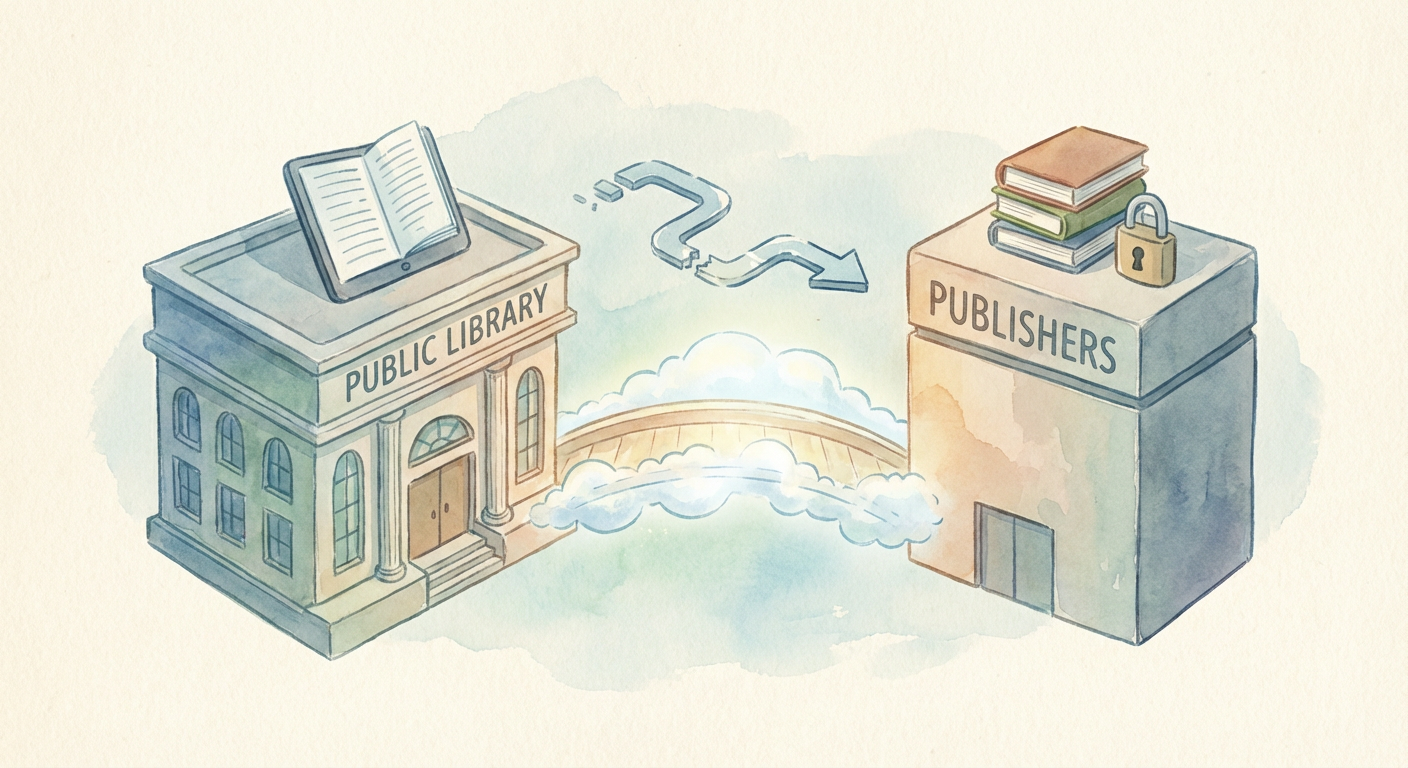
This revival happens alongside ongoing fights between publishers and libraries over digital lending rights, conflicts that have gotten worse since 2020. These disputes reveal basic questions about how literary culture adapts to digital distribution while preserving the economic structures that support serious fiction. Libraries have always been crucial spaces for literary discovery, especially for translated works that might otherwise lack commercial visibility.

The Homogenization Problem in Literary Recognition

Literary prize culture faces growing criticism for producing increasingly uniform prize-worthy fiction. This problem looks a lot like issues in literary translation. Just as translation can sometimes flatten a work’s distinctive voice into a more palatable, internationally readable style, prize culture may be pushing writers toward a particular register of literary seriousness that travels well across cultures but sacrifices local specificity and individual voice.

This creates a paradox for contemporary literary fiction. While the novel form has never been more global or diverse in terms of who’s writing, the aesthetic criteria for literary recognition may be getting narrower. Prize committees, like translators, face the challenge of making works accessible to broad audiences while preserving what makes them distinctive and valuable. The resulting tension shapes not just which books get recognized but how they get written in the first place.

The problem goes beyond individual prizes to the broader infrastructure of literary culture. When similar aesthetic values dominate prestigious awards across different countries and languages, the global literary conversation may become less rich and varied than its apparent diversity suggests. This is a failure of cultural translation at the institutional level, where the mechanisms for recognizing literary excellence accidentally limit the forms that excellence can take.

Toward a More Capacious Literary Culture

This moment in literary fiction demands the same creative flexibility that characterizes the best literary translation. Instead of seeing social media discovery, economic pressures, and changing reading habits as threats to serious literature, we might view them as new contexts that require thoughtful adaptation. The most successful literary translators understand that staying true to a source text requires strategic departures from its surface features. Similarly, preserving what matters most about literary fiction may require accepting significant changes in how it reaches readers and sustains itself economically.

The novel’s future likely depends on developing more sophisticated approaches to these translation challenges. This means creating space for literary fiction that can thrive across different discovery mechanisms while maintaining its capacity to surprise and challenge readers. It means supporting economic models that value literary innovation alongside commercial viability. Most importantly, it means recognizing that literary culture’s health depends not on preserving existing forms unchanged but on ensuring they continue to evolve in ways that serve their deepest purposes.

How do you see contemporary literary fiction navigating these challenges in your own reading experience? The conversation around literature’s future benefits from voices across the entire spectrum of literary engagement, from casual readers to industry professionals to scholars of comparative literature.

The Self-Publishing Economics of 2026: What the Numbers Really Tell Us

The Revenue Revolution That Traditional Publishing Can’t Ignore

The financial side of book publishing has changed so dramatically that it would make even seasoned industry veterans dizzy. Independent authors now earn royalty rates between 35 and 70 percent on major platforms, while their traditionally published counterparts still get the industry standard of 10 to 15 percent. This isn’t just about numbers. It’s a complete restructuring of how money flows from reader to writer.

The math gets even more interesting when you look at specific genres. Romance and thriller authors who went the self-publishing route regularly report annual incomes in the six-figure range. These aren’t outliers or unicorn success stories. They’re a growing group of professional writers who figured out how to treat their craft as both art and business. The Alliance of Independent Authors has tracked this trend extensively, showing how smart publishing choices can transform a writing hobby into a real career.

What makes these numbers really striking is how consistent they are across different markets and reader groups. The traditional gatekeeping model, which used to decide which voices reached readers, has been replaced by direct market validation. Authors succeed or fail based on their ability to connect with audiences, not their skill at navigating publishing house politics.

The Audio Revolution and Rights Management

Audio rights have become just as valuable as print rights for successful independent authors, creating dual revenue streams that traditional contracts often bundle together in ways that don’t favor the author. This reflects changing consumption habits, but more importantly, it shows how independent authors can keep control over multiple format rights that big publishers typically grab.

The technical barriers that once made audiobook production impossibly expensive have mostly disappeared. Professional-quality recording equipment costs less than a month’s rent in most cities. Narrators, editors, and producers offer services at every price point. The Reedsy self-publishing guide gives authors comprehensive resources for navigating these production decisions, from budget considerations to quality standards.

Smart independent authors now treat audiobook rights as a separate revenue stream that needs its own marketing strategy and audience development. This approach often generates higher lifetime value per title than traditional publishing models, where audio rights disappear into complex subsidiary arrangements that rarely benefit the original creator.

Distribution Strategies in the Platform Economy

Modern distribution has solved one of self-publishing’s biggest historical problems through aggregation services that can place a single upload across more than 40 retail platforms at once. This tech solution addresses the time management nightmare that used to force authors to choose between writing and business administration.

The strategic question has shifted from “how do I get my book into stores” to “how do I optimize my presence across multiple ecosystems.” Each platform has its own algorithm, promotional opportunities, and reader behavior patterns. Success means understanding these details without getting overwhelmed by their complexity.

But the core strategic debate hasn’t changed: wide distribution versus Amazon-exclusive programs. KDP Select offers better promotional tools and higher royalty rates in exchange for platform exclusivity. Wide distribution sacrifices these benefits for broader market reach and less dependency on a single retailer. This decision shapes every subsequent marketing and pricing strategy.

Social Media Discovery and the New Gatekeepers

BookTok has completely changed fiction discovery for readers under 35, driving between 20 and 30 percent of new book discoveries in this important demographic. This is more than a marketing channel. It’s a complete reimagining of how literary recommendations move through social networks.

Traditional book marketing relied on professional reviewers, bookstore placement, and media coverage. Social media discovery works on different principles: visual appeal, emotional connection, and peer recommendation. Books succeed on these platforms based on their ability to create shareable moments rather than critical acclaim or industry recognition.

Independent authors often adapt faster to these environments because they’re not stuck with corporate marketing strategies or brand guidelines. They can experiment with content, talk directly with readers, and change their approach based on real-time feedback. This flexibility is a competitive advantage that larger organizations struggle to match.

The Economics of Creative Independence

The financial models behind independent publishing have evolved beyond simple revenue calculations. Successful authors now think in terms of lifetime customer value, cross-platform brand building, and diversified income streams. Writing becomes one piece of a broader creative business that might include courses, speaking engagements, consulting, or licensed content.

This approach requires skills that traditional publishing never demanded from authors. Writers must understand market segmentation, pricing psychology, social media algorithms, and customer retention strategies. The learning curve is steep, but the potential rewards justify the investment for authors willing to tackle the business side of their craft.

The most successful independent authors treat their publishing career as a translation project: converting creative vision into market reality while keeping the artistic integrity that makes their work distinctive. This balance requires constant negotiation between commercial viability and creative authenticity.

These economic realities keep evolving as technology advances and reader habits shift. Authors considering the independent path should research current market conditions, connect with successful peers, and develop strategies that align with their creative goals and financial needs. The numbers tell a compelling story, but individual success depends on execution, persistence, and adaptability in an increasingly complex publishing world.

The Novel’s New Geography: Navigating Literary Fiction in the Age of Algorithms

Where Stories Find Their Readers

The literary world has flipped upside down, and honestly, we’re all still figuring out how to navigate it. Social media platforms now drive over a fifth of fiction sales across major publishing houses, completely changing how novels reach readers. This isn’t just about marketing budgets shifting from print ads to influencer partnerships. It’s a massive change in who decides what stories deserve attention.

The Novel's New Geography: Navigating Literary Fiction in the Age of Algorithms
The Novel’s New Geography: Navigating Literary Fiction in the Age of Algorithms

BookTok creators, many of them teenagers and young adults, have become the new tastemakers for millions of readers. Their sixty-second recommendations pack more punch than established review outlets. The algorithm loves emotional hits over literary complexity. Books that look good on camera, that you can explain in a snappy caption, that make people feel something fast, these are the novels exploding right now.

But here’s the thing: this shake-up of the old literary gatekeeping system brings some real surprises. Diverse voices that traditional publishing might have ignored are finding devoted readers. Romance bleeds into literary fiction, fantasy tackles social issues. The whole debate about what counts as “serious” literature has moved way beyond stuffy academic circles into bedrooms and coffee shops everywhere.

The Economics of Literary Risk

Publishers have clamped down hard on debut fiction advances as the market gets shakier. Those generous investments in unknown literary voices? Pretty much extinct. Publishing houses, dealing with corporate overlords and demands for quick profits, play it safe now. It’s a vicious cycle where new voices can’t break through while established authors hoard most of the resources.

Here’s what really gets me: independent authors writing genre fiction often make more money than their traditionally published peers. They keep bigger chunks of their sales, pivot quickly when readers want something different, and actually talk to their audiences. Meanwhile, literary fiction writers jump through endless hoops that might not even lead to real exposure or decent pay.

This reality is forcing aspiring literary novelists to get creative. Some try hybrid approaches, self-publishing first to build audiences before chasing traditional contracts. Others question whether traditional publishing’s fancy reputation is worth the shrinking paychecks. The Literary Hub book culture captures these tensions as writers wrestle with what success even means anymore.

The Institutional Response

Barnes and Noble’s comeback under new management gives me hope for physical book culture. Adding thirty new stores shows real confidence in actual bookstores. These spaces matter for literary fiction discovery, letting readers stumble onto books they’d never find through algorithm suggestions.

Independent bookstores keep fighting the good fight for literary fiction through personal recommendations and smart displays. Their staff picks carry serious weight with readers who want quality over viral fame. These stores build real communities around literature, hosting readings and discussions that go way deeper than just buying and consuming books.

But the ongoing war between publishers and libraries over digital lending rights threatens another key discovery channel. Since 2020, things have gotten ugly as publishers restrict library e-book access because they’re worried about lost sales. This battle hits literary fiction especially hard since it depends on library circulation to reach readers who might not buy experimental or challenging work.

The Prize Culture Problem

Literary awards, once reliable quality markers, face growing heat for pushing cookie-cutter fiction. Prize culture has created recognizable patterns in winning novels, making people wonder if awards actually recognize great literature or just trendy aesthetic choices. Publishers increasingly game their submissions to match what they think prize committees want, which might be killing real innovation.

This sameness goes beyond individual prizes to create what critics call “prize fiction,” novels that seem engineered to win awards rather than challenge readers or break new artistic ground. The result reinforces certain styles and themes while pushing others to the margins, potentially shrinking literary fiction’s creative possibilities.

This has sparked fights about whether prizes should actively diversify their picks or stick with existing standards. Some say changing selection criteria compromises artistic integrity, while others argue current systems just keep excluding people. These arguments reflect bigger questions about who gets to decide literary value and how cultural institutions adapt to changing demographics and perspectives.

Charting the Path Forward

The novel’s future isn’t about picking sides between traditional and digital, old guard and newcomers. It’s about finding the sweet spot. The best literary fiction today mixes artistic ambition with readable storytelling, serious themes with compelling narratives. Authors who get both classical literary techniques and modern communication are the ones making it work.

Publishers need to balance commercial pressure with their responsibility to nurture literary culture. This might mean accepting smaller immediate returns on debut fiction while building long-term author relationships. It could mean embracing digital marketing without ditching the deeper editorial relationships that help literary writers grow their skills.

Readers have skin in this game too. We need to seek out challenging literature alongside our algorithm-fed entertainment. The best literary culture happens when readers actively explore beyond their comfort zones, supporting both familiar voices and fresh talent. Publishers Weekly industry news consistently shows that engaged readers create sustainable markets for diverse literary fiction.

This conversation about literary fiction’s future needs to keep going across all these platforms and communities. What novels are you finding that push conventional boundaries? How do you balance accessibility with artistic ambition in your reading? Literary culture’s health depends on curious readers, risk-taking publishers, and writers who refuse to choose between artistic integrity and connecting with audiences. I’d love to hear your thoughts on how we might better support the literary fiction that shapes how we understand human experience.