The Self-Publishing Economics of 2026: What the Numbers Really Tell Us

The Revenue Revolution That Traditional Publishing Can’t Ignore

The financial side of book publishing has changed so dramatically that it would make even seasoned industry veterans dizzy. Independent authors now earn royalty rates between 35 and 70 percent on major platforms, while their traditionally published counterparts still get the industry standard of 10 to 15 percent. This isn’t just about numbers. It’s a complete restructuring of how money flows from reader to writer.

The math gets even more interesting when you look at specific genres. Romance and thriller authors who went the self-publishing route regularly report annual incomes in the six-figure range. These aren’t outliers or unicorn success stories. They’re a growing group of professional writers who figured out how to treat their craft as both art and business. The Alliance of Independent Authors has tracked this trend extensively, showing how smart publishing choices can transform a writing hobby into a real career.

What makes these numbers really striking is how consistent they are across different markets and reader groups. The traditional gatekeeping model, which used to decide which voices reached readers, has been replaced by direct market validation. Authors succeed or fail based on their ability to connect with audiences, not their skill at navigating publishing house politics.

The Audio Revolution and Rights Management

Audio rights have become just as valuable as print rights for successful independent authors, creating dual revenue streams that traditional contracts often bundle together in ways that don’t favor the author. This reflects changing consumption habits, but more importantly, it shows how independent authors can keep control over multiple format rights that big publishers typically grab.

The technical barriers that once made audiobook production impossibly expensive have mostly disappeared. Professional-quality recording equipment costs less than a month’s rent in most cities. Narrators, editors, and producers offer services at every price point. The Reedsy self-publishing guide gives authors comprehensive resources for navigating these production decisions, from budget considerations to quality standards.

Smart independent authors now treat audiobook rights as a separate revenue stream that needs its own marketing strategy and audience development. This approach often generates higher lifetime value per title than traditional publishing models, where audio rights disappear into complex subsidiary arrangements that rarely benefit the original creator.

Distribution Strategies in the Platform Economy

Modern distribution has solved one of self-publishing’s biggest historical problems through aggregation services that can place a single upload across more than 40 retail platforms at once. This tech solution addresses the time management nightmare that used to force authors to choose between writing and business administration.

The strategic question has shifted from “how do I get my book into stores” to “how do I optimize my presence across multiple ecosystems.” Each platform has its own algorithm, promotional opportunities, and reader behavior patterns. Success means understanding these details without getting overwhelmed by their complexity.

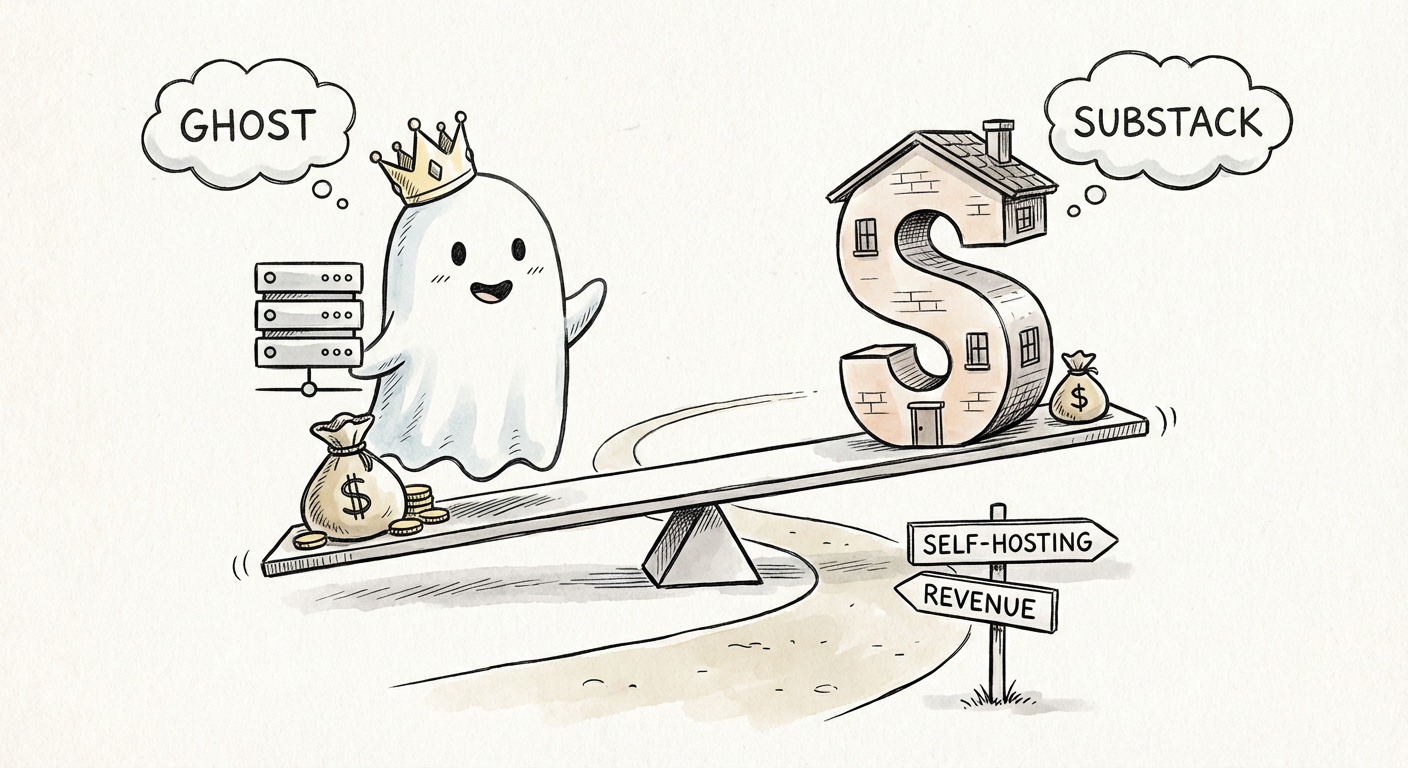
But the core strategic debate hasn’t changed: wide distribution versus Amazon-exclusive programs. KDP Select offers better promotional tools and higher royalty rates in exchange for platform exclusivity. Wide distribution sacrifices these benefits for broader market reach and less dependency on a single retailer. This decision shapes every subsequent marketing and pricing strategy.

Social Media Discovery and the New Gatekeepers

BookTok has completely changed fiction discovery for readers under 35, driving between 20 and 30 percent of new book discoveries in this important demographic. This is more than a marketing channel. It’s a complete reimagining of how literary recommendations move through social networks.

Traditional book marketing relied on professional reviewers, bookstore placement, and media coverage. Social media discovery works on different principles: visual appeal, emotional connection, and peer recommendation. Books succeed on these platforms based on their ability to create shareable moments rather than critical acclaim or industry recognition.

Independent authors often adapt faster to these environments because they’re not stuck with corporate marketing strategies or brand guidelines. They can experiment with content, talk directly with readers, and change their approach based on real-time feedback. This flexibility is a competitive advantage that larger organizations struggle to match.

The Economics of Creative Independence

The financial models behind independent publishing have evolved beyond simple revenue calculations. Successful authors now think in terms of lifetime customer value, cross-platform brand building, and diversified income streams. Writing becomes one piece of a broader creative business that might include courses, speaking engagements, consulting, or licensed content.

This approach requires skills that traditional publishing never demanded from authors. Writers must understand market segmentation, pricing psychology, social media algorithms, and customer retention strategies. The learning curve is steep, but the potential rewards justify the investment for authors willing to tackle the business side of their craft.

The most successful independent authors treat their publishing career as a translation project: converting creative vision into market reality while keeping the artistic integrity that makes their work distinctive. This balance requires constant negotiation between commercial viability and creative authenticity.

These economic realities keep evolving as technology advances and reader habits shift. Authors considering the independent path should research current market conditions, connect with successful peers, and develop strategies that align with their creative goals and financial needs. The numbers tell a compelling story, but individual success depends on execution, persistence, and adaptability in an increasingly complex publishing world.

The Novel’s New Geography: Navigating Literary Fiction in the Age of Algorithms

Where Stories Find Their Readers

The literary world has flipped upside down, and honestly, we’re all still figuring out how to navigate it. Social media platforms now drive over a fifth of fiction sales across major publishing houses, completely changing how novels reach readers. This isn’t just about marketing budgets shifting from print ads to influencer partnerships. It’s a massive change in who decides what stories deserve attention.

The Novel's New Geography: Navigating Literary Fiction in the Age of Algorithms
The Novel’s New Geography: Navigating Literary Fiction in the Age of Algorithms

BookTok creators, many of them teenagers and young adults, have become the new tastemakers for millions of readers. Their sixty-second recommendations pack more punch than established review outlets. The algorithm loves emotional hits over literary complexity. Books that look good on camera, that you can explain in a snappy caption, that make people feel something fast, these are the novels exploding right now.

But here’s the thing: this shake-up of the old literary gatekeeping system brings some real surprises. Diverse voices that traditional publishing might have ignored are finding devoted readers. Romance bleeds into literary fiction, fantasy tackles social issues. The whole debate about what counts as “serious” literature has moved way beyond stuffy academic circles into bedrooms and coffee shops everywhere.

The Economics of Literary Risk

Publishers have clamped down hard on debut fiction advances as the market gets shakier. Those generous investments in unknown literary voices? Pretty much extinct. Publishing houses, dealing with corporate overlords and demands for quick profits, play it safe now. It’s a vicious cycle where new voices can’t break through while established authors hoard most of the resources.

Here’s what really gets me: independent authors writing genre fiction often make more money than their traditionally published peers. They keep bigger chunks of their sales, pivot quickly when readers want something different, and actually talk to their audiences. Meanwhile, literary fiction writers jump through endless hoops that might not even lead to real exposure or decent pay.

This reality is forcing aspiring literary novelists to get creative. Some try hybrid approaches, self-publishing first to build audiences before chasing traditional contracts. Others question whether traditional publishing’s fancy reputation is worth the shrinking paychecks. The Literary Hub book culture captures these tensions as writers wrestle with what success even means anymore.

The Institutional Response

Barnes and Noble’s comeback under new management gives me hope for physical book culture. Adding thirty new stores shows real confidence in actual bookstores. These spaces matter for literary fiction discovery, letting readers stumble onto books they’d never find through algorithm suggestions.

Independent bookstores keep fighting the good fight for literary fiction through personal recommendations and smart displays. Their staff picks carry serious weight with readers who want quality over viral fame. These stores build real communities around literature, hosting readings and discussions that go way deeper than just buying and consuming books.

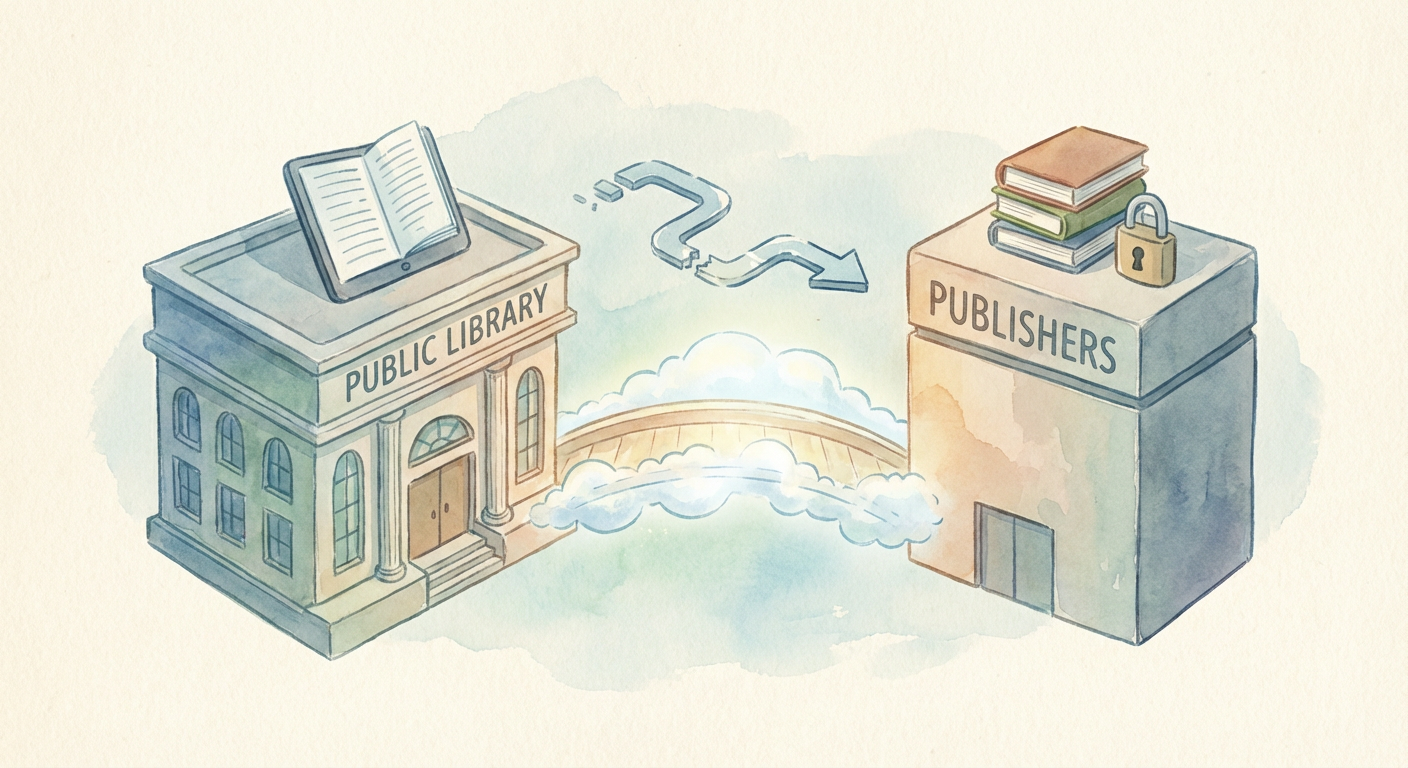
But the ongoing war between publishers and libraries over digital lending rights threatens another key discovery channel. Since 2020, things have gotten ugly as publishers restrict library e-book access because they’re worried about lost sales. This battle hits literary fiction especially hard since it depends on library circulation to reach readers who might not buy experimental or challenging work.

The Prize Culture Problem

Literary awards, once reliable quality markers, face growing heat for pushing cookie-cutter fiction. Prize culture has created recognizable patterns in winning novels, making people wonder if awards actually recognize great literature or just trendy aesthetic choices. Publishers increasingly game their submissions to match what they think prize committees want, which might be killing real innovation.

This sameness goes beyond individual prizes to create what critics call “prize fiction,” novels that seem engineered to win awards rather than challenge readers or break new artistic ground. The result reinforces certain styles and themes while pushing others to the margins, potentially shrinking literary fiction’s creative possibilities.

This has sparked fights about whether prizes should actively diversify their picks or stick with existing standards. Some say changing selection criteria compromises artistic integrity, while others argue current systems just keep excluding people. These arguments reflect bigger questions about who gets to decide literary value and how cultural institutions adapt to changing demographics and perspectives.

Charting the Path Forward

The novel’s future isn’t about picking sides between traditional and digital, old guard and newcomers. It’s about finding the sweet spot. The best literary fiction today mixes artistic ambition with readable storytelling, serious themes with compelling narratives. Authors who get both classical literary techniques and modern communication are the ones making it work.

Publishers need to balance commercial pressure with their responsibility to nurture literary culture. This might mean accepting smaller immediate returns on debut fiction while building long-term author relationships. It could mean embracing digital marketing without ditching the deeper editorial relationships that help literary writers grow their skills.

Readers have skin in this game too. We need to seek out challenging literature alongside our algorithm-fed entertainment. The best literary culture happens when readers actively explore beyond their comfort zones, supporting both familiar voices and fresh talent. Publishers Weekly industry news consistently shows that engaged readers create sustainable markets for diverse literary fiction.

This conversation about literary fiction’s future needs to keep going across all these platforms and communities. What novels are you finding that push conventional boundaries? How do you balance accessibility with artistic ambition in your reading? Literary culture’s health depends on curious readers, risk-taking publishers, and writers who refuse to choose between artistic integrity and connecting with audiences. I’d love to hear your thoughts on how we might better support the literary fiction that shapes how we understand human experience.

Literary fiction and the state of the novel: Curated pathway

Here is the thing I keep coming back to on this. The topic of literary fiction and the state of the novel rewards more careful attention than the typical coverage provides, and the reason is not complicated once you know where to look.

What I find most interesting, and I think you will too, is debut novel advances declining as publishers consolidate risk appetite. The opinionated and generous read of the situation is also the more accurate one once you examine what the evidence actually shows.

Literary fiction and the state of the novel: Curated pathway

The Pathway: Setting the Terms

BookTok driving over 20 percent of fiction sales across major publishers isn’t just a data point. It’s the structural condition that makes everything else in this analysis make sense. Context like this doesn’t age quickly. The conditions that produced it have been building for years, and the convergence is what makes the current moment different from previous moments that looked similar from a distance.

Debut novel advances declining as publishers consolidate risk appetite and self-published authors earning more than traditionally published in genre fiction. When you look at both together, a pattern emerges that Literary Hub book culture has been covering from the inside: the conditions are more durable than they first appear, and the implications extend further than the immediate headline suggests.

To understand why this matters, it helps to look at what was true three years ago versus what is true now. The difference isn’t simply quantitative. It’s qualitative. The participants, the infrastructure, and the incentive structures have all shifted in ways that compound rather than cancel out. That compounding is the most important element to track.

What makes this moment worth examining carefully is not the novelty but the confirmation. The underlying dynamics have been visible for some time. What’s new is that they’ve reached a threshold where ignoring them requires active effort rather than simple inattention. That threshold crossing is the event, not the underlying movement that produced it.

And Barnes and Noble turnaround under Elliott Management adding 30 new stores is part of that same picture. These elements don’t exist in separate silos. They’re reinforcing conditions in the same structural shift.

Illustration for Literary fiction and the state of the novel: Curated pathway

The Reading List Argument: The Analysis

Barnes and Noble turnaround under Elliott Management adding 30 new stores is where the analysis gets more specific. The surface reading is accessible and not wrong, but it misses the mechanism. The mechanism is where the practical insight lives. What I find most interesting, and I think you will too, is that library e-book lending conflicts with publishers have been ongoing since 2020, and understanding it changes what you do with the information.

Consider what library e-book lending conflicts with publishers ongoing since 2020 represents in context. It’s not a correlation that happened to appear. It’s a downstream consequence of structural factors that have been compounding. Previous readings of similar situations failed because they treated the symptom as the cause. The structural account is less satisfying as a headline but more useful as an analytical tool.

The comparison to prior cycles is instructive precisely because of where it breaks down. Superficially similar conditions resolved differently in previous iterations because the substrate was different. What literary prize culture under scrutiny for homogenisation of prize fiction represents is a substrate change, the kind that alters the elasticity of the system rather than just its current value. Recognising that distinction is what separates analysis from pattern-matching.

The skeptical counterargument deserves honest engagement: prior moments with similar surface characteristics didn’t produce the outcomes that seemed logical at the time. That history is real. What’s different now is literary prize culture under scrutiny for homogenisation of prize fiction, which isn’t a minor variable. It’s the infrastructure condition that previous cycles lacked. Infrastructure changes tend to be persistent in ways that sentiment-driven changes are not. Publishers Weekly industry news is one source tracking this dimension with the rigour it requires.

There’s also a distributional question that often goes unaddressed in coverage of literary fiction and the state of the novel: who captures the value created by these shifts, and who absorbs the disruption costs? The aggregate picture can be positive while the distribution is uneven in ways that matter enormously to specific participants. Keeping that distributional lens in view is part of reading the situation clearly rather than simply optimistically.

Implications: What This Means If You Care About Reading paths for specific goals

The implications of literary fiction and the state of the novel extend beyond the immediate context. BookTok driving over 20 percent of fiction sales across major publishers combined with the structural conditions described above creates a situation where adjacent fields, decisions, and communities are affected in ways that aren’t always visible from inside the primary story. The second-order effects are frequently more important than the first-order ones. They’re where careful attention pays the highest returns.

The frame that matters here, and this is where this perspective departs from the mainstream coverage, is that self-published authors earning more than traditionally published in genre fiction is a leading indicator rather than a lagging one. The people positioned to respond to what this signals, rather than to what it confirms, are the ones who will be less surprised by what follows.

The practical response depends heavily on your position relative to the dynamics at play. For those closest to the core of literary fiction and the state of the novel, the implications are immediate and operational. For those at greater distance, the implications are strategic. It’s a matter of understanding which adjacent pressures are building and which assumed stabilities are more fragile than they appear.

The practical question isn’t whether to engage with these dynamics but how. The answer depends on context, on what role you occupy relative to literary fiction and the state of the novel and what your actual decision horizon is. But the first step is the same regardless: accurate understanding of what is actually happening rather than what the most available narrative says is happening.

A few concrete observations are worth separating out from the broader analysis. First: debut novel advances declining as publishers consolidate risk appetite isn’t a temporary condition. It’s a new baseline. Second: library e-book lending conflicts with publishers ongoing since 2020 suggests that the adjustment period isn’t over. Third, and most important: the organisations and individuals who are treating the current moment as a new steady state rather than a transition are making a categorisation error that will be costly to unwind later.

The Case Against: What the Critics Get Right

Intellectual honesty requires acknowledging the strongest counterarguments, not just the weakest ones. The case against the optimistic reading of literary fiction and the state of the novel isn’t trivial. There are structural vulnerabilities in the current picture that deserve direct engagement rather than dismissal.

The most serious objection is the one about sustainability. Self-published authors earning more than traditionally published in genre fiction can be read not as a foundation but as a ceiling, a point beyond which growth becomes self-limiting because of the very dynamics that produced it. If the current state has already incorporated most of the available supply of early-adopting participants, the remaining growth curve may be structurally shallower than the recent trajectory implies.

There’s also the policy and regulatory dimension. BookTok driving over 20 percent of fiction sales across major publishers describes a condition in a relatively permissive environment. Regulatory responses to the scale implied by these numbers aren’t inevitable, but they’re not implausible either. The organisations that are planning as though the current regulatory environment is permanent are making an assumption that the history of fast-growing sectors doesn’t support.

The rebuttal to these concerns isn’t that they’re wrong. It’s that they’re already partially priced into the current state of the field. Literary prize culture under scrutiny for homogenisation of prize fiction reflects an environment where participants are already adapting to constraints rather than operating in an unconstrained space. The adjustment capacity of the ecosystem is higher than a purely top-down view of the risks suggests.

Looking Forward

The trajectory here is clearer than the pace. Making predictions about when specific thresholds will be crossed is genuinely difficult, and anyone claiming precision about timelines should be treated with scepticism. But the direction, toward BookTok driving over 20 percent of fiction sales and continued development of the conditions described above, is supported by the evidence in a way that doesn’t depend on a single variable going right.

Literary prize culture under scrutiny for homogenisation of prize fiction is the variable to watch as the leading indicator. Historical patterns suggest it moves first, with broader metrics following with some lag. This doesn’t make the outcome certain, but it makes it legible. And legibility is the precondition for good decisions.

Three questions are worth holding as the story develops. First: are the structural conditions that enabled the current state durable, or are they cyclical? Second: who is positioned to benefit from the next phase, and does that differ materially from who benefited in the current phase? Third: what would a clean falsification of the optimistic thesis look like, and is there any evidence of that signal emerging? These questions don’t need answers today, but having asked them changes what you notice in the months ahead.

That’s my read. I want to hear yours. The current moment in literary fiction and the state of the novel is one where the people who have built an accurate model of the underlying dynamics are better positioned than the people who are relying on the surface story. Building that model isn’t a quick task, but it’s a tractable one, and this analysis is intended as one input into it.

What’s missing

Science fiction and speculative futures — An Honest Close

Here is the thing I keep coming back to on this. The topic of science fiction and speculative futures rewards more careful attention than the typical coverage provides, and the reason is not complicated once you know where to look.

What I find most interesting, and I think you will too, when you look at it through close reading and style analysis, is Ted Chiang and N.K. Jemisin representing critical prestige in short and long form. The attentive read of the situation is also the more accurate one once you examine what the evidence actually shows.

Science fiction and speculative futures — An Honest Close

The Analysis: Setting the Terms

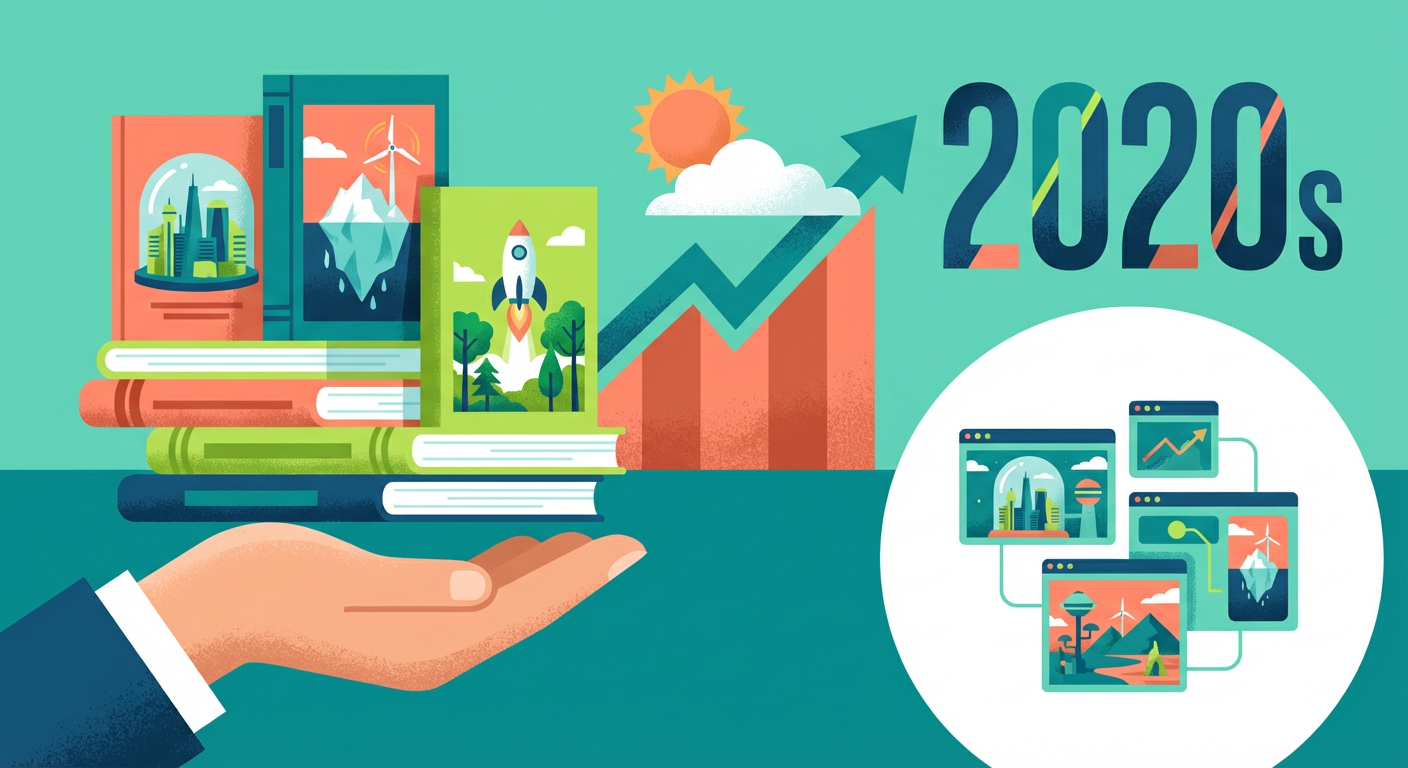
Climate fiction emerging as the dominant SF subgenre in the 2020s is not just a data point in the story of science fiction and speculative futures. It’s the structural condition that makes everything else in this analysis make sense. Context like this doesn’t age quickly. The conditions that produced it have been building for years, and the convergence is what makes the current moment distinct from previous moments that looked similar from a distance.

Ted Chiang and N.K. Jemisin represent critical prestige in short and long form, and solarpunk aesthetic is countering cyberpunk dystopia in indie publishing. When you look at both together, a pattern emerges that Tor.com SF culture has been covering from the inside: the conditions are more durable than they first appear, and the implications extend further than the immediate headline suggests.

To understand why this matters, it helps to look at what was true three years ago versus what is true now. The delta is not simply quantitative but qualitative. The participants, the infrastructure, and the incentive structures have all shifted in ways that build on each other rather than cancel out. That compounding is the most important element to track.

What makes this moment worth examining carefully is not the novelty but the confirmation. The underlying dynamics have been visible for some time. What is new is that they have reached a threshold where ignoring them requires active effort rather than simple inattention. That threshold crossing is the event, not the underlying movement that produced it.

And AI fiction exploring consciousness and rights becoming a recurring theme is part of that same picture. These elements don’t exist in separate silos, they’re reinforcing conditions in the same structural shift.

The Slow Read: The Analysis

AI fiction exploring consciousness and rights becoming a recurring theme is where the analysis gets more specific. The surface reading is accessible and not wrong, but it misses the mechanism. And the mechanism is where the practical insight lives. What I find most interesting, and I think you will too, is that the mechanism is translated SF from China and Eastern Europe growing in English-language market. Understanding it changes what you do with the information.

Consider what translated SF from China and Eastern Europe growing in English-language market represents in context. It’s not a correlation that happened to appear. It’s a downstream consequence of structural factors that have been building. Previous readings of similar situations failed because they treated the symptom as the cause. The structural account is less satisfying as a headline but more useful as an analytical tool.

The comparison to prior cycles is instructive precisely because of where it breaks down. Superficially similar conditions resolved differently in previous iterations because the foundation was different. What hard SF readership remaining stable while character-driven spec fic audience expands represents is a foundation change, the kind that alters how flexible the system is rather than just its current value. Recognising that distinction is what separates analysis from pattern-matching.

The skeptical counterargument deserves honest engagement: prior moments with similar surface characteristics did not produce the outcomes that seemed logical at the time. That history is real. What is different now is hard SF readership remaining stable while character-driven spec fic audience expands, which is not a minor variable. It’s the infrastructure condition that previous cycles lacked. Infrastructure changes tend to be persistent in ways that sentiment-driven changes are not. Strange Horizons speculative fiction is one source tracking this dimension with the rigour it requires.

There is also a distributional question that often goes unaddressed in coverage of science fiction and speculative futures: who captures the value created by these shifts, and who absorbs the disruption costs? The aggregate picture can be positive while the distribution is uneven in ways that matter enormously to specific participants. Keeping that distributional lens in view is part of reading the situation clearly rather than simply optimistically.

Implications: What This Means If You Care About Prose style analysis

The implications of science fiction and speculative futures extend beyond the immediate context. Climate fiction emerging as the dominant SF subgenre in the 2020s combined with the structural conditions described above creates a situation where adjacent fields, decisions, and communities are affected in ways that are not always visible from inside the primary story. The second-order effects are frequently more important than the first-order ones, and they are where careful attention pays the highest returns.

The frame that matters here, and this is where this perspective departs from the mainstream coverage, is that solarpunk aesthetic countering cyberpunk dystopia in indie publishing is a leading indicator rather than a lagging one. The people positioned to respond to what this signals, rather than to what it confirms, are the ones who will be less surprised by what follows.

The practical response depends heavily on your position relative to these dynamics. For those closest to the core of science fiction and speculative futures, the implications are immediate and operational. For those at greater distance, the implications are strategic, a matter of understanding which adjacent pressures are building and which assumed stabilities are more fragile than they appear.

The practical question is not whether to engage with these dynamics but how. The answer depends on context, on what role you occupy relative to science fiction and speculative futures and what your actual decision horizon is. But the first step is the same regardless: accurate understanding of what is actually happening rather than what the most available narrative says is happening.

A few concrete observations are worth separating out from the broader analysis. First: Ted Chiang and N.K. Jemisin representing critical prestige in short and long form is not a temporary condition, it’s a new baseline. Second: translated SF from China and Eastern Europe growing in English-language market suggests that the adjustment period is not over. Third, and most important: the organisations and individuals who are treating the current moment as a new steady state rather than a transition are making a categorisation error that will be costly to unwind later.

The Case Against: What the Critics Get Right

Intellectual honesty requires acknowledging the strongest counterarguments, not just the weakest ones. The case against the optimistic reading of science fiction and speculative futures is not trivial. There are structural vulnerabilities in the current picture that deserve direct engagement rather than dismissal.

The most serious objection is the one about sustainability. Solarpunk aesthetic countering cyberpunk dystopia in indie publishing can be read not as a foundation but as a ceiling, a point beyond which growth becomes self-limiting because of the very dynamics that produced it. If the current state has already incorporated most of the available supply of early-adopting participants, the remaining growth curve may be structurally shallower than the recent trajectory implies.

There is also the policy and regulatory dimension. Climate fiction emerging as the dominant SF subgenre in the 2020s describes a condition in a relatively permissive environment. Regulatory responses to the scale implied by these numbers are not inevitable, but they are not implausible either. The organisations that are planning as though the current regulatory environment is permanent are making an assumption that the history of fast-growing sectors does not support.

The rebuttal to these concerns is not that they are wrong but that they are already partially priced into the current state of the field. Hard SF readership remaining stable while character-driven spec fic audience expands reflects an environment where participants are already adapting to constraints rather than operating in an unconstrained space. The adjustment capacity of the ecosystem is higher than a purely top-down view of the risks suggests.

Looking Forward

The trajectory here is clearer than the pace. Making predictions about when specific thresholds will be crossed is genuinely difficult, and anyone claiming precision about timelines should be treated with scepticism. But the direction, toward climate fiction emerging as the dominant SF subgenre and continued development of the conditions described above, has support from the evidence in a way that is not contingent on a single variable going right.

Hard SF readership remaining stable while character-driven spec fic audience expands is the variable to watch as the leading indicator. Historical patterns suggest it moves first, with broader metrics following with some lag. This does not make the outcome certain, but it makes it readable, and readability is the precondition for good decisions.

Three questions are worth holding as the story develops. First: are the structural conditions that enabled the current state durable, or are they cyclical? Second: who is positioned to benefit from the next phase, and does that differ materially from who benefited in the current phase? Third: what would a clean falsification of the optimistic thesis look like, and is there any evidence of that signal emerging? These questions don’t need answers today, but having asked them changes what you notice in the months ahead.

That’s my read. I want to hear yours. The current moment in science fiction and speculative futures is one where the people who have built an accurate model of the underlying dynamics are better positioned than the people who are relying on the surface story. Building that model is not a quick task, but it is a doable one, and this analysis is intended as one input into it.

What passage do you come back to when you want to see how it’s done?

Equinoccioblog — A Life in Books

Equinoccioblog — A Life in Books

Reviews, recommendations, and essays for serious readers.

Books deserve better than star ratings and summary paragraphs. We write about what we’re reading — novels, essays, history, science, poetry — with the kind of engagement that treats literature as something worth our full attention.

Topics we cover: Fiction · Nonfiction · Essays · Poetry · Graphic Novels · Interviews

Navigating the Landscape of AI in Creative Arts: Crossing the Horizon of Imagination

Welcome back to the thrilling, edge-of-your-seat world of technology breakthroughs! Today, I’m diving headfirst into AI and how it’s changing creative arts. These days, I can’t help but chuckle every time I see a supposedly AI-generated “masterpiece” pop up on my Instagram feed—half the time, these renderings remind me of those abstract finger paintings I used to make as a kid. Seriously though, AI isn’t just scribbling colors around but actually creating new forms of art.

You’ve probably heard phrases like “every pixel inspired by deep learning” or stories about viral output created by AI-powered brushes. But let’s not get too focused—actually, wait, let’s absolutely get focused because this stuff is fascinating! Let’s explore how machines are picking up paintbrushes and composing symphonies. Through this post, I’ll peel back the layers of how AI is rewriting the script of visual and musical artistry. And yeah, there’s gonna be some unapologetic techno-utopian cheerleading!

The Birth of AI-Creatives: A Match Made in Silico-Heaven

Have you ever imagined a world where computers co-author literature, refine poetry, and analyze art? Welcome to that bustling realm—a place where algorithms wear Picasso hats, conduct symphonies, and host writing sessions in dimly lit digital cafes.

This all began when deep learning algorithms got really good at pattern recognition. Remember when machine learning tools helped us with hot dog or not hot dog debates? They’ve graduated—think GPT-3 and Midjourney, tools that can produce bizarre (and sometimes entirely plausible) artworks in seconds. I mean, it’s fascinating and a bit nerve-racking. Is this the dawn of collaboration between silicon beings and human creators? Count me as enthusiastically optimistic!

Seeing AI labs at Meta, Google, or startup scenes adapting literal knowledge to the abstract quirkiness of human creativity just warms my little techno enthusiast heart. And based on what’s emerging, these hybrids will hang in museum corridors around the world.

A New Renaissance With Unseen Masters

From creating detailed visuals to working through musical harmonies, AI is learning approaches, tones, and textures across artistic mediums. Visual AI artists—apps like DALL·E 2, Stable Diffusion, or tools from Runway—offer new ways for artists to create impossible subjects and explore styles previously unimaginable.

Take visual design interfaces: a human might provide the seed inspiration—say, a cozy coffee shop blended with kaleidoscopic colors. AI steps in with machine-precision, adjusting mood and hues pulled from who knows where in its training data.

Then there’s music. We’re not talking fairy tales told through spoken word, but AI-generated soundscapes and compositions. Hyperpop artists might find new accompaniment emerging from audio networks like OpenAI’s Jukebox. These tools can mimic personal styles, opening up musical territories that traditional instruments couldn’t reach.

The accessibility factor isn’t small potatoes either. Lower barriers mean more people can experiment with art—those who were locked out or intimidated by traditional artistic training now have new entry points.

The Creative Future (And What Keeps Me Up At Night)

Let me be honest about where this is heading. AI art tools are getting scary good, and that brings up some real questions. What happens to human artists when a machine can paint a portrait in 30 seconds? Will we lose something essentially human in the creative process?

I wrestle with this stuff. Part of me loves seeing a kid use AI to bring their wild imagination to life. Another part worries we’re automating away one of the most fundamentally human activities. Maybe the answer isn’t choosing sides but figuring out how humans and AI can work together without losing what makes art meaningful.

There’s also the elephant in the room about originality. When AI trains on millions of existing artworks, are we creating something new or just really sophisticated remixing? The legal battles over this are just getting started, and honestly, I don’t think anyone has the answers yet.

But here’s what I keep coming back to: every major artistic movement faced resistance. Photography was going to kill painting. Digital art wasn’t “real” art. Maybe AI is just the next chapter in that story. The artists who figure out how to use these tools creatively, rather than being replaced by them, might create things we can’t even imagine yet.

What I do know is that we’re living through something unprecedented. Whether that excites or terrifies you probably depends on whether you’re holding the paintbrush or watching from the sidelines. Either way, it’s going to be one hell of a ride.


Cracking the Code: Large Language Models Are Changing More Than Just Grammar

Hey folks! Today, let’s talk about something that’s stirring both excitement and unease across tech circles: Large Language Models (LLMs). You know, those AI wizards that are snatching up grammar jobs faster than a spellchecker on steroids. I’m talking about GPT, BERT, T5, and the whole alphabet of linguistic bots reshaping everything from your next Chipotle order to solving ancient puzzles.

How We Got Here: Better Than a Sci-Fi Novel

Some of you may already be flexing your Nvidia muscle cards about the basics, so let’s skip to the “whoa” moments. It all started innocently enough with people thinking computers might one day spot a typo from across the room. Fast forward a couple of decades, and bam—OpenAI rolls out GPT and shows that not only can computers catch misspelled emails, but they can draft full Shakespearean dramas overnight. I guess they never warned us “Careful what you wish for.”

So how did we get here? You gotta give it to those research wizards combining skill and theory into neural models. Researchers took theoretical dreams and coded reality more absurd than anything Asimov imagined. Each year these models grow deeper (pun intended) and spread wider, soaking in literally the entire internet’s worth of text and outputting the synthetic cousin of human thought.

Capabilities That Would Freak Out Even Rod Serling

The obvious capability that everyone talks about is generating text that doesn’t seem like it fell out of a Fortune Cookie factory. And it’s worth it to see text that feels human-created, especially as more folks consider replacing high school valedictorian speeches with neurons and nodes.

More impressive, though, is the way these AI models weave connections and pick up patterns almost like tiny virtual Sherlock Holmeses, sniffing out insights we forgot we considered trash. Take helping scientists with protein folding predictions. This isn’t casual work. These models actually help predict protein microstructure, something that was previously a massive challenge treated like impossible seaside puzzles. Now we’re getting answers that matter.

Implications: Come For the Superlatives, Stay For the Existential Crises

I’ve got to say, there’s a word people can’t stop using: transformation. Who knew grammar nerds would break economic formulations? We’re opening AI labs with big dreams, diagnosing illnesses before patients even realize they need to worry.

But here’s where things get messy. Every breakthrough comes with questions we’re not ready to answer. What happens to entire industries built on human creativity? How do we handle AI that can write legal briefs, compose symphonies, or diagnose diseases better than experts who spent decades learning their craft? The tech moves faster than our ability to figure out the ethics. And honestly, that keeps me up at night sometimes. We’re building tools that could either solve humanity’s biggest problems or create entirely new ones we never saw coming.

Of Perils and Promises: This Is Only the Beginning

Look, the potential dangers are real, and they make for scary headlines. We’re talking about AI that could spread misinformation faster than wildfire, eliminate jobs overnight, or make decisions that affect millions of lives without human oversight. The technology is advancing so quickly that our safeguards feel like they’re always playing catch-up.

But here’s what gets me excited: we’re also looking at AI that could help cure diseases, solve climate change, and make education accessible to everyone on the planet. The same technology that worries us about job displacement could also free us from mundane tasks and let humans focus on what we do best, creativity, empathy, genuine connection. The question isn’t whether this technology will change everything. It’s whether we’re smart enough to steer it in the right direction.

Conclusion: We’re Just Drafting Chapter One

Here’s the truth: we’re still figuring this out as we go. Large Language Models aren’t some distant sci-fi concept anymore. They’re here, they’re getting better every month, and they’re already changing how we work, learn, and communicate. Whether that excites you or terrifies you probably depends on which headlines you read last.

What I know for sure is that ignoring this technology won’t make it go away. The smartest thing we can do is stay informed, ask hard questions, and demand that the people building these systems consider more than just profit margins. Because at the end of the day, these aren’t just cool tech demos. They’re tools that will shape the next chapter of human history.

Unlocking Infinite Creativity: AI Paints a New World

Hey fellow tech enthusiasts and future-seekers! Welcome back to my wild musings on all things that hover around the edges of science fiction but are oh-so-real today. As you grab your preferred steamy morning brew—or perhaps an energy elixir of choice—let’s talk about one of my personal obsessions: Artificial Intelligence’s bold foray into the realm of creative arts. Yes, the future is here, and it comes with a paintbrush…or should I say an algorithm?

Art’s Algorithmic Evolution

Gone are the Jane Jetson days where AI simply handled mundane tasks. Today’s AI is a digital sage capable of van Gogh strokes and Beethoven symphonies. OpenAI, Google Brain, and others are developing algorithms that aren’t just programmed to mimic creativity but to genuinely create. Imagine robots composing love songs, crafting headlines that put Hemingway to shame, or painting so well that art critics themselves question their own aesthetic inclinations.

Here’s the scoop: Neural networks are the brushes while the coded parameters are the paint. These digital artisans absorb a massive buffet of human art—novels, paintings, sonnets, and beyond—and then they remix and remaster. The Renaissance today comes served up in bits and bytes.

Hey Picasso, Meet Da Vinci Code

Picture this: Algorithms have started dabbling where only Monet and Dalí dared to venture—creating distinct art with a dash of abstract mystery. Recently, an AI-generated artwork sold at auction for hundreds of thousands of dollars. The piece combined digital moonlit skies with classical symmetry in ways that felt both familiar and completely alien.

What’s fascinating is how these AI creations make us question what we value in art. When a machine produces something that moves us emotionally, does it matter that no human hand touched the canvas? The value becomes surprisingly intrinsic, challenging our assumptions about creativity and authorship.

Raising the Cultural Bar

Critics scratching their heads aside, there’s serious magic happening here. AI-produced creative works aren’t just adding vanilla content to our culture; they’re pushing boundaries in unexpected ways. These systems can blend influences from completely different eras and cultures, creating works that transcend traditional artistic barriers.

I’ve seen AI compose music that combines baroque structures with modern electronic elements, or generate poetry that mixes haiku traditions with contemporary urban themes. It’s creating a new kind of cultural cross-pollination that human artists might never have attempted.

The Unwritten Future

Here’s where things get really interesting. We’re standing at the edge of something unprecedented in human history. For the first time, we have non-human entities creating art that genuinely moves people. Some of it is derivative, sure. But some of it is pushing into territories that feel genuinely new.

The question isn’t whether AI will replace human artists—I don’t think it will. Instead, I think we’re heading toward a collaboration between human creativity and machine capability that could produce art forms we can’t even imagine yet.

Where Do We Go From Here?

Look, I’ll be honest—part of me is excited, and part of me is a little unsettled by all this. There’s something both thrilling and slightly unnerving about watching machines create beauty. But that’s probably how people felt when photography was invented and painters worried about their relevance.

What I do know is that we’re witnessing the birth of a new creative medium. AI art isn’t trying to replace human creativity—it’s expanding what’s possible. And that, my fellow tech enthusiasts, is worth paying attention to.

AI, Creativity, and the Art of Making Stuff: A Match Made in Silicon Heaven

Hey fellow tech enthusiasts! I’ve been thinking about something that’s been bugging me lately in the world of Artificial Intelligence. You know that weird feeling when Spotify nails your music taste better than you can explain it yourself? Well, grab your coffee because I want to talk about AI jumping headfirst into creative arts. It’s messier and more interesting than you might think.

AI in Creative Arts: What is this Sorcery?

Creativity has always felt like this deeply human thing. That spark where chaos turns into something beautiful – the way Michelangelo saw David in a block of marble, or how Hemingway could make you feel everything with just a few words. Can AI really crack that code?

Honestly, the answer might surprise you. Take DALL-E from OpenAI. This thing can generate original artwork from text prompts that would make your art teacher do a double-take. You type “a cat wearing a business suit riding a unicycle through a field of donuts” and boom – there’s your image. It’s not just copying and pasting existing art. It’s creating something new.

But here’s where it gets weird. When I see these AI-generated pieces, I can’t shake the feeling that something’s missing. They’re technically impressive, sure, but they lack that indefinable human messiness that makes art stick with you.

The Technical Magic Behind the Curtain

So how does this actually work? AI art generators use something called neural networks – basically computer systems that loosely mimic how our brains process information. They’re trained on millions of images, learning patterns, styles, and relationships between visual elements.

When you give DALL-E or Midjourney a prompt, they’re not just randomly throwing pixels together. They’re drawing from this massive database of learned patterns to create something that fits your description. It’s like having an artist who’s studied every painting ever made and can remix those influences in seconds.

How Does It Work, Anyway?

The process is pretty wild when you break it down. These AI systems start with noise – literally random pixels – and gradually refine them based on your text prompt. It’s like watching a Polaroid develop, except the photo is being painted by an algorithm that’s processing millions of artistic decisions per second.

The really crazy part is that these systems can understand context and style in ways that feel almost intuitive. Ask for something “in the style of Van Gogh” and it knows to add those swirling brushstrokes and bold colors. Want something photorealistic? It can do that too.

But here’s what I find fascinating – and a little unsettling. These AIs don’t actually understand what they’re creating. They don’t feel emotions or have experiences to draw from. They’re incredibly sophisticated pattern-matching machines, but they’re still just machines.

Venturing into the Future: The Promise of Longevity Innovation

Hey, fellow tech enthusiasts! Today, let’s talk about something that gets to the dreamer in all of us: longevity tech. We’ve all had those late-night thoughts about life and death, probably after our third coffee while staring at the ceiling at 3 AM wondering about mortality. But what if I told you that living a longer, healthier life isn’t just dorm-room philosophy anymore? It’s becoming a real industry. Intrigued? Good, because it’s time to explore the world of longevity innovation!

The Fountain of Youth Gone Digital

Forget conquistadors searching for mythical fountains in uncharted lands. We’re in the digital age now! Scientists have traded mythology for technology, and our lasers and code pack more punch than any cryptic map to eternal youth.

Longevity technology isn’t just a buzzword. It sits where biology meets AI and big data. The tech has grabbed attention from big names like Jeff Bezos (through Altos Labs) and Google’s Calico. These companies are pouring millions into research on cellular health, genetic engineering, and new pharmaceutical treatments designed to seriously extend human lifespans. Picture yourself tackling life’s adventures for 150 years with the energy of a college student fueled by ramen and dreams.

Fresh Faces of Tech Wizardry

When you talk longevity, you can’t ignore the cutting-edge biotech companies working behind closed doors, whether in basements or sleek Silicon Valley labs. One major player is the SENS Research Foundation. They’re pioneering a whole suite of therapies targeting different aging pathways.

In this constantly changing field, there’s Unity Biotechnology, which hunts down “zombie” cells. These senescent cells just hang around causing trouble and are widely thought to drive aging. Unity’s cellular cleanup strategies could totally rewrite how we think about healthspan. Maybe your old hatred of scientific jargon will turn into love for whatever they end up calling their anti-aging treatments. (Though I’m hoping they pick better names than I would!)

When AI Meets the Human Genome

Let’s be honest – cracking the secrets of human DNA is incredibly complex. You don’t need to be an AI expert to be blown away by what this combination of tech and biology might do for us.

Using sophisticated algorithms and serious innovation, AI is tackling the puzzle of our DNA, figuring out how to put all the pieces back together perfectly. While OpenAI focuses on conversational agents, their AI cousins working in proteomics and genomics are busy solving the big puzzles of aging.

The goal isn’t just slowing down aging. It’s getting diseases like Alzheimer’s and cancer in our crosshairs and hitting them harder than a ’90s arcade whack-a-mole game.

Speed Bumps and Reality Checks

Before we get lost in anti-aging fantasies, let’s remember this road isn’t all smooth sailing. Unexpected biological responses happen. Skeptics spark heated debates that light up Reddit threads, and timelines shift more than a toddler’s naptime schedule.

The idea of replacement organs on demand sounds great, but it raises thorny questions about wealth and equal access. These aren’t easy problems to solve, and the debates can get pretty heated when you’re talking about who gets to live longer and who doesn’t.

Looking Ahead

I’ll be honest – there’s a lot of speculation floating around about where this all leads. The possibilities are exciting, but we’re still early in figuring out what extended lifespans would actually mean for society.

What I find fascinating is how this technology could change everything from retirement planning to career choices. If you could live and work for 150 years, would you still choose the same path at 25? These are the questions that keep me up at night (along with that third coffee).

The longevity tech space moves fast, and honestly, it’s hard to predict exactly where we’ll be in 10 or 20 years. But watching brilliant minds tackle humanity’s oldest challenge? That’s pretty incredible to witness.