Grief Lit Is Everywhere Right Now and My Therapist Definitely Has Questions About My Amazon Cart

The Moment We’re Living In

If you’ve been online lately, you’ve probably noticed that grief literature has stopped being a niche comfort read and become a full-blown cultural phenomenon. I’m talking BookTok phenomenon. I’m talking about the kind of shift where a literary genre suddenly feels unavoidable, essential, and weirdly comforting all at once. And honestly? I’m here for it, even as I recognize how strange it is that I’ve built an entire reading stack around sadness.
Grief Lit Is Everywhere Right Now and My Therapist Definitely Has Questions About My Amazon Cart

The numbers are wild. The #GriefReads hashtag on TikTok has accumulated over 620 million views by this point in 2026, with viewership skyrocketing 40% in the final quarter of 2025 alone. That surge came right after the paperback reissue of Coco Mellors’ “Cleopatra and Frankenstein” hit the mainstream consciousness, and suddenly everyone was talking about reading their way through loss as if it were the most natural thing in the world. Which, I guess, it is.

Illustration for Grief Lit Is Everywhere Right Now and My Therapist Definitely Has Questions About My Amazon Cart

Why Publishers Are Betting Big on Your Sadness

Publishing is a business that moves on data. When Penguin Random House launched their new “Books for Hard Times” editorial imprint in January 2025, they weren’t taking a creative risk. They were responding to something real. They curated 24 initial titles specifically designed as companions for difficult moments, making grief literature its own dedicated vertical for the first time in industry history. That’s a major move. That’s not a publisher guessing. That’s a publisher reading the room.

The market data backs this up completely. According to NPD BookScan genre trends reporting, literary grief memoir is now the fastest-growing non-fiction subcategory, with a 34% year-over-year increase in unit sales during 2025. This isn’t a fluke. This is a structural shift in what readers are buying and, more importantly, what readers are willing to sit with emotionally.

The Backlist Resurrection Nobody Expected

Here’s where it gets really interesting from a book nerd perspective. Maggie O’Farrell’s backlist, particularly “Hamnet,” experienced a 55% sales resurgence in 2025, and the culprit is gloriously specific: grief-focused BookTok recommendation cycles. A book published in 2020 suddenly exploded five years later because people were discussing it in the context of loss and longing. That’s community curation overriding traditional marketing.

I find this fascinating because it speaks to something we don’t talk about enough. A book doesn’t exist in isolation. It exists in conversation. When readers on BookTok started discussing “Hamnet” as a meditation on grief and absence, the book’s entire identity shifted. According to Waterstones bookselling insights, staff noted that customers were specifically seeking out O’Farrell’s work after seeing it discussed through a grief lens, not just as historical fiction. The genre gates dissolved. Readers moved freely across categories because the emotional truth mattered more than the shelf placement.

What Grief Literature Does That Nothing Else Does

Here’s the thing that actually matters underneath all these trend numbers. A 2025 study from UCLA researchers published in the journal “Psychology of Aesthetics, Creativity, and the Arts” found that reading grief-themed literary fiction reduced self-reported loneliness scores by an average of 19% over six weeks. Let that sink in. Not therapy. Not medication. Not a support group. Sitting alone with a book about loss can measurably decrease how isolated you feel.

This makes perfect sense to me when I think about why I’ve been devouring these books myself. When you read grief literature, you’re not alone in the dark. You’re in conversation with a writer who has already been in that dark, who has found language for feelings that seem impossible to articulate. That’s not escape. That’s witness. And in a world where many of us are navigating loss privately, keeping it cordial in public, never really talking about how much it hurts, there’s something genuinely healing about a book that says yes, this is real, I see it too, you’re not crazy for feeling this much.

The Genre Collapse That Makes Everything Better

What I love most about this moment is that it’s forcing readers and publishers to stop pretending genre walls are load-bearing. A grief memoir isn’t separate from literary fiction. A novel about loss operates in the same emotional space as an essay collection about absence. When we read for grief, we stop asking whether something is “literary enough” or “commercial enough” and we just ask if it’s true. If it matters. If it helps.

The different formats actually produce something valuable here. A memoir about loss carries the weight of fact, the assurance that someone actually lived through this and survived it. A novel about grief offers the freedom of imagination, the space to see your own loss reflected through fictional characters who aren’t you but feel like they could be. An essay collection lets a writer dissect loss intellectually while still honoring its emotional reality. None of these is better than the others. They’re just different doors into the same room.

My therapist hasn’t actually said anything about my reading list, which probably means I should ask her what she thinks. But I suspect she’d recognize what I’m doing. I’m looking for companionship in my sadness. I’m looking for evidence that other people have felt this weight and survived it. I’m looking for language that makes sense of experiences that seem senseless. And apparently, in 2025, I’m far from alone in doing so.

The BookTok Burnout Is Real: Why Readers Are Quitting 50-Book Yearly Challenges and What the Data Says About Reading Joy

The Challenge That Became a Chore

I need to tell you something I’ve been thinking about for months, and honestly, I’ve been nervous to say it out loud. Ready? Here goes: the 50-book yearly challenge might be ruining reading for some of us. Not for everyone. But for enough people that it’s worth talking about.

The BookTok Burnout Is Real: Why Readers Are Quitting 50-Book Yearly Challenges and What the Data Says About Reading Joy

It started innocently enough. You set a goal on Goodreads at the beginning of January. Fifty books felt ambitious but doable. You had a whole year, right? You imagined yourself knocking them out steadily, building that satisfying completion percentage, watching the little progress bar creep toward green. It felt motivating. It felt like community. And then somewhere around March, it started to feel like homework.

The data backs this up in ways that genuinely surprised me. According to recent research from the American Library Association reading research, 43 percent of readers aged 18 to 35 now report experiencing reading anxiety directly tied to self-imposed annual reading goals. That’s not a small number. That’s a crisis nobody’s really talking about.

When Quantity Becomes the Enemy of Quality

Here’s what’s fascinating and deeply sad about this: the faster you read, the worse you actually read. This isn’t just my opinion or some motivational speaker nonsense. Researcher Naomi S. Baron, who literally wrote the book on how we consume words on screens, updated her findings in 2025 to show something stark. Goal-driven reading measurably reduces comprehension and retention compared to self-directed reading. When you’re chasing a number, your brain isn’t absorbing the book. It’s processing it. There’s a difference.

Think about the last time you felt genuinely wrecked by a book. The kind where you had to put it down and stare at the wall for twenty minutes because a sentence destroyed you. Did that happen on a reading schedule? Or did it happen because you picked up a book you were genuinely curious about, with no deadline, no goal tracker, just you and the story?

I’ve noticed something personally. My favorite reading experiences in the past two years haven’t been the books I speedran through to hit a monthly target. They’ve been the books that made me text friends at 2 a.m., the ones where I reread passages three times, the ones that actually changed how I think about something. Those books demanded slowness. They demanded rereading. They demanded I sit with them instead of rushing past them.

BookTok’s Pace Culture and the Paradox of Community

The irony is that BookTok created a reading community that felt amazing. Suddenly, books were trending. Reading was social. Watching someone film themselves having an emotional response to a plot twist while your favorite song played in the background made you want to read. I get it. I’ve been that person. I still am, sometimes.

But then the culture shifted. The pace became the point. The hashtag #ReadingBurnout surpassed 200 million views on TikTok by mid-2025, with creators consistently naming BookTok’s pace culture as the primary stressor. Two hundred million views. That’s not just people complaining. That’s people recognizing that something that started as joyful has become exhausting.

And here’s where it gets really interesting: the pressure isn’t even coming from other people anymore. It’s coming from an internalized algorithm. You know the feeling. You’re halfway through a book, it’s beautiful, and you think, “I should probably move on so I can finish three more this month.” The algorithm wins without anyone even pushing you.

The Numbers Tell a Story About What We Actually Want

The Goodreads Reading Challenge statistics reveal something instructive: over 18 million users set a Reading Challenge goal for 2025. That sounds triumphant until you learn that fewer than 40 percent of people actually complete their goals historically. Millions of people start the year feeling motivated and end it feeling like failures. That’s a system that isn’t serving anyone.

But here’s where the market starts whispering something important. Waterstones UK reported a 22 percent increase in sales of short story collections and novellas in 2025. Analysts linked it to readers seeking completable, lower-pressure reading experiences. Think about that. Readers are voting with their wallets. They’re saying: “I want to finish things. I want the satisfaction of completion. But I don’t want it to feel impossible.”

Short stories and novellas aren’t lesser reads. They’re not the diet version of novels. They’re structured differently, often more experimental, more daring. And they’re winning right now because they offer something the 50-book challenge doesn’t: attainability without sacrifice.

What Reading Joy Actually Looks Like

I’ve been sitting with this question for weeks: what would reading look like if we removed the goal entirely? Not the intention. Not the desire to read widely and deeply. Just the specific number attached to a calendar year.

Maybe you read twelve books. Maybe you read seventy. Maybe you read the same book twice because it deserves that. Maybe you spend six weeks on one book because it’s dense and challenging and requires that kind of time. Maybe you DNF something without guilt because your time is finite and you don’t owe every book your completion.

The friend who texts me at midnight about their feelings isn’t doing it because they hit a reading goal. They’re doing it because the book changed something in them. That’s the only metric that matters.

If you’re burned out on reading challenges right now, that’s not a failure on your part. That’s you recognizing that the system stopped serving you. Maybe this year, try something different. Set a smaller goal. Set no goal. Read what calls to you. Reread something you love. Spend two months with a challenging book if that’s what it needs. The joy is in the reading, not in the tracking, and if the tracking is stealing the joy, it’s worth asking whether it serves any purpose at all.

Why Your Book Club Should Immediately Add Samantha Harvey’s ‘Orbital’ to Your Reading List

A Booker Prize Winner That Quietly Rewrote the Rules

I need to tell you about a book that won the Booker Prize last November and somehow nobody is talking about it enough. Samantha Harvey’s “Orbital” is the kind of novel that makes you text your entire group chat at 2 AM asking if anyone else just finished it yet, because you cannot sit with this alone. What makes this win particularly wild is the sheer audacity of it: Harvey is the first British woman to win the Booker Prize since Hilary Mantel claimed it back in 2012, and she did it with a book that’s only 136 pages long. This isn’t some massive, sprawling epic with chapters that feel like separate novellas. This is the shortest Booker Prize winner in the award’s entire 56-year history. Think about that for a moment. In a competition historically dominated by books you could use as a doorstop, Harvey walked in with something you can finish in a single sitting and changed the conversation.

Why Your Book Club Should Immediately Add Samantha Harvey's 'Orbital' to Your Reading List
Why Your Book Club Should Immediately Add Samantha Harvey’s ‘Orbital’ to Your Reading List

The novel takes place over exactly 24 hours aboard the International Space Station, and honestly, that premise alone should tell you this is not your typical literary fiction. Six people orbit Earth, suspended in that thin line between science and philosophy, between the technical and the transcendent. The Booker Prize 2024 Winner Announcement noted how rare it is for a book of this scale to command such attention in contemporary literary spaces. But “Orbital” isn’t small in ambition just because it’s small in page count. If anything, the brevity makes it more powerful.

Illustration for Why Your Book Club Should Immediately Add Samantha Harvey's 'Orbital' to Your Reading List
Illustration for Why Your Book Club Should Immediately Add Samantha Harvey’s ‘Orbital’ to Your Reading List

The Translation Question That Nobody Asked Yet

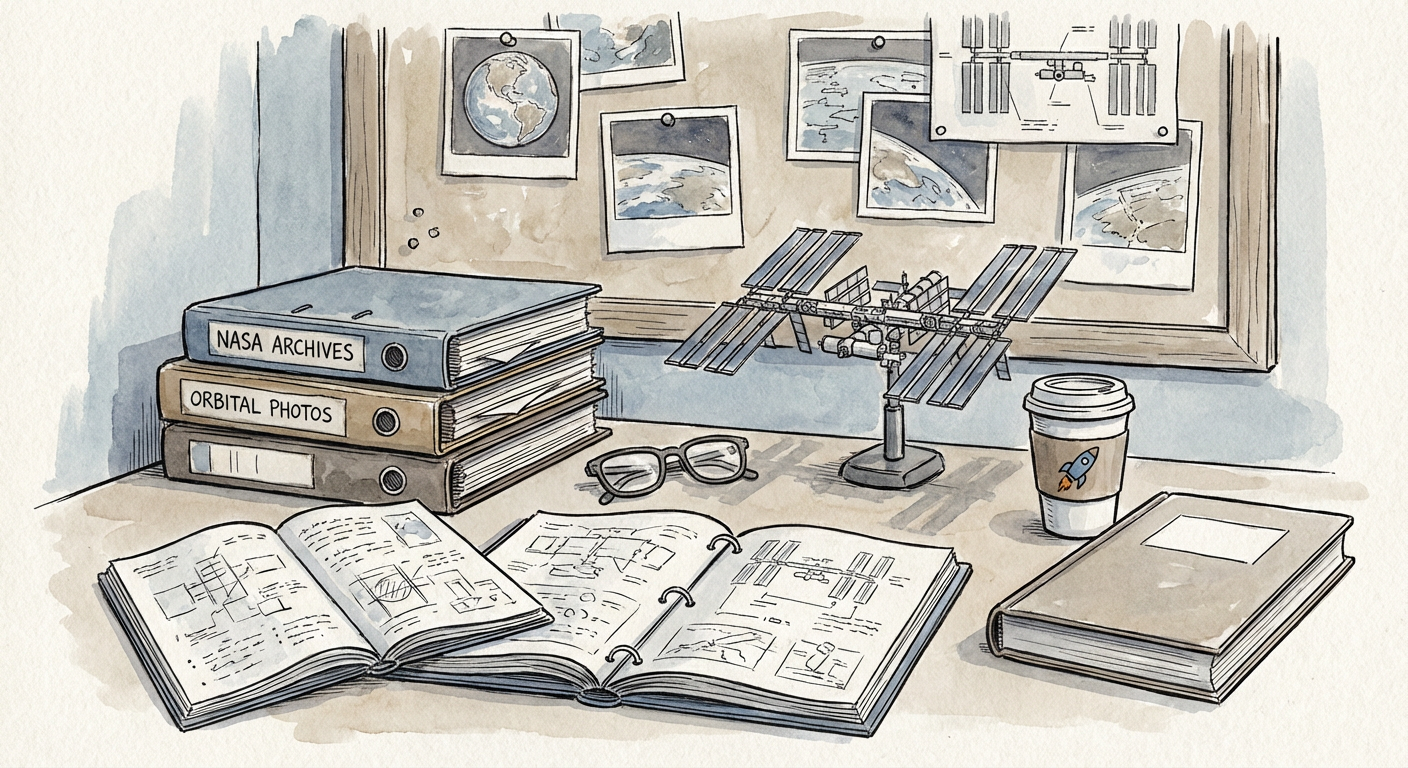
Here’s what fascinates me most about “Orbital,” and why I think it’s essential for book clubs to engage with it right now: this novel is fundamentally about translation. Not in the literal sense of language conversion, though there’s certainly that lurking beneath the surface. I mean translation as the core act of the book itself. Harvey takes the technical vocabulary of NASA, the precise measurements and orbital mechanics documented in real ISS archives, and translates it into lyrical, almost meditative prose. She consulted NASA’s actual orbital photography archives and real station documentation during her research, which means every scientific detail carries weight and authenticity. But here’s the clever part: she then translates this cold, technical reality into something deeply human and emotionally resonant.

When we talk about translation in literary circles, we usually mean moving words from one language into another. We debate whether a particular translator captured the essence of an original text, whether they prioritized fidelity or readability, whether they added their own flourishes or stayed invisible. But translation happens in other registers too. Harvey translates the lived experience of floating in space, of looking down at Earth, into something that makes readers sitting safely on the ground feel the vertigo, the wonder, and the terror. She translates climate anxiety and existential dread into meditations on beauty and perspective. She translates data points into human connection. Translation as art in its purest sense, and it’s something book clubs rarely get to discuss explicitly.

The novel was born partly from Harvey’s own insomnia and the climate anxiety that consumed her while writing. She spoke about this in interviews with The Guardian, and what strikes me is how she translated her personal suffering into a narrative that feels collective, that speaks to 2025 readers grappling with their own forms of sleeplessness and ecological dread. By setting the story in orbit, where the world appears as a unified whole rather than fragmented into borders and nations, she translates our earthbound anxieties into a kind of cosmic perspective. It’s a translation that shifts the way you see your own worries.

Why This Book Is Having Its Moment Right Now

The sales numbers tell an interesting story. Within three months of winning the Booker, “Orbital” had sold over 300,000 copies in the UK alone, according to The Bookseller UK Sales Reports. That’s not just bestseller territory. That’s cultural moment territory. For a literary fiction novel by a writer who wasn’t already a household name, that’s remarkable. But I think what’s happening here is that readers are hungry for exactly what Harvey offers: something brief enough to feel manageable in chaotic times, yet profound enough to genuinely change how you think about existence.

We’re living in an era of reading anxiety. Everyone’s busy. Everyone’s overwhelmed. There’s this paradoxical situation where people feel like they don’t have time to read, and yet reading feels more necessary than ever as a way to process the world. “Orbital” fits into this moment perfectly. It respects your time. It doesn’t require you to commit to 500 pages to find out if it’s worth your attention. But once you start it, you realize those 136 pages contain more depth and genuine literary artistry than books twice the length. It’s the kind of book that makes you feel intelligent and seen when you finish it, which is precisely what literary fiction should do.

What This Means for Book Clubs Specifically

This is where I think book clubs need to pay attention. The shortness of “Orbital” actually makes it an extraordinary choice for group discussion. You don’t have that barrier where half your group couldn’t finish it because they ran out of time. Everyone can read it. Everyone can have real, substantive thoughts about it. And there’s so much to unpack. The relationship between the crew members. The philosophical implications of seeing Earth from space. The way Harvey renders consciousness in microgravity. The climate questions that hover beneath every page. The scientific accuracy that astronauts themselves have praised in reviews. The translation of personal mental anguish into cosmic meditation.

Book clubs thrive on having things to discuss, and “Orbital” is stuffed with discussion fodder despite its modest length. You could talk for hours about the technical aspects and how Harvey balances them with the emotional core. You could debate what the novel is really saying about human connection and isolation. You could examine how the translation of real NASA data into fiction creates a specific kind of credibility and weight. You could ask whether short books deserve the same critical attention as longer ones, or whether brevity is its own kind of artistry worth celebrating more.

Make This Your Next Pick

I’m genuinely convinced that “Orbital” is one of those rare books that will age well. It won’t feel like a product of 2024 because it’s so deliberately concerned with timeless human questions viewed from an eternal perspective. But it’s also very much a novel of this moment, speaking to contemporary anxiety in a way that feels honest rather than exploitative. Harvey has written something that translates the untranslatable: what it means to see everything and feel helpless, to float above the world and recognize both its fragility and its resilience.

So here’s my midnight-text-worthy pitch: pick this for your next book club meeting. Read it this week if you can. Tell me what you think. Tell me whether the brevity felt like a feature or a limitation. Tell me how Harvey’s translation of the technical into the transcendent landed for you. Tell me if you think this deserves the Booker. Let’s have the conversation that should have been happening all along.

Percival Everett’s James Won the Pulitzer, and the Translation of an American Soul is Why We Can’t Stop Talking About It

The Overnight Sensation That Took Four Decades to Arrive

I need to tell you something that’s been living rent-free in my head since May 2025: Percival Everett won the Pulitzer Prize for Fiction for James, and the literary world is still buzzing. But here’s the part that gets me every time I think about it. Everett had already written more than twenty novels before this moment. Twenty. He’d been publishing for over four decades, quietly building this incredible body of work while the mainstream literary establishment largely ignored him. Then James arrived, and suddenly everyone wanted to talk about him.

Percival Everett's James Won the Pulitzer, and the Translation of an American Soul is Why We Can't Stop Talking About It
Percival Everett’s James Won the Pulitzer, and the Translation of an American Soul is Why We Can’t Stop Talking About It

It’s this strange phenomenon in publishing where an author can be prolific and respected in certain circles for literal decades, and then one book cracks something open. One book finds the exact right audience at the exact right moment. When the Pulitzer Prize 2025 Fiction announcement dropped, it wasn’t just about recognizing James. It was about finally giving Everett the mainstream recognition his entire career deserved.

Illustration for Percival Everett's James Won the Pulitzer, and the Translation of an American Soul is Why We Can't Stop Talking About It
Illustration for Percival Everett’s James Won the Pulitzer, and the Translation of an American Soul is Why We Can’t Stop Talking About It

What James Actually Is: A Translation of Perspective

Here’s where I need you to sit with me for a moment, because this is crucial to understanding why James matters so much. The novel retells Adventures of Huckleberry Finn entirely from Jim’s perspective. Now, I know what you might be thinking: another Twain revisitation, another contemporary take on a classic. But that’s not what Everett is doing here. He’s doing something far more complex and linguistically radical.

Think of it as translation work, except he’s not translating between languages. He’s translating between ways of knowing the world. He’s taking a character who was silenced, who spoke in dialect designed to mark him as less than, and giving him the full complexity of interior life and linguistic mastery. When Everett writes Jim, he’s not just changing whose story we hear. He’s changing the very language through which we understand what it means to be human in this narrative. The book spent over thirty weeks on the New York Times bestseller list, which tells you how many readers understood they were holding something revolutionary.

This is what separates James from simple retellings. It’s not a cosmetic shift. It’s a fundamental restructuring of how meaning gets made.

The Rare Double Crown and What It Signifies

Let me back up slightly and tell you about something genuinely uncommon in literary prize history. James won the Booker Prize in 2024. Then it won the Pulitzer Prize in 2025. Do you understand how rare that is? Winning both major international prizes for the same novel places Everett in genuinely rare company. It means readers and critics across different continents, different publishing traditions, different literary sensibilities all looked at this book and said: yes, this one.

The book sold over five hundred thousand copies in its first year. That number should sit with you. Those aren’t typical literary fiction numbers. That’s cultural moment numbers. That’s people buying it for their friends, discussing it at book clubs, pressing it into the hands of strangers on the subway. The novel had moved something in the collective consciousness.

When a book wins both the Booker and the Pulitzer, it achieves this strange alchemy where literary establishment recognition and genuine popular engagement align completely. That almost never happens.

Translation as Radical Act

I want to push deeper into something that I think gets overlooked when we talk about James. Translation studies scholars have this concept called “foreignization” versus “domestication.” When you translate a text, you can either make the foreign familiar to your readers, or you can preserve its foreignness and make your readers work to meet it. Most commercial translations choose domestication. It’s easier. It’s more comfortable.

What Everett does in James operates in a similar register. He’s foreignizing Huckleberry Finn. He’s making the canonical American novel strange to American readers by fundamentally shifting whose language and consciousness we inhabit. He’s taking a text that many Americans read in school as a pillar of American literature, and he’s saying: you’ve only ever heard half of this story. You’ve been listening to the wrong voice.

This is why Percival Everett on rewriting American mythology keeps coming up in conversation. Because what he’s doing isn’t supplementary. It’s not filling in gaps or adding representation as an afterthought. He’s fundamentally retranslating what American literature means and who gets to speak within it.

Why This Matters Beyond Prize Season

Here’s what keeps me up about James winning the Pulitzer. It signals something about where literary culture might be moving. For decades, we’ve been told certain stories about which books matter and why. We’ve been offered a canon that reflected particular power structures and particular ways of seeing the world. Everett’s victory, combined with the book’s genuine popularity and international recognition, suggests that readers are actively seeking out works that challenge and retranslate that inheritance.

The book didn’t win because it was safe or comfortable. It won because it did the hard linguistic and imaginative work of making us reconsider what we think we know. It won because Everett spent four decades as a writer before delivering a novel that felt urgent and essential. It won because translation, in all its forms, is finally being recognized as one of the most important artistic acts we can perform in literature.

I’ve been recommending James to everyone I know, and I’m genuinely curious what you think about it. Have you read it yet? What pulled you in or pushed back? I want to know which moments in the prose struck you, which retellings surprised you most. Reading James and then talking about it with other readers has become this unexpected reminder that literature is both deeply personal and genuinely communal.

The Books That Beat Me: When Literary Darlings and Personal Taste Collide

I have a confession that makes me squirm a little: there’s a stack of bookmarks on my nightstand, each one marking the exact page where I surrendered. Page 127 of The Goldfinch. Page 89 of Normal People. Page 203 of Infinite Jest. These aren’t books I hated—that would be easier to explain. These are books that everyone else seems to love, books that won awards and sparked passionate discussions, books that left me feeling like I was missing some crucial reading gene.

It took me years to admit that sometimes the problem isn’t the book. Sometimes it’s just not the right book for me, at this moment, in this phase of my reading life. But that realization came only after I stopped treating DNF (did not finish) like a moral failing and started examining what actually happens when a reader and a book don’t click.

When Beautiful Writing Feels Like Homework

Donna Tartt’s The Goldfinch should have been catnip for me. Art history, grief, a coming-of-age story wrapped in gorgeous prose—all things I typically devour. But somewhere around page 127, I realized I was reading it like medicine, dutifully turning pages because I felt I should appreciate it, not because I wanted to know what happened next. Tartt’s sentences are undeniably beautiful, each one crafted with the precision of a master painter, but they felt so deliberate, so aware of their own beauty, that they pulled me out of the story rather than deeper into it.

This happens more often than I care to admit with literary fiction that wins major prizes. The writing is objectively excellent, but it feels performative in a way that makes me hyperaware I’m reading rather than living in the story. It’s like being at a dinner party with someone who’s clearly rehearsed every anecdote. Impressive, yes. Engaging for three hours? Not so much.

I’ve learned to recognize this feeling now, that subtle shift from absorption to obligation. When I catch myself calculating how many pages I have left rather than wondering what comes next, it’s usually time to bow out gracefully.

The Intimacy Problem

Sally Rooney’s Normal People broke me in a different way. The book opens with Marianne and Connell in high school, navigating the particular cruelty of teenage social dynamics, and I was immediately transported back to my own adolescent awkwardness. But then something strange happened: the intimacy Rooney creates between her characters felt so raw, so unfiltered, that reading it began to feel like eavesdropping on someone’s therapy session.

Rooney has an uncanny ability to capture the internal monologue of young people figuring out love and sex and power. Every misunderstanding between Marianne and Connell rang true, every moment of miscommunication felt painfully familiar. But that’s exactly why I couldn’t continue. The emotional precision was so acute it made me uncomfortable, like looking directly into someone else’s diary without permission.

Sometimes books hit too close to home, and that’s not necessarily a flaw in the book. It might just mean you’re not ready for what that particular story is offering. I set Normal People aside at page 89, not because it wasn’t good, but because it was too good at excavating feelings I wasn’t prepared to examine.

When Ambition Overwhelms Experience

David Foster Wallace’s Infinite Jest represents a different kind of surrender entirely. I approached it with the dedication of someone training for a marathon, armed with online reading guides and a notebook for tracking characters. I wanted to love it. I wanted to be the kind of reader who could handle Wallace’s maximalist approach, who could surf the waves of his sentences without drowning in footnotes.

For 203 pages, I gamely followed Wallace’s labyrinthine plot threads and philosophical tangents. There were moments of genuine brilliance, passages that made me stop and reread them just for the pleasure of experiencing that perfect combination of intellect and emotion. But ultimately, I felt like I was working harder than Wallace was to make the book cohere. The impressive technical skill couldn’t compensate for what felt like a fundamental lack of trust in the reader’s ability to find meaning without constant intellectual fireworks.

This kind of ambitious literary fiction often feels like it’s trying to prove something rather than tell something. The difference is subtle but important. When a book is trying to prove its own importance, I can feel the effort, and it exhausts me as a reader.

The Pacing Mismatch

Sometimes the issue is purely mechanical. I abandoned Jennifer Egan’s A Visit from the Goon Squad not because I disliked her experimental structure or interconnected storylines, but because the pacing felt completely at odds with what I needed from a book at that moment in my life. Egan jumps between characters and time periods with the confidence of someone who knows exactly where she’s going, but I found myself constantly reorienting, working to keep track of who was whom and when we were.

This isn’t a criticism of Egan’s technique—the book won a Pulitzer, and I can see why. But I was reading it during a particularly chaotic period, when I needed fiction to be a refuge rather than a puzzle to solve. The book demanded a kind of active engagement I simply couldn’t give it at the time.

Pacing is deeply personal. What feels like a satisfying slow burn to one reader might feel sluggish to another. What feels like an exciting pace to one person might feel frantic to someone else. There’s no objective “right” pace for a novel, only the pace that works for each individual reader in each individual moment.

Making Peace with Unfinished Business

I used to feel guilty about these abandoned books, as if I’d failed them somehow. But I’ve come to see DNF as a form of reader self-awareness. Life is short, and there are too many books that will grab me from page one and never let go to spend time struggling through ones that don’t.

That said, I keep those bookmarks. Sometimes what doesn’t work for you at twenty-five works perfectly at thirty-five. Sometimes you need to be in a different emotional place, or have different reading experience under your belt, or simply be in a different season of life. The Goldfinch might be perfect for me in ten years. Normal People might hit differently when I’m further from my own messy young adulthood.

The beauty of being a reader is that the conversation between you and a book is always evolving. Today’s DNF might be tomorrow’s life-changing read. What books have you set aside, and what do you think they were asking of you that you weren’t ready to give?

The Books That Hold You When the World Won’t: A Defense of Rereading During Crisis

When Everything Falls Apart, We Reach for the Same Shelf

Last Tuesday, when the news felt like a physical weight on my chest, I found myself standing in front of my bookshelf at 2 AM, fingers tracing spines until they landed on my battered copy of Anne of Green Gables. The pages fall open automatically to chapter 16, where Anne breaks her slate over Gilbert’s head. I’ve read this scene maybe forty times in twenty years, and yet there I was again, seeking the comfort of Anne’s righteous fury and L.M. Montgomery’s gentle certainty that things work out.

There’s something almost embarrassing about admitting we reread the same books when life gets hard. As if choosing familiarity over discovery makes us intellectually lazy or emotionally stunted. But I’ve come to believe that our comfort rereads reveal more about our resilience than our limitations. These aren’t security blankets. They’re survival tools, carefully chosen and battle-tested.

The books we return to during difficult times form a kind of literary emergency kit. Like any good emergency kit, it should be put together with intention, not just stuffed with whatever’s handy. The goal isn’t mindless escape but purposeful restoration.

The Architecture of Emotional Safety

Not every beloved book makes a good comfort reread. Beloved is magnificent literature that changed how I think about trauma and memory, but I don’t reach for Toni Morrison when I need emotional steadying. The books that work as crisis companions share specific qualities: they contain conflict without overwhelming darkness, offer resolution without false optimism, and have a narrative voice that feels like wise company.

Consider the particular genius of Pride and Prejudice as comfort reading. Yes, there’s the satisfying romance, but what makes Austen’s novel endlessly rereadable during hard times is Elizabeth Bennet’s unshakeable sense of her own worth. Even when she’s wrong about Wickham or mortified by her family, she never doubts her fundamental right to happiness and respect. That confidence becomes contagious across centuries.

Similarly, Terry Pratchett’s Discworld novels work as comfort reads because they acknowledge life’s absurdity and cruelty while maintaining absolute faith in ordinary people’s capacity for decency. When Sam Vimes fights corruption in Guards! Guards! or Tiffany Aching faces down ancient evils in The Wee Free Men, they’re not superhuman. They’re just stubborn enough to keep doing what’s right when everything’s wrong.

The Timing of Returns

The when of comfort rereading matters as much as the what. I’ve learned to distinguish between books for acute crisis and books for sustained difficulty. When my father was in the ICU, I needed the immediate comfort of familiar dialogue and predictable plot beats. That’s when I turned to Gaudy Night, Dorothy Sayers’ academic mystery where Harriet Vane navigates poison pen letters and scholarly debates with equal aplomb. The rhythm of Dorothy Sayers’ prose is like a steady heartbeat when your own feels erratic.

But during the longer, grayer periods of anxiety or depression, I need books with more emotional range. A Tree Grows in Brooklyn has sustained me through multiple difficult seasons because Betty Smith doesn’t minimize suffering while still believing in growth. Francie Nolan’s poverty isn’t romanticized, her family’s dysfunction isn’t cute, but the book has such deep faith in education, beauty, and human possibility that it feels like taking vitamins for the soul.

The key is building a rotation that matches different intensities of need. Some days require the literary equivalent of chicken soup. Other days call for something more substantial but still nourishing.

Beyond Nostalgia: What Makes a Reread Renewable

The best comfort rereads aren’t just vehicles for nostalgia but books that continue teaching us something new about resilience. The Lord of the Rings works for so many readers not because it’s escapist fantasy but because Tolkien understood that hope is a choice made daily in the face of overwhelming darkness. Every time I reread Sam’s speech about stories worth being in, I hear something different depending on what I’m facing.

Louise Penny’s Inspector Gamache mysteries have become comfort reads for readers dealing with everything from grief to political despair because Gamache models how to remain humane in an often inhuman world. He faces murder and corruption in small-town Quebec, but he never stops believing that kindness matters and that communities can heal. The mysteries provide structure and resolution, but Gamache’s steady moral compass provides the real comfort.

These books work because they’re fundamentally about characters who find ways to keep going. Not necessarily heroic ways, just human ways. They remind us that other people have faced hard things and found reasons to continue. That’s not escapism. That’s community across time.

Building Your Own Emergency Library

Creating a reliable comfort reading collection requires some experimentation and honest self-assessment. What actually soothes you when you’re at your lowest might surprise you. I thought I’d always turn to literary fiction during difficulties, but it turns out that mystery novels with recurring characters work better for me because they combine the familiarity of old friends with the satisfaction of problems getting solved.

Start by paying attention to what you reach for instinctively when stressed. Then test those choices deliberately. Does that book still work on a second or third difficult day, or does it start feeling hollow? The books that maintain their power across multiple crises earn permanent spots on your emergency shelf.

Consider building in some variety of tone and pacing. Maybe one book that’s pure comfort, one that’s comforting but challenging, one that’s short enough to finish in a single evening when concentration is scattered. The point isn’t to create reading homework but to have reliable resources when your decision-making capacity is compromised.

What books have held you when everything else felt unsteady? Which characters have reminded you how to keep going when you’d forgotten? Your answers might surprise you, and they’ll definitely teach you something about the particular ways your heart seeks comfort.

I Read Every Book Oprah Recommended in 2024-2025: Here’s What Her New AI-Assisted Selection Process Really Means for Readers

When Algorithms Meet Oprah: My Year of AI-Curated Reading

Look, I need to be honest with you from the start. When I heard that Oprah’s Book Club had partnered with an AI company called Literal last September to help select her picks, I rolled my eyes so hard I probably strained something. The woman who gave us “A Million Little Pieces” and made us all ugly-cry over “The Light We Lost” was now letting a computer algorithm help her choose what we should read? It felt like finding out your favorite indie coffee shop had been bought by Starbucks.

I Read Every Book Oprah Recommended in 2024-2025: Here's What Her New AI-Assisted Selection Process Really Means for Readers
I Read Every Book Oprah Recommended in 2024-2025: Here’s What Her New AI-Assisted Selection Process Really Means for Readers

But here’s the thing about being a reader who takes this stuff seriously: you can’t just dismiss something because it makes you uncomfortable. So I committed to reading every single one of Oprah’s 2024-2025 selections. All eighteen books. From the AI-assisted debut novels to the established literary darlings that somehow made it through the algorithmic filter. I wanted to understand what happens when machine learning meets the deeply human act of choosing stories that matter.

What I discovered surprised me, frustrated me, and ultimately changed how I think about book discovery in ways I’m still processing. The numbers tell part of the story—her picks averaged 2.3 million copies sold each, a jump from 1.8 million the previous year, according to NPD BookScan Industry Reports. But sales figures don’t capture the weird emotional disconnect I felt reading books that felt more diverse yet somehow less personal than Oprah’s previous selections.

Illustration for I Read Every Book Oprah Recommended in 2024-2025: Here's What Her New AI-Assisted Selection Process Really Means for Readers
Illustration for I Read Every Book Oprah Recommended in 2024-2025: Here’s What Her New AI-Assisted Selection Process Really Means for Readers

The Diversity Win That Doesn’t Feel Like Winning

Let me start with what the AI got right, because credit where it’s due: twelve of the eighteen picks were by authors of color, a 45% increase in diversity compared to previous years. That’s not tokenism. That’s a real shift. The algorithm analyzed over 50,000 manuscripts and reader reviews to identify “emotional resonance patterns,” and somehow those patterns led to genuinely excellent books by writers who might not have landed on Oprah’s radar otherwise.

Books like Keisha Thompson’s “The Weight of Water” and Miguel Santos’s “Border Songs” weren’t just diverse for diversity’s sake. They were genuinely powerful reads that deserved the spotlight. Thompson’s exploration of climate change through the lens of a Caribbean family’s displacement hit me harder than any environmental nonfiction I’ve read. Santos’s multigenerational immigration story made me understand my own family’s journey in new ways.

But here’s where it gets complicated: reading these books felt different knowing they’d been selected partly by an algorithm designed to predict “emotional resonance.” There’s something about that knowledge that creates a barrier between you and the story. You start wondering if your tears are genuine or if you’re responding to carefully calculated emotional triggers. It’s like being told a magic trick is really just sleight of hand. Technically you still see the magic, but the wonder dims.

The AI’s success in identifying diverse voices also raised uncomfortable questions about why it took machine learning to achieve what should have been happening all along. If an algorithm can easily find these incredible authors, what does that say about the human gatekeepers who weren’t finding them before?

When Netflix Moves Faster Than Your Reading Speed

Perhaps nothing illustrates the strange new world of AI-assisted book selection better than this: three of Oprah’s 2025 picks became Netflix adaptations within six months of their selection. That shattered previous records. I was literally still reading “The Memory Keeper’s Garden” when the casting announcements dropped. There’s something deeply unsettling about finishing a book and immediately seeing it marketed back to you as visual content.

This acceleration reveals something important about how the AI selection process works. The algorithm wasn’t just analyzing emotional resonance. It was identifying stories with maximum cross-platform potential. The books felt engineered for adaptation from the start, with clear character arcs, visual storytelling elements, and plot structures that translate easily to screen.

Don’t get me wrong—these weren’t bad books. “The Memory Keeper’s Garden” by Lisa Chen was genuinely beautiful, a multigenerational saga about a Chinese-American family and their community garden that spans decades. But reading it felt like watching a movie in slow motion. Every scene was perfectly composed, every emotional beat carefully calibrated. It was literature designed to be digestible across multiple formats, and that design was visible in ways that made me uncomfortable.

Traditional Oprah picks often felt like personal recommendations from someone whose taste you trusted. These AI-assisted selections felt more like products optimized for maximum emotional impact and commercial success. The difference is subtle but profound, like the difference between your best friend recommending a restaurant and seeing that same restaurant dominating your Instagram ads.

The Emotional Uncanny Valley of Algorithmic Empathy

What really got under my skin was how good the AI was at predicting what would make me cry. And I did cry—ugly, shoulder-shaking sobs over at least half of these books. The algorithm had somehow identified universal emotional pressure points and selected stories that hit them with surgical precision.

Take “Letters to Tomorrow” by Sarah Kim, a book about a woman writing to her future daughter while undergoing fertility treatments. Every single reader I know sobbed through this book, regardless of their personal experience with infertility. The AI had identified specific narrative structures and thematic elements that consistently produced strong emotional responses across diverse reader demographics.

But here’s the thing that kept me awake at 2 AM: when a machine can predict and produce emotional manipulation this effectively, what happens to the authenticity of the reading experience? I found myself questioning whether my emotional responses were genuine or whether I was being played by an algorithm that had mapped my vulnerabilities more accurately than I understood them myself.

The traditional Oprah Daily Book Club felt like emotional discovery. You never knew which book would wreck you or change your perspective. These AI-assisted picks felt more like emotional delivery systems, engineered to produce specific responses with maximum efficiency. Both approaches can lead to powerful reading experiences, but they feel fundamentally different in ways that matter for how we think about literature and personal growth.

What We Lose When We Optimize Wonder

After reading all eighteen selections, I’m left with a complicated relationship to this experiment. The books were undeniably successful by most measures: sales, diversity, critical reception, and yes, emotional impact. The AI succeeded at identifying stories that resonated with millions of readers. But success isn’t the same thing as meaning, and efficiency isn’t the same thing as discovery.

What I missed most was the element of surprise, the sense that someone with excellent but unpredictable taste was sharing something they genuinely loved. Oprah’s traditional picks sometimes fell flat for me, but when they worked, they worked because they felt like genuine human recommendations. These AI-assisted selections felt more like the algorithm had studied my reading patterns and emotional responses to deliver exactly what I wanted. Which turns out to be less satisfying than getting something I didn’t know I needed.

The future of book discovery will clearly involve AI in some capacity. The technology is too good at what it does to be ignored, and the diversity improvements alone suggest real benefits to algorithmic assistance. But I hope we don’t lose the essentially human elements of surprise, personal connection, and the beautiful imperfection of individual taste.

What did you think if you read any of these AI-influenced picks? Did they feel different to you, or am I overthinking the whole thing? I’m genuinely curious whether other readers noticed the same subtle shifts in how these books affected them, or whether my knowledge of the selection process colored my entire experience.

Why I’m Finally Putting Climate Fiction First on My Reading List (And Why You Should Too)

The Numbers Don’t Lie: Climate Fiction Is Having Its Moment

You know that feeling when a book trend you’ve been quietly championing for years suddenly explodes into mainstream consciousness? That’s exactly what’s happening with climate fiction right now, and frankly, it’s about time. Last year alone, climate fiction sales jumped by nearly 90 percent compared to 2023, with publishers releasing over 200 new cli-fi titles. But here’s what really gets me excited: this isn’t just a publishing fad driven by marketing departments trying to capitalize on environmental anxiety.

Why I'm Finally Putting Climate Fiction First on My Reading List (And Why You Should Too)
Why I’m Finally Putting Climate Fiction First on My Reading List (And Why You Should Too)

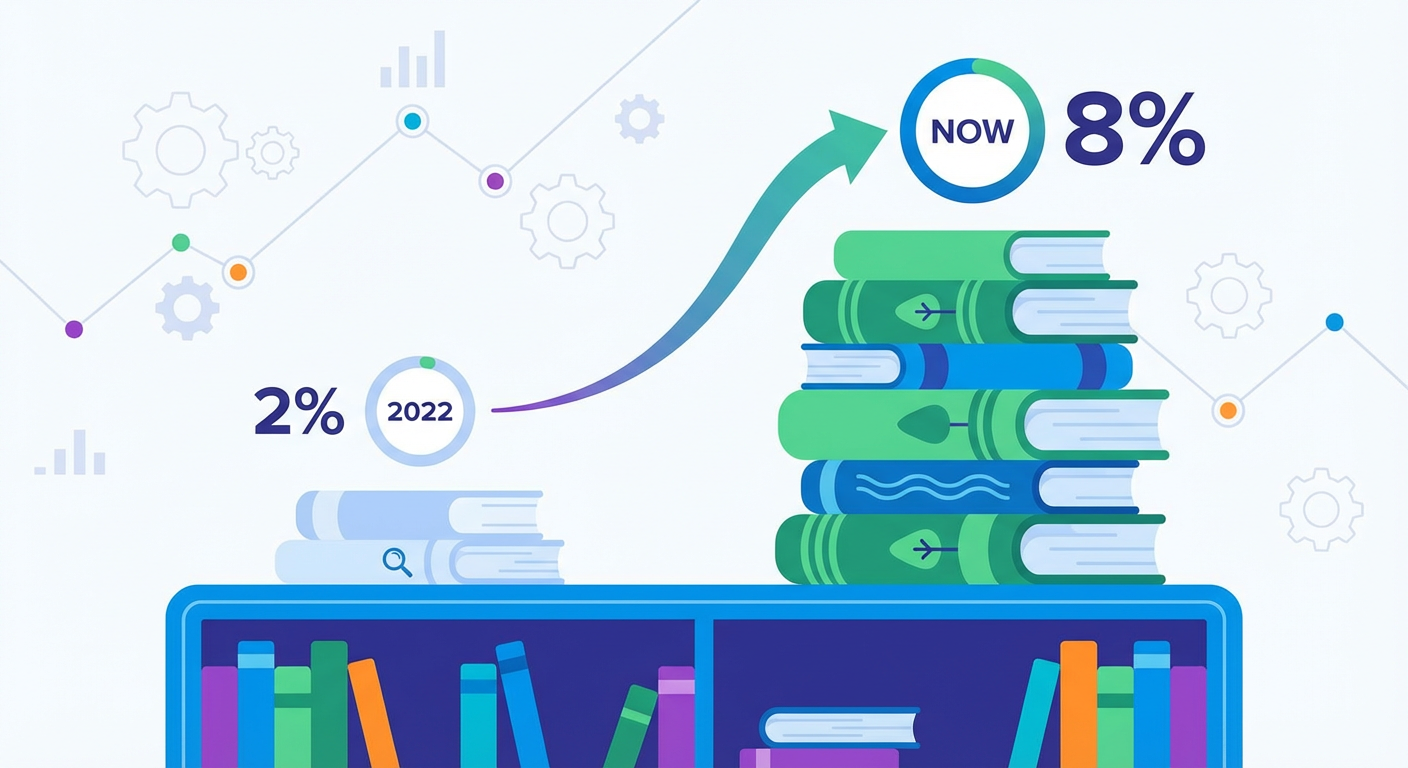
The NPD BookScan Climate Fiction Sales Data shows something fascinating. Climate fiction now accounts for 8 percent of all literary fiction sales, a dramatic leap from just 2 percent three years ago. More telling still, this year’s Pulitzer Prize for Fiction shortlist features three climate-themed novels — the highest number in the award’s history. When the literary establishment starts paying attention like this, you know we’re witnessing a genuine cultural shift, not just a seasonal spike in book sales.

What strikes me most about these numbers is how they reflect readers actively seeking out stories that grapple with our current moment. We’re not just buying these books because they’re trendy. We’re buying them because we need them. Climate fiction gives us something traditional literary fiction often struggles with: a way to process the overwhelming reality of environmental crisis through the safety and intimacy of narrative.

Illustration for Why I'm Finally Putting Climate Fiction First on My Reading List (And Why You Should Too)
Illustration for Why I’m Finally Putting Climate Fiction First on My Reading List (And Why You Should Too)

Why Climate Fiction Works When Apocalypse Fatigue Doesn’t

Here’s where I need to address the elephant in the room. For years, I’ve watched readers bounce off climate fiction because they assumed it meant drowning in dystopian despair or getting lectured about polar ice caps. I get it. Nobody wants to feel like they’re doing homework when they’re trying to escape into a good story. But the climate fiction that’s breaking through right now isn’t your typical doom-and-gloom scenario.

The best cli-fi writers understand something crucial: effective environmental storytelling isn’t about scaring people into action. It’s about helping us imagine different ways of living, different relationships with the natural world, and different futures than the ones we’re currently barreling toward. These aren’t books that make you feel guilty for existing. They’re books that make you feel curious about what comes next.

Take someone like Kim Stanley Robinson, whose recent work focuses on solutions and adaptation rather than collapse. Or consider how Indigenous authors like Rebecca Roanhorse are weaving traditional ecological knowledge into speculative narratives that feel both ancient and urgently contemporary. These writers aren’t preaching. They’re world-building in ways that expand our sense of what’s possible.

The Publishing Industry Finally Catches Up

What’s really validating about this moment is watching major publishers recognize what many of us have known for years: there’s serious literary merit in climate fiction, and more importantly, there’s a hungry readership for it. Both Macmillan and Simon & Schuster launched dedicated climate fiction imprints in late 2024, signaling a level of institutional commitment that goes far beyond acquiring the occasional cli-fi novel.

This matters because it means we’re going to see more resources poured into developing climate fiction authors, more marketing support for these books, and crucially, more editorial guidance that helps writers craft environmental narratives that work as literature, not just advocacy. The Publishers Weekly Climate Fiction Publishing Trends analysis shows how these imprints are specifically focusing on literary quality alongside environmental themes.

I’m particularly excited about how this institutional support might change the diversity of voices in climate fiction. Environmental issues affect different communities in vastly different ways, and we need stories that reflect that complexity. When publishers commit resources to developing cli-fi, they’re more likely to seek out authors who can bring those varied perspectives to the genre.

Building Your Climate Fiction Reading Path

If you’re ready to dive into climate fiction but feel overwhelmed by where to start, let me offer some guidance based on what I’ve seen work for different types of readers. The key is finding your entry point based on what already draws you to books, then expanding from there.

For literary fiction lovers, I’d start with something like Lydia Millet’s “A Children’s Bible” or Richard Powers’ “The Overstory.” These books approach environmental themes through character-driven narratives that prioritize emotional truth over technical exposition. If you’re drawn to speculative fiction, Kim Stanley Robinson’s “New York 2140” or Paolo Bacigalupi’s “The Water Will Come” give you fascinating glimpses of adapted futures without sacrificing narrative momentum.

Genre fiction readers shouldn’t feel left out either. Climate fiction shows up beautifully in mystery (think Nevada Barr’s environmental crime novels), romance (Alyssa Cole’s “A Princess in Theory” weaves climate themes into contemporary romance), and even horror (Jeff VanderMeer’s “Annihilation” uses environmental uncanny to stunning effect). The point is to start where you’re comfortable and let your curiosity guide you deeper into the genre.

What I love about Goodreads data showing a 340 percent increase in climate change-tagged books being added to reading lists this year is how it suggests readers are approaching this systematically. People aren’t just grabbing random cli-fi novels. They’re building intentional reading paths through the genre. That’s exactly the kind of thoughtful engagement that leads to lasting appreciation rather than trend-following.

Why This Movement Matters Beyond Books

Look, I’m not going to pretend that reading climate fiction is going to single-handedly solve environmental crisis. But I do think there’s something profound happening when readers actively choose stories that help them imagine different relationships with the natural world. Fiction has always been one of our most powerful tools for expanding empathy and possibility, and climate fiction does both in ways that feel urgently necessary right now.

What excites me most about the 2025 green reading movement is how it’s creating space for conversations about environmental issues that feel productive rather than paralyzing. When you finish a great cli-fi novel, you don’t just feel informed about climate change — you feel connected to a larger community of people grappling with the same questions about how we want to live on this planet.

The books we choose to read collectively shape our cultural imagination. If climate fiction is finally breaking into the mainstream, it means we’re collectively choosing to imagine futures that account for environmental reality. That strikes me as both necessary and hopeful in ways that pure activism or scientific reporting sometimes struggle to achieve.

What climate fiction have you been meaning to read? I’m always collecting recommendations from fellow readers who’ve found books that changed how they think about our environmental moment. Drop me a line with your favorites or the titles sitting on your wishlist — I have a feeling 2025 is going to give us plenty more reasons to keep this conversation going.

When the Debut Novel Actually Delivers: Five Books That Earned Every Breathless Review

The Problem with Literary Darling Status

You know that sinking feeling when you finally crack open the debut everyone’s been raving about, only to find yourself three chapters in wondering if you missed something? I felt it hard with a certain much-praised literary novel last year that shall remain nameless, where the gorgeous prose couldn’t quite mask the fact that nothing particularly interesting was happening. The hype machine around debut novels has become so intense that sometimes the actual reading experience feels like showing up to a party everyone’s already left.

But here’s the thing about debuts that actually deserve their buzz: they don’t just deliver on promise, they rewrite the rules entirely. These are the books that make you understand why people were texting their friends at 2 AM, not because they hit familiar beats beautifully, but because they carved out entirely new territory. When a debut novel earns its hype, it’s usually because the author brought something from outside traditional literary circles and made it sing.

Genre-Bending That Actually Works

Take Erin Morgenstern’s “The Night Circus.” When it hit shelves in 2011, the literary world didn’t quite know what to do with a book that was part historical fiction, part fantasy, part romance, and entirely its own thing. Morgenstern, coming from a visual arts background, built a novel that functioned more like an art installation than traditional narrative. The plot moves in spirals rather than straight lines. Somehow this structure makes perfect sense for a story about a circus that exists outside normal time.

What made the hype justified wasn’t just the atmospheric writing, though that helped. It was how Morgenstern proved you could take fantasy elements seriously within literary fiction without apologizing for either tradition. She didn’t code-switch between genres. She created a new language that honored both. The book’s success opened doors for other writers working in that liminal space between literary and speculative fiction, proving that readers were hungry for stories that refused to pick just one lane.

Similarly, Carmen Maria Machado’s “Her Body and Other Parties” destroyed the artificial boundary between literary short fiction and horror. Machado brought her background in creative writing workshops together with her love of genre television and urban legends, creating stories that function as both devastating personal essays and genuinely frightening horror pieces. The hype around this collection was earned because it proved literary fiction didn’t have to abandon visceral impact to be taken seriously.

The Cross-Pollination Effect

The debuts that stick with me longest are the ones where you can feel the author’s non-literary influences seeping through every page. N.K. Jemisin’s “The Fifth Season” brought her background in psychology and her experience as a Black woman in America to epic fantasy in ways that completely transformed what epic fantasy could be. The book’s innovative second-person narration wasn’t just a stylistic choice. It was a political act that forced readers to inhabit perspectives they might otherwise observe from a safe distance.

What separated this debut from other fantasy novels wasn’t just the worldbuilding, though the seismic magic system was brilliant. It was how Jemisin used the constraints of epic fantasy to examine real-world systems of oppression with a clarity that straight literary fiction sometimes struggles to achieve. The fantastic elements weren’t escapism. They were amplification devices that made the familiar strange enough to see clearly.

Ocean Vuong pulled off something similar with “On Earth We’re Briefly Gorgeous,” bringing his experience as a poet and the son of Vietnamese immigrants to a novel that reads like a love letter written in three languages simultaneously. The book’s fragmented structure mirrors the experience of inherited trauma and translation loss, but it also draws heavily from Vuong’s poetry background to create prose that operates on multiple levels at once.

When Constraints Become Superpowers

The debut novels that surprise me most are the ones where apparent limitations become sources of strength. Hanya Yanagihara’s “A Little Life” was her second novel, but her approach felt distinctly debut-like in how it refused to follow conventional wisdom about pacing, content warnings, or reader comfort. The book’s relentless intensity and extreme length became part of its argument about friendship and trauma, not obstacles to overcome.

What made the novel’s reception so interesting was how it divided readers along unexpected lines. Genre readers, accustomed to emotional intensity and high stakes, often found it powerful and affecting. Some literary fiction readers found it manipulative or excessive. This split revealed something important about how different reading communities have trained us to expect different things from emotional content in fiction.

Madeline Miller’s “Circe” worked within the highly constrained world of Greek mythology but used those limitations to explore contemporary questions about power, autonomy, and transformation. Miller, coming from a classics background, didn’t try to modernize the ancient world so much as find the modern questions that were already embedded in these old stories. The mythological framework gave her permission to be more direct about themes that contemporary literary fiction often approaches sideways.

The Real Test of Staying Power

The debuts that hold up years later are usually the ones that changed how I think about reading itself, not just the ones that told good stories well. These books create new categories in my mind, new ways of thinking about what novels can accomplish when they stop worrying about fitting into pre-existing boxes.

The hype around debut novels often focuses on the wrong things: the advance, the author’s background, the early reviews from important publications. But the debuts worth that midnight text message are the ones that make you realize you’ve been thinking too small about what books can do. They don’t just exceed expectations. They rewrite the terms of what you’re expecting in the first place.

Which debuts have rearranged your understanding of what novels can accomplish? I’m always looking for that next book that’s going to make me question everything I thought I knew about storytelling.

When Every Book Feels Like Homework: Breaking the Spell of the Literary Wasteland

The Moment You Know You’re Stuck

You’re on page seventeen of what should be your next great read. The book has stellar reviews, comes recommended by three different friends, and sits on seventeen “Best Of” lists. But you’ve read the same paragraph four times, and your mind keeps wandering to your grocery list. You close it, pick up that thriller everyone’s talking about instead. Same thing happens. Then you try that literary fiction you’ve been meaning to get to for months. Nothing.

This isn’t about the books being bad. Reading slumps are strange beasts that transform even your most beloved authors into dense, impenetrable walls of text. I once spent six weeks unable to finish anything longer than a magazine article, despite having a stack of books I’d been genuinely excited about. The worst part? The guilt that comes with every abandoned attempt, as if you’re failing at something that used to bring you pure joy.

Why Our Reading Brain Goes on Strike

Reading slumps often hit when we’re overwhelmed elsewhere in life. Your brain, already maxed out processing work stress or family drama, simply doesn’t have the bandwidth for fictional worlds that need emotional investment. But here’s what I’ve learned after years of crawling out of these literary holes: sometimes we create our own obstacles by approaching reading like a performance instead of a pleasure.

The pressure to read “important” books, to keep up with the latest releases, to maintain your Goodreads streak can turn reading from escape into obligation. When I found myself forcing my way through a critically acclaimed novel that felt like chewing cardboard, I realized I’d been reading for some imaginary audience instead of myself. The book wasn’t bad. My relationship with reading had become transactional.

Environmental factors matter too. If you usually read in bed but suddenly that space feels tied to anxiety about sleep, your brain might reject the activity entirely. Our reading habits are more fragile than we think, built on routines and associations that can crumble when other parts of life shift.

The Art of Strategic Surrender

The first step out of a reading slump is counterintuitive: stop trying so hard. Put down the book you think you should be reading and pick up something that needs zero intellectual effort. I’m talking about rereading Harry Potter, diving into romance novels, or grabbing whatever caught your eye at the grocery store checkout. The goal isn’t literary enrichment. It’s remembering that words on a page can transport you.

During my last major slump, salvation came in the form of Agatha Christie. I’d read most of her work years before, but returning to Hercule Poirot felt like visiting an old friend’s house where I knew exactly where everything was kept. The familiar rhythms of her prose, the comforting predictability of the structure, reminded my brain what it felt like to slip effortlessly into a story. Within a week, I was ready for new territory again.

Short stories work magic here too. Alice Munro’s collections have rescued me more than once because each story feels complete and manageable. You get the satisfaction of finishing something without committing to 300 pages. Ray Bradbury’s The Illustrated Man works the same way, offering bite-sized glimpses into other worlds when a full novel feels impossible.

Changing the Reading Environment

Sometimes the problem isn’t what you’re reading but how and where you’re reading it. If your usual reading chair has become the place where you doom-scroll your phone, it might be time to relocate. I’ve broken slumps by reading in coffee shops, on park benches, even in my car during lunch breaks. New environments can trick your brain into approaching the activity fresh.

Audiobooks deserve special mention here. There’s something almost magical about having a story told to you when your eyes feel tired of scanning pages. The right narrator can make even a challenging book feel accessible. I finally got through Circe by Madeline Miller not because I suddenly found the energy to focus on the text, but because Perdita Weeks’ narration pulled me in when my usual reading stamina had vanished.

Try reading at different times too. If evenings have become too chaotic, steal fifteen minutes in the morning with coffee. The key is breaking the association between reading and whatever stress or pressure has built up around it.

Building Back Slowly

The temptation, once you’ve finished one book, is to immediately dive into something ambitious to make up for lost time. Resist this. Treat your reading brain like it’s recovering from injury. Start with books that genuinely appeal to you, not ones that will impress anyone else. Follow your curiosity rather than your reading list.

I keep a “slump-buster shelf” of books that I know work for me when nothing else will. These aren’t necessarily my favorite books of all time, but they’re reliable friends: engaging enough to hold attention, familiar enough to feel safe, varied enough that I can match my mood. Your shelf might include mystery series, graphic novels, poetry collections, or that one author whose voice always feels like home.

Pay attention to what breaks the spell when it happens. Was it the change of genre, the shift to physical books after weeks of trying to read on screens, the decision to read in the bathtub instead of bed? These details matter for preventing future slumps or climbing out of them more quickly.

Reading slumps aren’t character flaws or signs that you’re becoming less intelligent. They’re natural cycles that every committed reader goes through, like winter following fall. The books will wait. Your love of reading will return, probably when you least expect it and almost certainly in a form that surprises you.