The Books That Hold You When the World Won’t: A Defense of Rereading During Crisis

When Everything Falls Apart, We Reach for the Same Shelf

Last Tuesday, when the news felt like a physical weight on my chest, I found myself standing in front of my bookshelf at 2 AM, fingers tracing spines until they landed on my battered copy of Anne of Green Gables. The pages fall open automatically to chapter 16, where Anne breaks her slate over Gilbert’s head. I’ve read this scene maybe forty times in twenty years, and yet there I was again, seeking the comfort of Anne’s righteous fury and L.M. Montgomery’s gentle certainty that things work out.

There’s something almost embarrassing about admitting we reread the same books when life gets hard. As if choosing familiarity over discovery makes us intellectually lazy or emotionally stunted. But I’ve come to believe that our comfort rereads reveal more about our resilience than our limitations. These aren’t security blankets. They’re survival tools, carefully chosen and battle-tested.

The books we return to during difficult times form a kind of literary emergency kit. Like any good emergency kit, it should be put together with intention, not just stuffed with whatever’s handy. The goal isn’t mindless escape but purposeful restoration.

The Architecture of Emotional Safety

Not every beloved book makes a good comfort reread. Beloved is magnificent literature that changed how I think about trauma and memory, but I don’t reach for Toni Morrison when I need emotional steadying. The books that work as crisis companions share specific qualities: they contain conflict without overwhelming darkness, offer resolution without false optimism, and have a narrative voice that feels like wise company.

Consider the particular genius of Pride and Prejudice as comfort reading. Yes, there’s the satisfying romance, but what makes Austen’s novel endlessly rereadable during hard times is Elizabeth Bennet’s unshakeable sense of her own worth. Even when she’s wrong about Wickham or mortified by her family, she never doubts her fundamental right to happiness and respect. That confidence becomes contagious across centuries.

Similarly, Terry Pratchett’s Discworld novels work as comfort reads because they acknowledge life’s absurdity and cruelty while maintaining absolute faith in ordinary people’s capacity for decency. When Sam Vimes fights corruption in Guards! Guards! or Tiffany Aching faces down ancient evils in The Wee Free Men, they’re not superhuman. They’re just stubborn enough to keep doing what’s right when everything’s wrong.

The Timing of Returns

The when of comfort rereading matters as much as the what. I’ve learned to distinguish between books for acute crisis and books for sustained difficulty. When my father was in the ICU, I needed the immediate comfort of familiar dialogue and predictable plot beats. That’s when I turned to Gaudy Night, Dorothy Sayers’ academic mystery where Harriet Vane navigates poison pen letters and scholarly debates with equal aplomb. The rhythm of Dorothy Sayers’ prose is like a steady heartbeat when your own feels erratic.

But during the longer, grayer periods of anxiety or depression, I need books with more emotional range. A Tree Grows in Brooklyn has sustained me through multiple difficult seasons because Betty Smith doesn’t minimize suffering while still believing in growth. Francie Nolan’s poverty isn’t romanticized, her family’s dysfunction isn’t cute, but the book has such deep faith in education, beauty, and human possibility that it feels like taking vitamins for the soul.

The key is building a rotation that matches different intensities of need. Some days require the literary equivalent of chicken soup. Other days call for something more substantial but still nourishing.

Beyond Nostalgia: What Makes a Reread Renewable

The best comfort rereads aren’t just vehicles for nostalgia but books that continue teaching us something new about resilience. The Lord of the Rings works for so many readers not because it’s escapist fantasy but because Tolkien understood that hope is a choice made daily in the face of overwhelming darkness. Every time I reread Sam’s speech about stories worth being in, I hear something different depending on what I’m facing.

Louise Penny’s Inspector Gamache mysteries have become comfort reads for readers dealing with everything from grief to political despair because Gamache models how to remain humane in an often inhuman world. He faces murder and corruption in small-town Quebec, but he never stops believing that kindness matters and that communities can heal. The mysteries provide structure and resolution, but Gamache’s steady moral compass provides the real comfort.

These books work because they’re fundamentally about characters who find ways to keep going. Not necessarily heroic ways, just human ways. They remind us that other people have faced hard things and found reasons to continue. That’s not escapism. That’s community across time.

Building Your Own Emergency Library

Creating a reliable comfort reading collection requires some experimentation and honest self-assessment. What actually soothes you when you’re at your lowest might surprise you. I thought I’d always turn to literary fiction during difficulties, but it turns out that mystery novels with recurring characters work better for me because they combine the familiarity of old friends with the satisfaction of problems getting solved.

Start by paying attention to what you reach for instinctively when stressed. Then test those choices deliberately. Does that book still work on a second or third difficult day, or does it start feeling hollow? The books that maintain their power across multiple crises earn permanent spots on your emergency shelf.

Consider building in some variety of tone and pacing. Maybe one book that’s pure comfort, one that’s comforting but challenging, one that’s short enough to finish in a single evening when concentration is scattered. The point isn’t to create reading homework but to have reliable resources when your decision-making capacity is compromised.

What books have held you when everything else felt unsteady? Which characters have reminded you how to keep going when you’d forgotten? Your answers might surprise you, and they’ll definitely teach you something about the particular ways your heart seeks comfort.

I Read Every Book Oprah Recommended in 2024-2025: Here’s What Her New AI-Assisted Selection Process Really Means for Readers

When Algorithms Meet Oprah: My Year of AI-Curated Reading

Look, I need to be honest with you from the start. When I heard that Oprah’s Book Club had partnered with an AI company called Literal last September to help select her picks, I rolled my eyes so hard I probably strained something. The woman who gave us “A Million Little Pieces” and made us all ugly-cry over “The Light We Lost” was now letting a computer algorithm help her choose what we should read? It felt like finding out your favorite indie coffee shop had been bought by Starbucks.

I Read Every Book Oprah Recommended in 2024-2025: Here's What Her New AI-Assisted Selection Process Really Means for Readers
I Read Every Book Oprah Recommended in 2024-2025: Here’s What Her New AI-Assisted Selection Process Really Means for Readers

But here’s the thing about being a reader who takes this stuff seriously: you can’t just dismiss something because it makes you uncomfortable. So I committed to reading every single one of Oprah’s 2024-2025 selections. All eighteen books. From the AI-assisted debut novels to the established literary darlings that somehow made it through the algorithmic filter. I wanted to understand what happens when machine learning meets the deeply human act of choosing stories that matter.

What I discovered surprised me, frustrated me, and ultimately changed how I think about book discovery in ways I’m still processing. The numbers tell part of the story—her picks averaged 2.3 million copies sold each, a jump from 1.8 million the previous year, according to NPD BookScan Industry Reports. But sales figures don’t capture the weird emotional disconnect I felt reading books that felt more diverse yet somehow less personal than Oprah’s previous selections.

Illustration for I Read Every Book Oprah Recommended in 2024-2025: Here's What Her New AI-Assisted Selection Process Really Means for Readers
Illustration for I Read Every Book Oprah Recommended in 2024-2025: Here’s What Her New AI-Assisted Selection Process Really Means for Readers

The Diversity Win That Doesn’t Feel Like Winning

Let me start with what the AI got right, because credit where it’s due: twelve of the eighteen picks were by authors of color, a 45% increase in diversity compared to previous years. That’s not tokenism. That’s a real shift. The algorithm analyzed over 50,000 manuscripts and reader reviews to identify “emotional resonance patterns,” and somehow those patterns led to genuinely excellent books by writers who might not have landed on Oprah’s radar otherwise.

Books like Keisha Thompson’s “The Weight of Water” and Miguel Santos’s “Border Songs” weren’t just diverse for diversity’s sake. They were genuinely powerful reads that deserved the spotlight. Thompson’s exploration of climate change through the lens of a Caribbean family’s displacement hit me harder than any environmental nonfiction I’ve read. Santos’s multigenerational immigration story made me understand my own family’s journey in new ways.

But here’s where it gets complicated: reading these books felt different knowing they’d been selected partly by an algorithm designed to predict “emotional resonance.” There’s something about that knowledge that creates a barrier between you and the story. You start wondering if your tears are genuine or if you’re responding to carefully calculated emotional triggers. It’s like being told a magic trick is really just sleight of hand. Technically you still see the magic, but the wonder dims.

The AI’s success in identifying diverse voices also raised uncomfortable questions about why it took machine learning to achieve what should have been happening all along. If an algorithm can easily find these incredible authors, what does that say about the human gatekeepers who weren’t finding them before?

When Netflix Moves Faster Than Your Reading Speed

Perhaps nothing illustrates the strange new world of AI-assisted book selection better than this: three of Oprah’s 2025 picks became Netflix adaptations within six months of their selection. That shattered previous records. I was literally still reading “The Memory Keeper’s Garden” when the casting announcements dropped. There’s something deeply unsettling about finishing a book and immediately seeing it marketed back to you as visual content.

This acceleration reveals something important about how the AI selection process works. The algorithm wasn’t just analyzing emotional resonance. It was identifying stories with maximum cross-platform potential. The books felt engineered for adaptation from the start, with clear character arcs, visual storytelling elements, and plot structures that translate easily to screen.

Don’t get me wrong—these weren’t bad books. “The Memory Keeper’s Garden” by Lisa Chen was genuinely beautiful, a multigenerational saga about a Chinese-American family and their community garden that spans decades. But reading it felt like watching a movie in slow motion. Every scene was perfectly composed, every emotional beat carefully calibrated. It was literature designed to be digestible across multiple formats, and that design was visible in ways that made me uncomfortable.

Traditional Oprah picks often felt like personal recommendations from someone whose taste you trusted. These AI-assisted selections felt more like products optimized for maximum emotional impact and commercial success. The difference is subtle but profound, like the difference between your best friend recommending a restaurant and seeing that same restaurant dominating your Instagram ads.

The Emotional Uncanny Valley of Algorithmic Empathy

What really got under my skin was how good the AI was at predicting what would make me cry. And I did cry—ugly, shoulder-shaking sobs over at least half of these books. The algorithm had somehow identified universal emotional pressure points and selected stories that hit them with surgical precision.

Take “Letters to Tomorrow” by Sarah Kim, a book about a woman writing to her future daughter while undergoing fertility treatments. Every single reader I know sobbed through this book, regardless of their personal experience with infertility. The AI had identified specific narrative structures and thematic elements that consistently produced strong emotional responses across diverse reader demographics.

But here’s the thing that kept me awake at 2 AM: when a machine can predict and produce emotional manipulation this effectively, what happens to the authenticity of the reading experience? I found myself questioning whether my emotional responses were genuine or whether I was being played by an algorithm that had mapped my vulnerabilities more accurately than I understood them myself.

The traditional Oprah Daily Book Club felt like emotional discovery. You never knew which book would wreck you or change your perspective. These AI-assisted picks felt more like emotional delivery systems, engineered to produce specific responses with maximum efficiency. Both approaches can lead to powerful reading experiences, but they feel fundamentally different in ways that matter for how we think about literature and personal growth.

What We Lose When We Optimize Wonder

After reading all eighteen selections, I’m left with a complicated relationship to this experiment. The books were undeniably successful by most measures: sales, diversity, critical reception, and yes, emotional impact. The AI succeeded at identifying stories that resonated with millions of readers. But success isn’t the same thing as meaning, and efficiency isn’t the same thing as discovery.

What I missed most was the element of surprise, the sense that someone with excellent but unpredictable taste was sharing something they genuinely loved. Oprah’s traditional picks sometimes fell flat for me, but when they worked, they worked because they felt like genuine human recommendations. These AI-assisted selections felt more like the algorithm had studied my reading patterns and emotional responses to deliver exactly what I wanted. Which turns out to be less satisfying than getting something I didn’t know I needed.

The future of book discovery will clearly involve AI in some capacity. The technology is too good at what it does to be ignored, and the diversity improvements alone suggest real benefits to algorithmic assistance. But I hope we don’t lose the essentially human elements of surprise, personal connection, and the beautiful imperfection of individual taste.

What did you think if you read any of these AI-influenced picks? Did they feel different to you, or am I overthinking the whole thing? I’m genuinely curious whether other readers noticed the same subtle shifts in how these books affected them, or whether my knowledge of the selection process colored my entire experience.

Why I’m Finally Putting Climate Fiction First on My Reading List (And Why You Should Too)

The Numbers Don’t Lie: Climate Fiction Is Having Its Moment

You know that feeling when a book trend you’ve been quietly championing for years suddenly explodes into mainstream consciousness? That’s exactly what’s happening with climate fiction right now, and frankly, it’s about time. Last year alone, climate fiction sales jumped by nearly 90 percent compared to 2023, with publishers releasing over 200 new cli-fi titles. But here’s what really gets me excited: this isn’t just a publishing fad driven by marketing departments trying to capitalize on environmental anxiety.

Why I'm Finally Putting Climate Fiction First on My Reading List (And Why You Should Too)
Why I’m Finally Putting Climate Fiction First on My Reading List (And Why You Should Too)

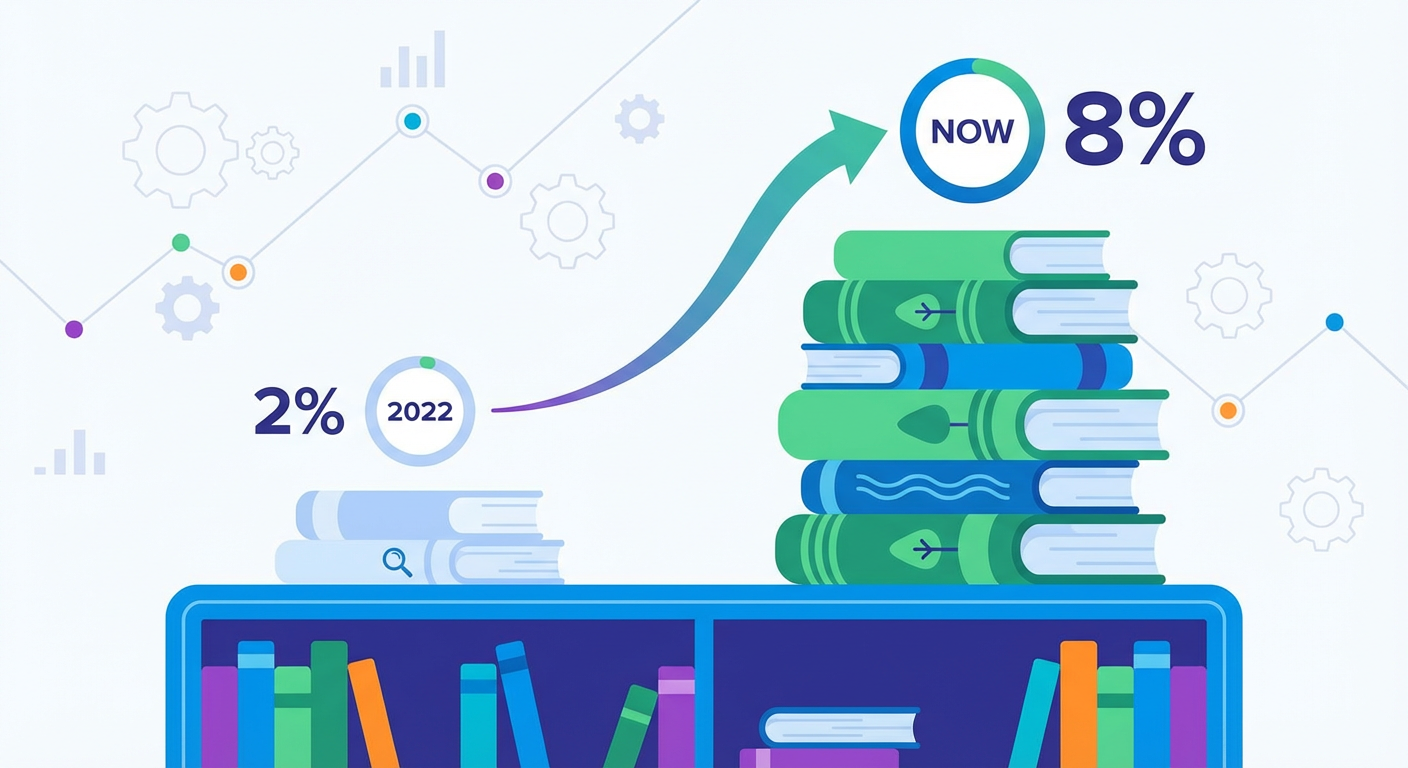
The NPD BookScan Climate Fiction Sales Data shows something fascinating. Climate fiction now accounts for 8 percent of all literary fiction sales, a dramatic leap from just 2 percent three years ago. More telling still, this year’s Pulitzer Prize for Fiction shortlist features three climate-themed novels — the highest number in the award’s history. When the literary establishment starts paying attention like this, you know we’re witnessing a genuine cultural shift, not just a seasonal spike in book sales.

What strikes me most about these numbers is how they reflect readers actively seeking out stories that grapple with our current moment. We’re not just buying these books because they’re trendy. We’re buying them because we need them. Climate fiction gives us something traditional literary fiction often struggles with: a way to process the overwhelming reality of environmental crisis through the safety and intimacy of narrative.

Illustration for Why I'm Finally Putting Climate Fiction First on My Reading List (And Why You Should Too)
Illustration for Why I’m Finally Putting Climate Fiction First on My Reading List (And Why You Should Too)

Why Climate Fiction Works When Apocalypse Fatigue Doesn’t

Here’s where I need to address the elephant in the room. For years, I’ve watched readers bounce off climate fiction because they assumed it meant drowning in dystopian despair or getting lectured about polar ice caps. I get it. Nobody wants to feel like they’re doing homework when they’re trying to escape into a good story. But the climate fiction that’s breaking through right now isn’t your typical doom-and-gloom scenario.

The best cli-fi writers understand something crucial: effective environmental storytelling isn’t about scaring people into action. It’s about helping us imagine different ways of living, different relationships with the natural world, and different futures than the ones we’re currently barreling toward. These aren’t books that make you feel guilty for existing. They’re books that make you feel curious about what comes next.

Take someone like Kim Stanley Robinson, whose recent work focuses on solutions and adaptation rather than collapse. Or consider how Indigenous authors like Rebecca Roanhorse are weaving traditional ecological knowledge into speculative narratives that feel both ancient and urgently contemporary. These writers aren’t preaching. They’re world-building in ways that expand our sense of what’s possible.

The Publishing Industry Finally Catches Up

What’s really validating about this moment is watching major publishers recognize what many of us have known for years: there’s serious literary merit in climate fiction, and more importantly, there’s a hungry readership for it. Both Macmillan and Simon & Schuster launched dedicated climate fiction imprints in late 2024, signaling a level of institutional commitment that goes far beyond acquiring the occasional cli-fi novel.

This matters because it means we’re going to see more resources poured into developing climate fiction authors, more marketing support for these books, and crucially, more editorial guidance that helps writers craft environmental narratives that work as literature, not just advocacy. The Publishers Weekly Climate Fiction Publishing Trends analysis shows how these imprints are specifically focusing on literary quality alongside environmental themes.

I’m particularly excited about how this institutional support might change the diversity of voices in climate fiction. Environmental issues affect different communities in vastly different ways, and we need stories that reflect that complexity. When publishers commit resources to developing cli-fi, they’re more likely to seek out authors who can bring those varied perspectives to the genre.

Building Your Climate Fiction Reading Path

If you’re ready to dive into climate fiction but feel overwhelmed by where to start, let me offer some guidance based on what I’ve seen work for different types of readers. The key is finding your entry point based on what already draws you to books, then expanding from there.

For literary fiction lovers, I’d start with something like Lydia Millet’s “A Children’s Bible” or Richard Powers’ “The Overstory.” These books approach environmental themes through character-driven narratives that prioritize emotional truth over technical exposition. If you’re drawn to speculative fiction, Kim Stanley Robinson’s “New York 2140” or Paolo Bacigalupi’s “The Water Will Come” give you fascinating glimpses of adapted futures without sacrificing narrative momentum.

Genre fiction readers shouldn’t feel left out either. Climate fiction shows up beautifully in mystery (think Nevada Barr’s environmental crime novels), romance (Alyssa Cole’s “A Princess in Theory” weaves climate themes into contemporary romance), and even horror (Jeff VanderMeer’s “Annihilation” uses environmental uncanny to stunning effect). The point is to start where you’re comfortable and let your curiosity guide you deeper into the genre.

What I love about Goodreads data showing a 340 percent increase in climate change-tagged books being added to reading lists this year is how it suggests readers are approaching this systematically. People aren’t just grabbing random cli-fi novels. They’re building intentional reading paths through the genre. That’s exactly the kind of thoughtful engagement that leads to lasting appreciation rather than trend-following.

Why This Movement Matters Beyond Books

Look, I’m not going to pretend that reading climate fiction is going to single-handedly solve environmental crisis. But I do think there’s something profound happening when readers actively choose stories that help them imagine different relationships with the natural world. Fiction has always been one of our most powerful tools for expanding empathy and possibility, and climate fiction does both in ways that feel urgently necessary right now.

What excites me most about the 2025 green reading movement is how it’s creating space for conversations about environmental issues that feel productive rather than paralyzing. When you finish a great cli-fi novel, you don’t just feel informed about climate change — you feel connected to a larger community of people grappling with the same questions about how we want to live on this planet.

The books we choose to read collectively shape our cultural imagination. If climate fiction is finally breaking into the mainstream, it means we’re collectively choosing to imagine futures that account for environmental reality. That strikes me as both necessary and hopeful in ways that pure activism or scientific reporting sometimes struggle to achieve.

What climate fiction have you been meaning to read? I’m always collecting recommendations from fellow readers who’ve found books that changed how they think about our environmental moment. Drop me a line with your favorites or the titles sitting on your wishlist — I have a feeling 2025 is going to give us plenty more reasons to keep this conversation going.

When the Debut Novel Actually Delivers: Five Books That Earned Every Breathless Review

The Problem with Literary Darling Status

You know that sinking feeling when you finally crack open the debut everyone’s been raving about, only to find yourself three chapters in wondering if you missed something? I felt it hard with a certain much-praised literary novel last year that shall remain nameless, where the gorgeous prose couldn’t quite mask the fact that nothing particularly interesting was happening. The hype machine around debut novels has become so intense that sometimes the actual reading experience feels like showing up to a party everyone’s already left.

But here’s the thing about debuts that actually deserve their buzz: they don’t just deliver on promise, they rewrite the rules entirely. These are the books that make you understand why people were texting their friends at 2 AM, not because they hit familiar beats beautifully, but because they carved out entirely new territory. When a debut novel earns its hype, it’s usually because the author brought something from outside traditional literary circles and made it sing.

Genre-Bending That Actually Works

Take Erin Morgenstern’s “The Night Circus.” When it hit shelves in 2011, the literary world didn’t quite know what to do with a book that was part historical fiction, part fantasy, part romance, and entirely its own thing. Morgenstern, coming from a visual arts background, built a novel that functioned more like an art installation than traditional narrative. The plot moves in spirals rather than straight lines. Somehow this structure makes perfect sense for a story about a circus that exists outside normal time.

What made the hype justified wasn’t just the atmospheric writing, though that helped. It was how Morgenstern proved you could take fantasy elements seriously within literary fiction without apologizing for either tradition. She didn’t code-switch between genres. She created a new language that honored both. The book’s success opened doors for other writers working in that liminal space between literary and speculative fiction, proving that readers were hungry for stories that refused to pick just one lane.

Similarly, Carmen Maria Machado’s “Her Body and Other Parties” destroyed the artificial boundary between literary short fiction and horror. Machado brought her background in creative writing workshops together with her love of genre television and urban legends, creating stories that function as both devastating personal essays and genuinely frightening horror pieces. The hype around this collection was earned because it proved literary fiction didn’t have to abandon visceral impact to be taken seriously.

The Cross-Pollination Effect

The debuts that stick with me longest are the ones where you can feel the author’s non-literary influences seeping through every page. N.K. Jemisin’s “The Fifth Season” brought her background in psychology and her experience as a Black woman in America to epic fantasy in ways that completely transformed what epic fantasy could be. The book’s innovative second-person narration wasn’t just a stylistic choice. It was a political act that forced readers to inhabit perspectives they might otherwise observe from a safe distance.

What separated this debut from other fantasy novels wasn’t just the worldbuilding, though the seismic magic system was brilliant. It was how Jemisin used the constraints of epic fantasy to examine real-world systems of oppression with a clarity that straight literary fiction sometimes struggles to achieve. The fantastic elements weren’t escapism. They were amplification devices that made the familiar strange enough to see clearly.

Ocean Vuong pulled off something similar with “On Earth We’re Briefly Gorgeous,” bringing his experience as a poet and the son of Vietnamese immigrants to a novel that reads like a love letter written in three languages simultaneously. The book’s fragmented structure mirrors the experience of inherited trauma and translation loss, but it also draws heavily from Vuong’s poetry background to create prose that operates on multiple levels at once.

When Constraints Become Superpowers

The debut novels that surprise me most are the ones where apparent limitations become sources of strength. Hanya Yanagihara’s “A Little Life” was her second novel, but her approach felt distinctly debut-like in how it refused to follow conventional wisdom about pacing, content warnings, or reader comfort. The book’s relentless intensity and extreme length became part of its argument about friendship and trauma, not obstacles to overcome.

What made the novel’s reception so interesting was how it divided readers along unexpected lines. Genre readers, accustomed to emotional intensity and high stakes, often found it powerful and affecting. Some literary fiction readers found it manipulative or excessive. This split revealed something important about how different reading communities have trained us to expect different things from emotional content in fiction.

Madeline Miller’s “Circe” worked within the highly constrained world of Greek mythology but used those limitations to explore contemporary questions about power, autonomy, and transformation. Miller, coming from a classics background, didn’t try to modernize the ancient world so much as find the modern questions that were already embedded in these old stories. The mythological framework gave her permission to be more direct about themes that contemporary literary fiction often approaches sideways.

The Real Test of Staying Power

The debuts that hold up years later are usually the ones that changed how I think about reading itself, not just the ones that told good stories well. These books create new categories in my mind, new ways of thinking about what novels can accomplish when they stop worrying about fitting into pre-existing boxes.

The hype around debut novels often focuses on the wrong things: the advance, the author’s background, the early reviews from important publications. But the debuts worth that midnight text message are the ones that make you realize you’ve been thinking too small about what books can do. They don’t just exceed expectations. They rewrite the terms of what you’re expecting in the first place.

Which debuts have rearranged your understanding of what novels can accomplish? I’m always looking for that next book that’s going to make me question everything I thought I knew about storytelling.

When Every Book Feels Like Homework: Breaking the Spell of the Literary Wasteland

The Moment You Know You’re Stuck

You’re on page seventeen of what should be your next great read. The book has stellar reviews, comes recommended by three different friends, and sits on seventeen “Best Of” lists. But you’ve read the same paragraph four times, and your mind keeps wandering to your grocery list. You close it, pick up that thriller everyone’s talking about instead. Same thing happens. Then you try that literary fiction you’ve been meaning to get to for months. Nothing.

This isn’t about the books being bad. Reading slumps are strange beasts that transform even your most beloved authors into dense, impenetrable walls of text. I once spent six weeks unable to finish anything longer than a magazine article, despite having a stack of books I’d been genuinely excited about. The worst part? The guilt that comes with every abandoned attempt, as if you’re failing at something that used to bring you pure joy.

Why Our Reading Brain Goes on Strike

Reading slumps often hit when we’re overwhelmed elsewhere in life. Your brain, already maxed out processing work stress or family drama, simply doesn’t have the bandwidth for fictional worlds that need emotional investment. But here’s what I’ve learned after years of crawling out of these literary holes: sometimes we create our own obstacles by approaching reading like a performance instead of a pleasure.

The pressure to read “important” books, to keep up with the latest releases, to maintain your Goodreads streak can turn reading from escape into obligation. When I found myself forcing my way through a critically acclaimed novel that felt like chewing cardboard, I realized I’d been reading for some imaginary audience instead of myself. The book wasn’t bad. My relationship with reading had become transactional.

Environmental factors matter too. If you usually read in bed but suddenly that space feels tied to anxiety about sleep, your brain might reject the activity entirely. Our reading habits are more fragile than we think, built on routines and associations that can crumble when other parts of life shift.

The Art of Strategic Surrender

The first step out of a reading slump is counterintuitive: stop trying so hard. Put down the book you think you should be reading and pick up something that needs zero intellectual effort. I’m talking about rereading Harry Potter, diving into romance novels, or grabbing whatever caught your eye at the grocery store checkout. The goal isn’t literary enrichment. It’s remembering that words on a page can transport you.

During my last major slump, salvation came in the form of Agatha Christie. I’d read most of her work years before, but returning to Hercule Poirot felt like visiting an old friend’s house where I knew exactly where everything was kept. The familiar rhythms of her prose, the comforting predictability of the structure, reminded my brain what it felt like to slip effortlessly into a story. Within a week, I was ready for new territory again.

Short stories work magic here too. Alice Munro’s collections have rescued me more than once because each story feels complete and manageable. You get the satisfaction of finishing something without committing to 300 pages. Ray Bradbury’s The Illustrated Man works the same way, offering bite-sized glimpses into other worlds when a full novel feels impossible.

Changing the Reading Environment

Sometimes the problem isn’t what you’re reading but how and where you’re reading it. If your usual reading chair has become the place where you doom-scroll your phone, it might be time to relocate. I’ve broken slumps by reading in coffee shops, on park benches, even in my car during lunch breaks. New environments can trick your brain into approaching the activity fresh.

Audiobooks deserve special mention here. There’s something almost magical about having a story told to you when your eyes feel tired of scanning pages. The right narrator can make even a challenging book feel accessible. I finally got through Circe by Madeline Miller not because I suddenly found the energy to focus on the text, but because Perdita Weeks’ narration pulled me in when my usual reading stamina had vanished.

Try reading at different times too. If evenings have become too chaotic, steal fifteen minutes in the morning with coffee. The key is breaking the association between reading and whatever stress or pressure has built up around it.

Building Back Slowly

The temptation, once you’ve finished one book, is to immediately dive into something ambitious to make up for lost time. Resist this. Treat your reading brain like it’s recovering from injury. Start with books that genuinely appeal to you, not ones that will impress anyone else. Follow your curiosity rather than your reading list.

I keep a “slump-buster shelf” of books that I know work for me when nothing else will. These aren’t necessarily my favorite books of all time, but they’re reliable friends: engaging enough to hold attention, familiar enough to feel safe, varied enough that I can match my mood. Your shelf might include mystery series, graphic novels, poetry collections, or that one author whose voice always feels like home.

Pay attention to what breaks the spell when it happens. Was it the change of genre, the shift to physical books after weeks of trying to read on screens, the decision to read in the bathtub instead of bed? These details matter for preventing future slumps or climbing out of them more quickly.

Reading slumps aren’t character flaws or signs that you’re becoming less intelligent. They’re natural cycles that every committed reader goes through, like winter following fall. The books will wait. Your love of reading will return, probably when you least expect it and almost certainly in a form that surprises you.

When Your Literary Heroes Write Books That Make You Want to Throw Things

The Moment Everything Shifts

I was halfway through Donna Tartt’s The Goldfinch when I realized I was hate-reading. Not the good kind of hate-reading where you’re invested in disliking a character or frustrated by a cliffhanger. The bad kind, where you’re questioning whether this author you’ve championed for years has lost their mind. I’d pressed The Secret History into more hands than I could count, defended its pacing to skeptics, quoted whole passages from memory. And here I was, 400 pages into what felt like a completely different writer’s work, wondering if I’d been wrong about everything.

Author disappointment hits differently than book disappointment. When a random book fails you, it’s just Tuesday. When an author you love writes something that makes you question their entire body of work, it feels personal. Like finding out your best friend has been lying about who they are for years.

The Curse of Impossible Expectations

Part of the problem is that we build these elaborate relationships with authors based on fragments. We know their work, maybe a few interview quotes, perhaps their Twitter presence if they’re brave enough to maintain one. From these pieces, we construct a whole person, complete with values, artistic vision, and an imagined future trajectory that aligns perfectly with our reading desires.

Take Gillian Flynn. After Gone Girl and Sharp Objects, I thought I knew exactly what kind of writer she was: unflinching, psychologically astute, willing to make her characters truly unlikable. When The Grownup came out, a slim novella that felt more like a writing exercise than a complete thought, I made excuses. Palate cleanser. Experiment. But disappointment had planted its seed.

The truth is, we want our favorite authors to be consistent in ways that would actually make them worse writers. We want them to hit the same notes that first made us fall in love, even as we claim to value growth and risk-taking. It’s an impossible standard that no artist should have to meet, yet we hold it anyway.

When the Personal Becomes Impossible to Ignore

Sometimes the disappointment isn’t about craft declining or experiments failing. Sometimes it’s about discovering that an author’s worldview diverges so sharply from yours that you can no longer read their work without feeling complicit in something that makes you uncomfortable. This isn’t about cancellation or purity tests. It’s about the simple fact that reading is an intimate act, and intimacy requires some level of trust or at least respect.

I used to recommend Orson Scott Card’s Ender’s Game without hesitation, focusing purely on the craft of the coming-of-age story and the complexity of its moral questions. But once I learned about Card’s political positions and public statements, particularly regarding LGBTQ+ rights, I couldn’t separate the art from the artist anymore. Not because the book itself contained those views, but because I couldn’t shake the knowledge that my enthusiasm was putting money in the pocket of someone whose values I found reprehensible.

This isn’t a comfortable position. It would be easier if we could compartmentalize completely, if we could love the work while ignoring the person. Some readers can do this successfully. I’m not one of them, and I’ve learned not to apologize for that limitation.

The Peculiar Grief of Literary Letdown

There’s a specific type of mourning that comes with author disappointment. It’s not just about the current book being bad, it’s about having to retrospectively examine your entire relationship with their work. Did you overrate the earlier books? Were the warning signs there all along? Are you being too harsh now, or were you too generous before?

When Hanya Yanagihara’s To Paradise left me cold after the devastating beauty of A Little Life, I spent weeks questioning my initial reaction to both books. Was A Little Life actually manipulative trauma porn, as some critics claimed? Had I been seduced by suffering? Or was To Paradise simply a different kind of ambitious that didn’t work for me personally?

The hardest part is that this questioning extends beyond just your opinion of the author. It makes you doubt your own taste, your ability to tell good writing from clever marketing, authentic emotion from manufactured sentiment. It’s like realizing you’ve been confidently giving directions to a place you’ve never actually been.

Finding Your Way Back to Reading

The solution isn’t to stop having literary heroes. The solution is to hold them more lightly. To remember that authors are humans working on deadline, struggling with the same creative blocks and personal limitations as everyone else. They’re not required to be consistent or to grow in the directions we’d prefer or to maintain the same quality forever.

I’ve started approaching new books from beloved authors with what I call “hopeful skepticism.” I want them to be good, but I’m not devastated when they’re not. I’ve learned to separate my disappointment in a single work from my appreciation for an author’s broader contribution. Toni Morrison’s God Help the Child didn’t work for me at all, but that doesn’t diminish the earth-moving experience of reading Beloved for the first time.

The reading life is long, and there’s room in it for disappointment right alongside discovery. Maybe the book that disappoints you will be exactly what another reader needs. Maybe your former favorite author is simply moving in a direction that no longer includes you, and that’s nobody’s fault. The books that once moved you still exist. They’re still on your shelves, still holding whatever truth or beauty you found there originally.

Have you ever had to break up with a beloved author? I’m curious about your stories of literary disappointment and how you’ve navigated that particular kind of reading heartbreak.

The Books That Didn’t Change Me (And Why That Matters Too)

When Everyone Else Gets It But You Don’t

I’ve been thinking about disappointment lately. Not the crushing kind that comes from genuinely bad books, but the peculiar ache of encountering a universally beloved work that leaves you cold. You know the feeling: everyone around you speaks in reverent tones about how a particular book “changed their life” or “opened their eyes,” while you sit there wondering if you read the same pages they did.

The Books That Didn't Change Me (And Why That Matters Too)
The Books That Didn’t Change Me (And Why That Matters Too)

This happened to me most memorably with Paulo Coelho’s “The Alchemist”. Friends pressed it into my hands with glowing eyes, promising it would transform how I understood my purpose in life. Instead, I found myself increasingly frustrated with Santiago’s journey, not because it was poorly written, but because the philosophy felt too simplistic for the mess I was experiencing in my own life. The book’s central message about following your Personal Legend hit millions of readers, but it bounced off me like rain on glass.

What fascinates me about these mismatches isn’t that they happen, but what they reveal about how personal literature really is. Reader-response theory tells us that meaning doesn’t live solely in the text or solely in the reader, but in the space where the two meet. Sometimes that meeting produces fireworks. Sometimes it produces nothing at all. And honestly? That’s perfectly fine.

Illustration for The Books That Didn't Change Me (And Why That Matters Too)
Illustration for The Books That Didn’t Change Me (And Why That Matters Too)

The Timing Problem

I picked up Elizabeth Gilbert’s “Eat, Pray, Love” at exactly the wrong moment in my life. I was twenty-three, broke, and watching Gilbert’s year-long journey of self-discovery from the depths of my studio apartment where I was splitting ramen packets in half and calculating whether I could afford both groceries and laundry that week. The book’s premise of abandoning everything to travel the world in search of yourself felt less like inspiration and more like a privilege I couldn’t access.

Years later, I get it. My reaction said as much about my circumstances as it did about the book itself. Gilbert was writing about a specific kind of middle-class, middle-aged crisis that simply wasn’t mine to claim yet. The tools she offered for rebuilding a life worked brilliantly for readers who were in similar positions, but they felt irrelevant to someone still trying to build a life in the first place.

Here’s the cruel irony of transformative literature: we often encounter it at precisely the moment when we’re least equipped to receive its gifts. The books that change us aren’t necessarily the best books, but the right books at the right time. Sometimes the timing is off by decades. Sometimes we’re just not ready, and that’s nobody’s fault.

When Your Values Don’t Align

Then there are the books that challenge us in ways we’re not prepared to be challenged. Ayn Rand’s “Atlas Shrugged” certainly changed how many readers see the world, but my experience with it was more like intellectual whiplash. I went in expecting to engage with ideas about individualism and capitalism, and found myself instead recoiling from what felt like a fundamental misunderstanding of human connection.

The book’s length gave me plenty of time to wrestle with Rand’s philosophy. I genuinely tried to inhabit her worldview. But every page seemed to contradict experiences I’d had of community support, mutual aid, and the ways that collective action had improved lives around me. Where Rand saw heroic individualists, I saw people who had benefited from public education, infrastructure, and social safety nets. The gap felt unbridgeable.

This wasn’t about political disagreement so much as it was about incompatible ways of understanding how the world works. The book didn’t change me because it asked me to abandon observations about reality that felt too fundamental to my experience. Sometimes a book’s transformative power depends on finding readers who are already primed for the particular transformation it offers.

The Question of Literary Merit vs. Personal Impact

Perhaps the most complicated disappointments come from books with undeniable literary merit that simply don’t move us. Toni Morrison’s “Beloved” is a masterpiece. I can see its brilliance in every carefully constructed sentence, every layered metaphor, every devastating insight into the legacy of slavery. But reading it felt like admiring a painting behind glass rather than being transported into Morrison’s world.

This creates an uncomfortable tension between intellectual appreciation and emotional response. I found myself frustrated not with Morrison, but with my own inability to connect more deeply with work that clearly deserved that connection. It’s the literary equivalent of knowing that someone is perfect for you on paper while feeling no romantic spark whatsoever. You want to feel more, but you can’t manufacture genuine connection.

These experiences have taught me to distinguish between books that are objectively excellent and books that are subjectively transformative for me. They’re not always the same books, and that’s okay. Literary greatness doesn’t require universal personal impact. Sometimes acknowledging that a book isn’t for you is its own form of critical insight.

What Disappointment Teaches Us

The books that don’t change us have an important job in our reading lives. They help us understand the shape of our own perspectives by showing us where our boundaries lie. They reveal what we’re seeking in literature and what leaves us cold. Most importantly, they remind us that the transformative power of reading is deeply personal and can’t be prescribed or guaranteed.

I’ve learned to be grateful for my disappointments because they’ve made me a more thoughtful reader. When a book does hit me like lightning, I pay closer attention to why. What was I bringing to the text? What was my life demanding at that moment? How did the author’s vision align with my capacity to receive it?

These non-transformations have also made me more curious about other readers’ experiences. When someone tells me a book changed their life, I want to know about the intersection of their circumstances and the author’s insights that created that transformation. Understanding why books don’t work for us can be just as revealing as understanding why they do. Sometimes more so.

What about you? I’m curious about your most significant literary disappointments and what they taught you about your own reading preferences. Sometimes the books that don’t change us reveal just as much about who we are as the ones that do.

The Books That Broke My Brain (And Why That’s Not Always a Good Thing)

I used to think life-changing books were always profound revelations wrapped in beautiful prose. You know the fantasy: you close the final page, stare into the middle distance, and emerge fundamentally altered. A better person. Wiser. More empathetic. The whole nine yards of literary transformation mythology.

Then I read The Road by Cormac McCarthy at nineteen and spent three days convinced humanity was doomed. Not metaphorically doomed, actually, literally, apocalyptically finished. I couldn’t look at my little brother without seeing him pushing a shopping cart through nuclear winter. That book didn’t make me wiser. It made me paranoid about canned goods and suspicious of every gray cloud.

When Beautiful Writing Becomes a Beautiful Prison

For years after discovering Joan Didion’s The Year of Magical Thinking, I thought grief had to be articulate to be valid. Didion’s precise, crystalline prose about losing her husband created this impossible standard in my mind. Real grief, I assumed, looked like her measured sentences and careful observations. Real grief made sense of itself through language.

This was absolutely ridiculous, and it took my grandfather’s death to realize it. My grief was messy, inarticulate, and stubbornly resistant to beautiful metaphors. I spent months trying to write about loss the way Didion did, crafting elegant sentences about memory and time, when what I really needed was to ugly-cry into a pillow and eat ice cream for breakfast. Sometimes the most honest response to a masterpiece is recognizing it doesn’t apply to your life.

The book changed how I see the world, sure. It made me believe grief should perform itself according to literary standards. That’s not transformation, that’s imprisonment in someone else’s aesthetic.

The Dangerous Seduction of Other People’s Certainty

Eat, Pray, Love convinced me at twenty-two that spiritual awakening required geographic displacement and considerable financial resources. Elizabeth Gilbert’s journey through Italy, India, and Indonesia made perfect sense: of course you need to leave everything behind to find yourself. Of course enlightenment happens in exotic locations with photogenic sunsets and wise local guides.

I spent two years saving for a trip that would surely result in my own spiritual memoir. I needed my own ashram revelation, my own perfect pasta moment, my own handsome Brazilian love interest. The book had shown me the formula for transformation, and I was ready to follow it step by step.

The trip was fine. Pleasant, even. But no mystical insights arrived on schedule. No ancient wisdom whispered itself to me over gelato. I came home with good photos and expensive credit card debt, still fundamentally the same person who’d left. The book had changed how I saw the world by making me believe transformation was a destination you could buy a plane ticket to reach.

When Fiction Feels More Real Than Reality

Never Let Me Go by Kazuo Ishiguro rewired my understanding of acceptance and complicity in ways I’m still unpacking. The way Kathy, Tommy, and Ruth accept their predetermined fate as organ donors, never really questioning the system, just trying to navigate it with dignity, haunted me for months. Not because it was beautiful or inspiring, but because it felt uncomfortably familiar.

I started seeing that quiet resignation everywhere. In friends staying at soul-crushing jobs because “that’s just how it is.” In myself, nodding along with family political conversations I fundamentally disagreed with. In entire generations accepting climate change as inevitable while buying slightly more expensive light bulbs and calling it activism.

Ishiguro’s characters aren’t heroic or even particularly sympathetic. They’re just human in the most devastating way possible, adapting to horror until it becomes normal. The book changed how I see the world by making me paranoid about my own capacity for adaptation. Sometimes I catch myself wondering: what am I accepting that I should be fighting? What system am I quietly enabling by learning to navigate it instead of questioning it?

The Myth of Reading as Moral Education

We talk about books changing us as if it’s always positive, always growth-oriented. As if every profound reading experience leads to greater empathy, broader perspectives, deeper wisdom. But what about the books that change us in ways we’d rather they hadn’t?

American Psycho by Bret Easton Ellis made me understand how easily violence can be aestheticized, how thin the line is between satire and endorsement. I finished it feeling contaminated, like I’d been forced to spend time in a mind I never wanted to access. The book succeeded completely, it’s a brilliant critique of 1980s materialism and masculinity, but I’m not grateful for that particular expansion of my consciousness.

Similarly, reading My Education by Susan Choi at the wrong moment in my marriage made me question fidelity in ways that weren’t helpful for anyone involved. The book’s complex exploration of desire and commitment was masterful, but it arrived when I needed less complexity, not more. Sometimes transformation isn’t growth. Sometimes it’s just complication.

What Actually Changes, and What We Think Should

The books that have genuinely changed how I see the world rarely did it the way I expected. The Goblin Emperor by Katherine Addison taught me more about kindness and political possibility than any serious literary novel about social justice. The Thursday Murder Club by Richard Osman shifted my understanding of aging and friendship more than memoirs about growing old gracefully.

Maybe that’s the real lesson: we can’t control how books change us. We can choose what to read, but we can’t choose what sticks, what lingers, what reshapes our neural pathways at three in the morning six months later. We can’t decide which casual sentence will become a core belief or which beautiful passage will leave us completely unmoved.

The books that broke my brain weren’t always the ones I wanted to be broken by. They weren’t always the ones that made me better. But they were all the ones that refused to let me stay the same, even when staying the same would have been more comfortable.

What about you? Which books changed you in ways you didn’t ask for, didn’t expect, or didn’t entirely want? Because those might be the ones worth talking about most.

The Books I Abandoned (And What They Taught Me About Reading)

The Ones That Made Me Feel Stupid

Let me start with the most embarrassing confession: I’ve never finished Infinite Jest. I know, I know. You’re probably thinking I’m not a serious reader, that I lack intellectual rigor, that I gave up too easily on David Foster Wallace’s magnum opus. But here’s the thing about books that make you feel stupid, sometimes the problem isn’t you.

The Books I Abandoned (And What They Taught Me About Reading)

I got about 200 pages into Wallace’s doorstop before realizing I was performing reading rather than actually reading. I was so focused on proving I could handle the complexity, the footnotes, the recursive narrative loops, that I’d stopped enjoying the experience entirely. The book had become homework. Not the good kind that challenges you to grow, but the punitive kind that makes you question why you picked up a book in the first place.

The same thing happened with Gravity’s Rainbow. Pynchon’s prose is undeniably brilliant, but after weeks of feeling like I needed a PhD in Cold War history and advanced physics to understand half the references, I closed the book and picked up something that made me remember why I love reading in the first place. Sometimes the smartest thing you can do is admit when a book isn’t for you right now. Maybe it never will be, and that’s okay too.

Illustration for The Books I Abandoned (And What They Taught Me About Reading)

The Darlings That Disappointed

Then there are the books everyone else seems to adore that just don’t work for you. A Little Life by Hanya Yanagihara was supposed to destroy me emotionally. Everyone said so. The reviews were glowing. My book club friends were still processing it months later. But 300 pages in, I felt manipulated rather than moved.

The trauma felt relentless in a way that seemed designed to provoke tears rather than genuine emotional response. I kept waiting for the catharsis everyone promised, but instead found myself growing numb to the characters’ pain. When I realized I was skimming paragraphs about abuse to get to literally anything else, I knew it was time to stop. Sometimes the most acclaimed books reveal more about collective literary taste than individual reading preferences, and that’s a useful thing to learn about yourself.

Normal People fell into this category too. Sally Rooney’s spare prose style works brilliantly for many readers, but I found myself craving more interiority, more lush description, more of everything the book deliberately withheld. I respect the artistic choice, but it wasn’t the right choice for me as a reader. Recognizing this mismatch early saved me from the frustration of finishing a book I fundamentally didn’t connect with.

The Pacing Disasters

Some books lose me not through difficulty or disappointment, but through sheer structural problems. The Goldfinch is a perfect example. Donna Tartt’s prose is gorgeous, her characters compelling, but somewhere around page 400 I realized the middle section was dragging so severely that I’d started checking how many pages were left every few chapters. That’s never a good sign.

When a book’s pacing feels off, it’s like listening to a song with an irregular beat. You can’t quite settle into the rhythm. The Seven Husbands of Evelyn Hugo had the opposite problem: it moved so quickly through major plot points that nothing felt earned. Characters fell in love, betrayed each other, and reconciled at breakneck speed, leaving me feeling like I was reading a detailed outline rather than a fully realized story.

These pacing issues often reflect larger structural problems that become more obvious the deeper you get into a book. Learning to recognize when a book’s internal clock doesn’t match your reading rhythm is a skill that saves time and prevents the particular frustration of finishing a book you stopped enjoying hundreds of pages earlier.

The Wrong Book at the Wrong Time

Sometimes abandoning a book has nothing to do with the book itself and everything to do with timing. I tried to read The Friend by Sigrid Nunez right after my own dog died, thinking literature might help me process grief. Instead, every page about the narrator caring for her dead friend’s Great Dane felt like salt in an open wound. I put it aside after two chapters and picked it up again a year later, when I was ready for its particular brand of meditation on loss and companionship.

I couldn’t get through Such a Fun Age during the early pandemic either. Kiley Reid’s sharp social commentary about race and class dynamics felt too immediate, too much like the conversations I was already having every day about inequality and privilege. The book deserved better attention than I could give it while the world felt like it was falling apart. Sometimes the kindest thing you can do for both yourself and a book is to wait.

This taught me that reading is contextual in ways we don’t always acknowledge. The same book that leaves you cold in January might become your favorite discovery in July. Your emotional state, stress level, and what else you’re consuming all influence how receptive you are to different stories and styles.

What Abandoning Books Actually Teaches You

Here’s what I’ve learned from my growing pile of abandoned books: quitting teaches you as much about your reading preferences as finishing does, maybe more. Every book I’ve set aside has clarified something important about what I need from literature. I need pacing that respects my attention span. I need characters who feel like real people rather than symbols. I need prose that doesn’t constantly remind me how clever the author is.

The books I couldn’t finish have also taught me to trust my instincts more. If I’m not connecting with something by page 50, there’s usually a reason. Maybe it’s the wrong time, maybe it’s not my taste, maybe it’s genuinely not that good despite what everyone else says. All of these are valid reasons to move on to something that sparks joy instead of obligation.

Most importantly, abandoning books has made me a more intentional reader. Life is short, and there are thousands of books I want to read. Why spend precious reading time on something that isn’t working when I could be discovering my next obsession instead? Every book I don’t finish makes space for one that might change my life.

So tell me: what books have you abandoned lately, and what did they teach you about yourself as a reader? I’m always curious about other people’s literary breaking points and whether we share any common dealbreakers. Sometimes the books we can’t finish are just as revealing as the ones we can’t put down.

The Art of the Comfort Reread: Your Literary Survival Kit for When the World Feels Too Much

Why We Need Books That Hold Us

Listen, I know you’re thinking about reaching for that thriller everyone’s raving about on BookTok, or maybe finally tackling that literary prize winner that’s been staring at you from your nightstand. But right now, when everything feels uncertain and your brain is running on fumes, what you actually need is different. You need a book that feels like coming home.

The Art of the Comfort Reread: Your Literary Survival Kit for When the World Feels Too Much

Comfort rereading isn’t about intellectual laziness or avoiding challenging literature. It’s about recognizing that sometimes our nervous systems need the literary equivalent of a weighted blanket. When I’m spiraling about deadlines or doom-scrolling until 2 AM, I don’t reach for something that’s going to demand emotional labor I don’t have. I reach for books that have already proven they can hold me safely while I remember how to breathe again.

The magic of comfort rereads lies in their predictability without boredom. You know Elizabeth Bennet will get her happy ending, but the journey there still delights. You know Harry will survive Voldemort, but the friendships along the way still warm your heart. This isn’t escapism in the sense of running away from reality. It’s more like stepping into a parallel universe where you already know the rules and can trust that things will work out.

Illustration for The Art of the Comfort Reread: Your Literary Survival Kit for When the World Feels Too Much

The Foundation Layer: Books That Feel Like Hugs

Start with what I call the foundation layer, books so deeply comforting they’re like literary comfort food. Anne of Green Gables tops this list because Anne’s relentless optimism and fierce loyalty to her chosen family never fails to remind me that imagination and kindness are revolutionary acts. L.M. Montgomery understood something profound about resilience: it’s not about being unbreakable, it’s about finding beauty and possibility even when everything’s falling apart.

Diana Wynne Jones deserves a permanent spot here too. Howl’s Moving Castle and The Chrestomanci Chronicles create worlds where magic solves some problems and creates entirely new ones, but where fundamentally decent people figure things out together. Jones writes chaos with such warmth that even when her characters are literally falling through dimensions or dealing with fire demons, there’s an underlying sense that everything will be okay because people care about each other.

Don’t overlook The Princess Bride by William Goldman. Yes, the movie is perfect, but the book has this conversational layer where Goldman talks to you directly about storytelling and love and the things we choose to believe in. It’s simultaneously cynical and hopeful, which makes it perfect for those times when you’re feeling both exhausted by the world and desperate to believe in something good.

The Emotional Regulation Tier: Books That Understand Pain Without Wallowing

Sometimes comfort doesn’t mean avoiding difficult emotions. It means being held safely while you feel them. These are books that acknowledge life is hard but model healthy ways of moving through difficulty. A Tree Grows in Brooklyn by Betty Smith is masterful at this. Francie Nolan faces poverty, family dysfunction, and crushing disappointment, but Smith writes with such clear-eyed compassion that you come away feeling stronger, not depleted.

Terry Pratchett’s Discworld novels, particularly the Vimes books and anything featuring Death, handle profound questions about justice, mortality, and human nature with humor that never dismisses the seriousness of these topics. Night Watch or Mort can help you process heavy feelings while still believing in the possibility of doing better, being kinder, choosing hope over cynicism.

For those dealing with grief specifically, I always recommend The House in the Cerulean Sea by TJ Klune. Yes, it’s been hyped to death, but there’s a reason. Linus Baker’s journey from isolation to chosen family isn’t just about finding love. It’s about learning that healing happens in community, that it’s never too late to become the person you were meant to be, and that small acts of courage can change everything.

The Adventure Escape Hatch: When You Need to Leave Your Problems Behind

Sometimes the most comforting thing is temporary amnesia about your own life. This is where comfort adventure comes in. Stories so engaging they completely occupy your mental bandwidth without traumatizing you. The Goblin Emperor by Katherine Addison is political fantasy that somehow manages to be both complex and soothing. Maia’s journey from outcast to emperor focuses on kindness, competence, and building bridges rather than burning them down.

For historical comfort, nothing beats The Lymond Chronicles by Dorothy Dunnett, though I’ll warn you they’re dense and require commitment. If you’re looking for something lighter, Patrick O’Brian’s Aubrey-Maturin series offers maritime adventure with such loving attention to friendship and professional competence that even the naval battles feel cozy. There’s something deeply reassuring about stories where expertise matters and decent people figure out how to work together.

Murder mysteries deserve a mention here too, specifically the cozy variety where the violence happens off-page and the focus is on community and problem-solving. Louise Penny’s Inspector Gamache series creates the fictional village of Three Pines, where people know each other deeply and solving crimes is really about healing relationships and understanding human nature.

The Customization Factor: Building Your Personal Comfort Library

The most important thing about comfort rereading is that it’s deeply personal. What soothes me might agitate you, and vice versa. Some people find Jane Austen comforting. Others find her social commentary too sharp for vulnerable moments. Some love the epic sweep of The Lord of the Rings. Others need something more intimate and contemporary.

Pay attention to what your nervous system actually wants. Do you need humor or gentleness? Adventure or quiet character development? Found family or romantic love? There’s no wrong answer, only what works for you right now. I keep a running list on my phone of books that have successfully talked me off various emotional ledges, organized by type of distress and desired outcome.

Consider the pacing too. Sometimes you need the slow burn of a Victorian novel that unfolds like a leisurely walk through a familiar garden. Other times you need the page-turning momentum of genre fiction that carries you forward when you don’t have energy to push yourself. Both are completely valid choices.

The goal isn’t to stay in comfort reading forever. It’s to use these books as a launching pad back to emotional stability and curiosity about the world. Think of them as literary self-care that prepares you to engage with more challenging material when you’re ready. What are the books that hold you when everything else feels uncertain? I’d love to hear about the stories that have carried you through difficult times and helped you remember why reading matters.